
 EN
EN



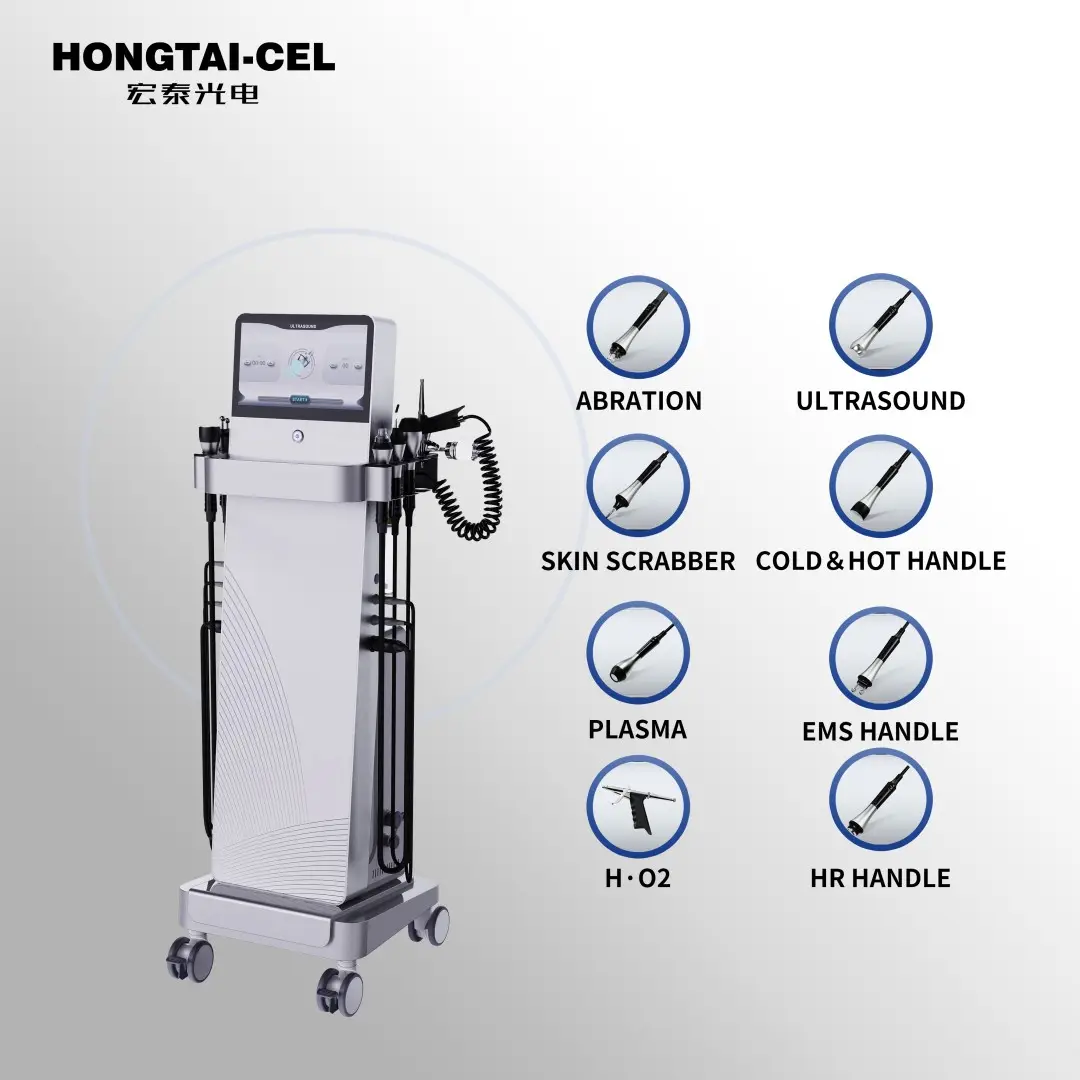
एक फेशियल मशीन का उचित रखरखाव निरंतर प्रदर्शन सुनिश्चित करने, उपकरण के जीवनकाल को बढ़ाने और आपके ग्राहकों के लिए अनुकूलतम परिणाम प्रदान करने के लिए आवश्यक है। पेशेवर सौंदर्य विशेषज्ञ यह समझते हैं कि अच्छी तरह से रखरखाव वाले उपकरण न केवल बेहतर प्रदर्शन करते हैं, बल्कि व्यापार संचालन में अचानक खराबी के जोखिम को भी कम करते हैं। फेशियल मशीन के रखरखाव के लिए एक व्यवस्थित दृष्टिकोण में दैनिक सफाई प्रोटोकॉल, नियमित घटक निरीक्षण और रोकथामात्मक देखभाल उपाय शामिल होते हैं, जो आपके निवेश को शिखर दक्षता पर संचालित रखते हैं।

सुसंगत प्रदर्शन बनाए रखने के लिए आपकी फेशियल मशीन के विशिष्ट घटकों और उनकी व्यक्तिगत रखरखाव आवश्यकताओं को समझना आवश्यक है। वैक्यूम प्रणालियों और माइक्रोडर्माब्रेशन घटकों से लेकर एलईडी पैनल्स और विद्युत कनेक्शन तक, प्रत्येक घटक को विश्वसनीय रूप से कार्य करने के लिए विशेष ध्यान की आवश्यकता होती है। यह व्यापक रखरखाव दृष्टिकोण सुनिश्चित करता है कि आपकी फेशियल मशीन अपने ग्राहकों द्वारा अपेक्षित चिकित्सीय लाभों को जारी रखे, जबकि आपकी पेशेवर प्रतिष्ठा और उपकरण निवेश की रक्षा भी की जाए।
दैनिक सफाई और कीटाणुशोधन प्रक्रियाएँ
सतह विसंक्रमण प्रोटोकॉल
एक व्यापक दैनिक सफाई दिशानिर्देश की स्थापना करना चेहरे की मशीन के रखरखाव की नींव है। किसी भी सफाई प्रक्रिया से पहले अपनी चेहरे की मशीन को पूरी तरह से बंद कर दें और इसे विद्युत स्रोतों से डिस्कनेक्ट कर दें। अपने उपकरण के सामग्री के साथ संगत अस्पताल-ग्रेड के कीटाणुशोधक का उपयोग करें, और उन कठोर रसायनों से बचें जो संवेदनशील सतहों या इलेक्ट्रॉनिक घटकों को क्षति पहुँचा सकते हैं। विशेष ध्यान उन क्षेत्रों पर दें जो सीधे ग्राहक संपर्क में आते हैं, जिनमें हैंडपीस, उपचार हेड और नियंत्रण सतहें शामिल हैं।
एक व्यवस्थित सफाई चेकलिस्ट तैयार करें जो सभी बाह्य सतहों को कवर करे, ताकि दैनिक रखरखाव के दौरान कोई भी क्षेत्र छूट न जाए। ध्यान विशेष रूप से उन दरारों, जोड़ों और बनावट वाली सतहों पर दें, जहाँ कचरा और बैक्टीरिया जमा हो सकते हैं। अपनी सफाई प्रक्रियाओं का लेखा-जोखा रखें ताकि सुसंगत मानक बनाए रखे जा सकें और सुनिश्चित किया जा सके कि सभी कर्मचारी चेहरे की मशीन का उपयोग करते समय समान प्रोटोकॉल का पालन करें।
घटक-विशिष्ट सफाई आवश्यकताएँ
आपकी फेशियल मशीन के विभिन्न घटकों को इष्टतम कार्यक्षमता बनाए रखने के लिए विशिष्ट सफाई विधियों की आवश्यकता होती है। वैक्यूम प्रणालियों के लिए नियमित फ़िल्टर प्रतिस्थापन और सक्शन पथ की सफाई की आवश्यकता होती है, ताकि प्रदर्शन को कम करने वाले अवरोधों को रोका जा सके। माइक्रोडर्माब्रेशन घटकों को प्रभावी एक्सफोलिएशन क्षमता बनाए रखने के लिए क्रिस्टल या डायमंड टिप की गहन सफाई की आवश्यकता होती है। हमेशा अपने निर्माता के दिशानिर्देशों को देखें जिसमें आपके फेशियल मशीन मॉडल के लिए अनुमोदित सफाई समाधानों और विधियों का उल्लेख किया गया हो।
अलग-अलग डिटैचेबल घटकों को हटाकर अलग से साफ़ करें, जिससे अधिक गहन कीटाणुरहित करने और निरीक्षण करने की सुविधा होती है। यह दृष्टिकोण आपको संभावित घिसावट या क्षति को शुरुआत में ही पहचानने में सक्षम बनाता है, जिससे छोटी समस्याएँ आपकी फेशियल मशीन के प्रदर्शन को समाप्त करने वाली बड़ी समस्याओं में परिवर्तित होने से रोका जा सकता है। एक बार के उपयोग के लिए डिज़ाइन किए गए फ़िल्टर और घटकों को दृश्यमान घटने का इंतज़ार किए बिना निर्माता की सिफारिशों के अनुसार प्रतिस्थापित करें।
नियमित घटक निरीक्षण और परीक्षण
यांत्रिक प्रणाली मूल्यांकन
आपकी फेशियल मशीन के प्रदर्शन को प्रभावित करने से पहले संभावित समस्याओं की पहचान करने के लिए यांत्रिक घटकों का साप्ताहिक निरीक्षण करें। वैक्यूम प्रणाली की जाँच करें कि क्या उचित सक्शन स्तर है, असामान्य ध्वनियाँ या कंपन हैं जो घिसे हुए घटकों या अवरोधों का संकेत दे सकते हैं। सभी गतिशील भागों की जाँच करें कि क्या वे चिकनी गति से काम कर रहे हैं और उचित संरेखण में हैं; किसी भी अनियमितता को तुरंत दूर करें ताकि आगे के क्षति से बचा जा सके।
दबाव गेज, प्रवाह मीटर और अन्य नैदानिक संकेतकों की निगरानी करें जो आपकी फेशियल मशीन के आंतरिक कार्य के बारे में जानकारी प्रदान करते हैं। जब आपका उपकरण नया हो, तो आधारभूत मापनों का लेखा-जोखा रखें, फिर नियमित निरीक्षण के दौरान इन मापनों की तुलना करें ताकि प्रदर्शन के प्रवृत्तियों को ट्रैक किया जा सके। यह पूर्वकर्मी दृष्टिकोण आपको आपातकालीन मरम्मत के बजाय सुविधाजनक समय पर रखरखाव की योजना बनाने की अनुमति देता है।
विद्युत प्रणाली सत्यापन
विद्युत घटकों का सावधानीपूर्ण निरीक्षण करने की आवश्यकता होती है ताकि आपकी फेशियल मशीन का सुरक्षित और स्थिर संचालन सुनिश्चित किया जा सके। सभी बिजली कनेक्शन की जाँच करें कि वे ठीक से लगाए गए हैं और उनमें कोई क्षरण, संक्षारण या अत्यधिक गर्म होने के लक्षण नहीं हैं। बिजली के केबल्स की जाँच करें कि उनमें कोई क्षति, मोड़ या खुली हुई वायरिंग तो नहीं है, जो सुरक्षा जोखिम या प्रदर्शन संबंधी समस्याएँ पैदा कर सकती हैं। सभी नियंत्रण कार्यों का प्रणालीगत परीक्षण करें ताकि उनकी उचित प्रतिक्रिया और कैलिब्रेशन की पुष्टि की जा सके।
एलईडी पैनलों और प्रदर्शन स्क्रीन्स की निगरानी करें कि उनकी चमक, रंग सटीकता और पिक्सेल कार्यक्षमता स्थिर है या नहीं। ये घटक अक्सर विद्युत प्रणाली के क्षरण के प्रारंभिक संकेत देते हैं, जो आपकी फेशियल मशीन के समग्र प्रदर्शन को प्रभावित कर सकते हैं। विद्युत समस्याओं का तुरंत समाधान योग्य तकनीशियनों के साथ कराएँ, क्योंकि अधिकृत न होने वाली मरम्मत करने का प्रयास वारंटी रद्द कर सकता है और सुरक्षा जोखिम भी पैदा कर सकता है।
अग्रिम रखरखाव शेड्यूलिंग
मासिक गहन रखरखाव कार्य
मासिक गहन रखरखाव प्रक्रियाओं को लागू करें जो दैनिक सफाई से आगे बढ़कर आंतरिक प्रणाली के स्वास्थ्य को संबोधित करती हैं। इसमें सटीक मापन और सुसंगत उपचार वितरण सुनिश्चित करने के लिए सेंसर और नियंत्रणों का कैलिब्रेशन शामिल है। पेशेवर फेस मशीन कैलिब्रेशन उपचार की सुसंगतता को बनाए रखता है और प्रणाली पैरामीटर में विचलन की पहचान करने में सहायता करता है, जो ग्राहक परिणामों को प्रभावित कर सकता है।
आंतरिक सफाई प्रक्रियाओं की योजना बनाएं जो दैनिक रखरखाव के दौरान पहुंचे नहीं जाने वाले घटकों तक पहुंच प्रदान करती हैं। इसमें कूलिंग फैन्स की सफाई, आंतरिक फिल्टर की जांच और वायरिंग हार्नेस का निरीक्षण शामिल है ताकि उनकी उचित व्यवस्था और स्थिति सुनिश्चित की जा सके। इलेक्ट्रॉनिक घटकों से धूल के जमाव को हटाने के लिए संपीड़ित वायु का उपयोग करें, लेकिन अत्यधिक दबाव से बचें जो संवेदनशील सर्किट्स को क्षति पहुंचा सकता है।
वार्षिक पेशेवर सेवा
वारंटी कवरेज बनाए रखने और चेहरे की मशीन के अनुकूलतम प्रदर्शन सुनिश्चित करने के लिए वार्षिक पेशेवर सेवा व्यवस्था करें। योग्य तकनीशियन जटिल निदान कर सकते हैं, घिसे हुए घटकों को बदल सकते हैं और आवश्यकता के अनुसार सॉफ़्टवेयर या फर्मवेयर को अपडेट कर सकते हैं। यह पेशेवर रखरखाव अक्सर उन संभावित समस्याओं का पता लगाता है जिन्हें नियमित निरीक्षण में याद किया जा सकता है, जिससे महंगी खराबियों को रोका जा सकता है और मशीन के निरंतर विश्वसनीय संचालन को सुनिश्चित किया जा सकता है।
सभी रखरखाव गतिविधियों, मरम्मत और घटक प्रतिस्थापनों के विवरण को दर्ज करते हुए विस्तृत सेवा रिकॉर्ड बनाए रखें। ये रिकॉर्ड वारंटी दावों, बीमा उद्देश्यों और पुनः विक्रय मूल्य के लिए मूल्यवान साबित होते हैं। इनसे रखरखाव के पैटर्न भी स्थापित किए जा सकते हैं, जो आपकी चेहरे की मशीन के संचालन के लिए भविष्य के देखभाल निर्णयों और बजट योजना के निर्देशन में सहायता कर सकते हैं।
आम लफ्जी समस्याओं का निवारण
प्रदर्शन में कमी की पहचान
प्रदर्शन में कमी के प्रारंभिक लक्षणों को पहचानने से प्रमुख समस्याओं के विकसित होने से पहले त्वरित सुधारात्मक कार्रवाई करना संभव हो जाता है। अपनी फेशियल मशीन के प्रदर्शन में सूक्ष्म परिवर्तनों को पहचानने के लिए उपचार की प्रभावशीलता, ग्राहक प्रतिक्रिया और संचालन पैरामीटर्स की निगरानी करें। कम हुई सक्शन शक्ति, असंगत उपचार वितरण, या असामान्य संचालन ध्वनियाँ अक्सर ऐसी विकसित हो रही समस्याओं का संकेत देती हैं जिनका ध्यान रखने की आवश्यकता होती है।
जब आपकी फेशियल मशीन अपने अनुकूलतम स्थिति में काम कर रही होती है, तो उसके आधारभूत प्रदर्शन मापदंडों को स्थापित करें, और फिर इन मानकों का उपयोग निरंतर प्रदर्शन का मूल्यांकन करने के लिए करें। सामान्य संचालन से किसी भी विचलन को दस्तावेज़ित करें, जिसमें उनकी आवृत्ति, गंभीरता और किए गए किसी भी सुधारात्मक उपाय शामिल हों। यह प्रणालीगत दृष्टिकोण उन पैटर्नों को पहचानने में सहायता करता है जो विशिष्ट रखरखाव की आवश्यकताओं या घटकों के क्षरण का संकेत दे सकते हैं।
व्यवस्थित समस्या समाधान
चेहरे की मशीन के प्रदर्शन संबंधी समस्याओं के निवारण के लिए एक व्यवस्थित दृष्टिकोण विकसित करें, जो सबसे आम और आसानी से सुधारी जा सकने वाली समस्याओं से शुरू होता हो। अधिक जटिल निदान करने से पहले बिजली कनेक्शन, फ़िल्टर की स्थिति और उपभोग्य सामग्री के स्तर जैसे मूलभूत आइटम्स की जाँच करें। यह पद्धतिपूर्ण दृष्टिकोण अक्सर समस्याओं को त्वरित रूप से हल कर देता है, जबकि अनावश्यक विघटन या सेवा कॉल से बचा जाता है।
एक निवारण लॉग बनाए रखें जो सामान्य समस्याओं और उनके समाधानों को दस्तावेज़ित करता हो, जिससे संस्थागत ज्ञान का निर्माण होता है और भविष्य की समस्याओं के लिए प्रतिक्रिया समय में सुधार होता है। तकनीकी सहायता और अधिकृत सेवा प्रदाताओं के संपर्क विवरण शामिल करें, ताकि आवश्यकता पड़ने पर पेशेवर सहायता तक त्वरित पहुँच सुनिश्चित की जा सके। यह तैयारी डाउनटाइम को न्यूनतम करती है और आपके ग्राहकों के लिए सुसंगत सेवा वितरण को बनाए रखती है।
अक्सर पूछे जाने वाले प्रश्न
मेरी चेहरे की मशीन में फ़िल्टर को कितनी बार बदलना चाहिए?
फिल्टर की प्रतिस्थापन आवृत्ति उपयोग की तीव्रता और पर्यावरणीय स्थितियों पर निर्भर करती है, लेकिन अधिकांश फेशियल मशीन फिल्टर्स को नियमित उपयोग के दौरान प्रत्येक 2-4 सप्ताह में प्रतिस्थापित करने की आवश्यकता होती है। उच्च-आयतन वाले क्लिनिकों को अधिक बार-बार प्रतिस्थापन की आवश्यकता हो सकती है, जबकि अवसर पर आधारित उपयोग में प्रतिस्थापन अंतराल बढ़ सकते हैं। फिल्टर की स्थिति का दृश्य रूप से निरीक्षण करें और जब भी रंग परिवर्तन, अवरोध या वायु प्रवाह में कमी दिखाई दे, तुरंत प्रतिस्थापित कर दें—चाहे समय अवधि पूर्ण हुई हो या नहीं।
मेरी फेशियल मशीन को पेशेवर सेवा की आवश्यकता कब होती है?
उपचार की प्रभावशीलता में कमी, असामान्य आवाज़ें, अनियमित प्रदर्शन या ऐसे त्रुटि संदेश दिखाई देने पर, जिनका समाधान सामान्य समस्या निवारण से संभव न हो, पेशेवर सेवा लेना आवश्यक हो जाता है। इसके अलावा, भले ही कोई स्पष्ट समस्या न हो, फिर भी निर्माता की अनुशंसाओं के अनुसार या वार्षिक रूप से पेशेवर सेवा अवश्य करवाएं। यह निवारक उपाय वारंटी कवरेज को बनाए रखता है और छोटी-मोटी समस्याओं को बड़ी समस्याओं में बदलने से रोकता है।
क्या मैं अपनी फेशियल मशीन पर सामान्य घरेलू सफाई एजेंट्स का उपयोग कर सकता हूँ?
चेहरे की मशीन के घटकों पर कभी भी घरेलू सफाई एजेंट का उपयोग न करें, क्योंकि इनमें संवेदनशील सामग्रियों को क्षतिग्रस्त करने वाले या प्रदर्शन को प्रभावित करने वाले अवशेष छोड़ने वाले रसायन हो सकते हैं। केवल निर्माता द्वारा अनुमोदित सफाई विलयन या सौंदर्य उपकरणों के लिए विशेष रूप से डिज़ाइन किए गए चिकित्सा-श्रेणी के कीटाणुनाशकों का उपयोग करें। ये उत्पाद आपके उपकरण की अखंडता या सुरक्षा को समझौते के बिना प्रभावी कीटाणुशोधन सुनिश्चित करते हैं।
मेरी चेहरे की मशीन में निरंतर वैक्यूम सक्शन को कैसे बनाए रखा जाए?
निरंतर वैक्यूम सक्शन को बनाए रखने के लिए नियमित फ़िल्टर प्रतिस्थापन, सक्शन मार्गों की आवधिक सफाई और सील्स तथा कनेक्शन का निरीक्षण आवश्यक है। सक्शन दक्षता को कम करने वाले किसी भी किंक, अवरोध या क्षरण के लिए वैक्यूम होज़ की जाँच करें। वैक्यूम फ़िल्टर को निर्माता के विनिर्देशों के अनुसार साफ़ करें या प्रतिस्थापित करें, और यह सुनिश्चित करें कि सभी कनेक्शन टाइट रहें और वायु रिसाव को रोकने के लिए उचित रूप से सील्ड हों, जो सक्शन शक्ति को कम कर सकता है।