
 EN


Selecting the right intense pulsed light device for multi-skin treatments requires understanding both clinical capabilities and practical suitability across diverse patient populations. An intense pulsed light device operates through broadband light technology that addresses multiple skin concerns simultaneously, from pigmentation and vascular lesions to fine lines and texture irregularities. The primary challenge practitioners face is identifying which intense pulsed light device configuration best matches their patient demographics, treatment goals, and clinic infrastructure without overcommitting to unnecessary features.
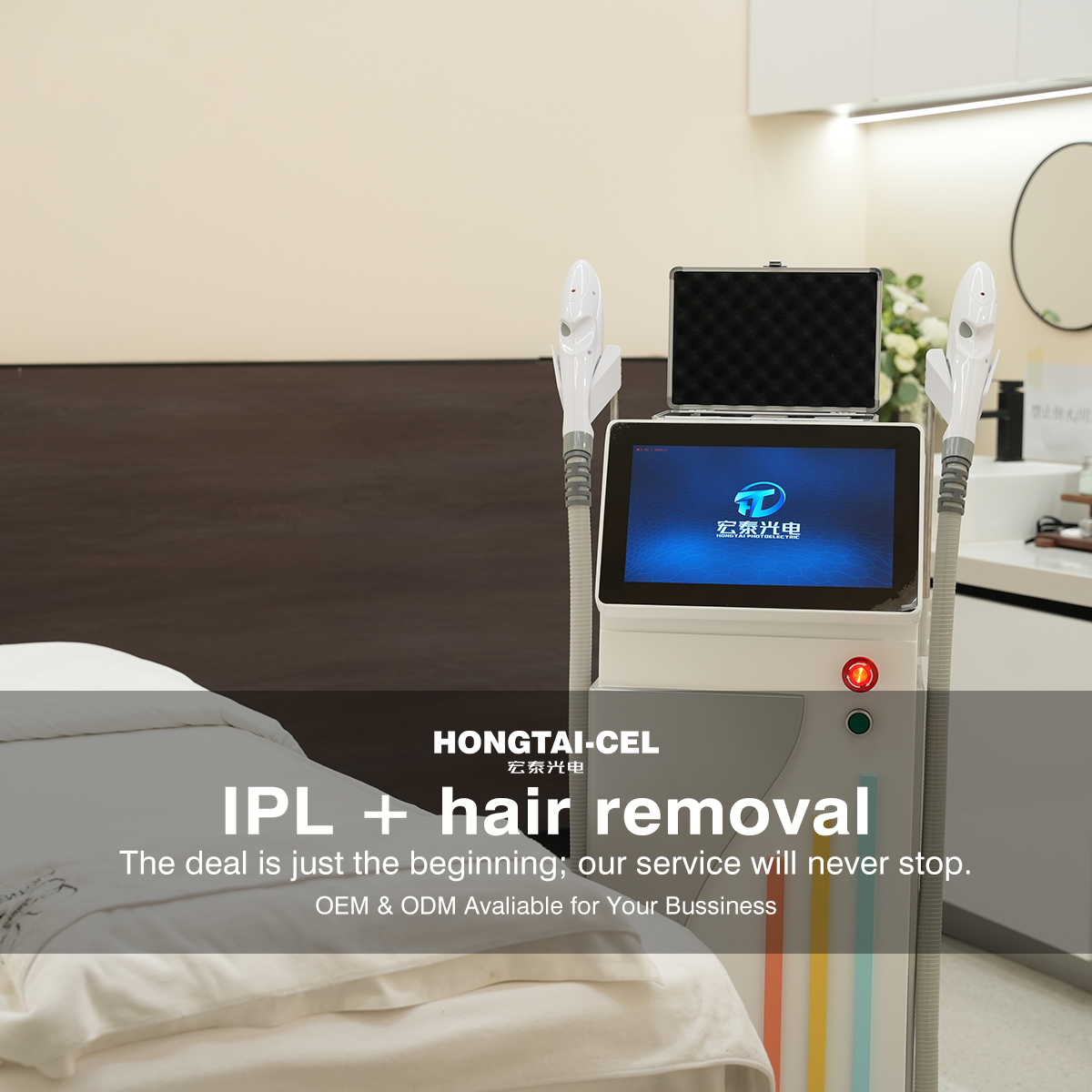
The intense pulsed light device market has expanded significantly as aesthetic practitioners recognize the technology's versatility across skin types and conditions. Unlike single-indication laser systems, an intense pulsed light device integrates adjustable wavelength filtering, pulse duration settings, and cooling mechanisms that enable safe and effective treatment protocols for a spectrum of skin presentations. Understanding which intense pulsed light device aligns with your treatment philosophy and patient base is essential for clinical success and practice profitability.
Core Treatment Capabilities and Skin Compatibility
Multi-Wavelength Flexibility for Diverse Skin Types
An intense pulsed light device delivers energy across a broad spectrum, typically ranging from 500 to 1200 nanometers, allowing selective targeting of different chromophores within the skin. This spectral range enables an intense pulsed light device to address melanin in superficial pigmentation, hemoglobin in vascular lesions, and water in deeper dermal structures with a single platform. The ability to filter wavelengths means one intense pulsed light device can treat patients with Fitzpatrick types I through IV effectively, provided appropriate energy parameters and cooling protocols are implemented.
The flexibility of wavelength selection distinguishes an intense pulsed light device from monochromatic laser systems. By adjusting filters and pulse parameters, practitioners using an intense pulsed light device can customize treatment intensity without purchasing multiple dedicated devices. This adaptability reduces capital investment while expanding clinical scope, making an intense pulsed light device particularly valuable for practices managing mixed patient populations with varying skin tones and treatment priorities.
Clinical Indications and Treatment Scope
An intense pulsed light device addresses photoaging, sun damage, melasma, rosacea, telangiectasia, and post-inflammatory erythema in single treatment sessions. The broadband nature of an intense pulsed light device simultaneously stimulates collagen remodeling, which produces visible skin texture and elasticity improvements beyond chromatic correction. Many practitioners report that an intense pulsed light device delivers results comparable to fractional resurfacing for mild to moderate photodamage while maintaining significantly shorter downtime.
The range of treatable conditions supported by an intense pulsed light device justifies its position as a cornerstone platform in modern aesthetic practices. A single intense pulsed light device can serve as primary treatment for vascular concerns, adjunctive therapy for acne and scarring, and maintenance option for ongoing photoaging management. This clinical versatility ensures that practices investing in an intense pulsed light device achieve strong utilization rates across multiple patient populations and treatment cycles.
Selection Criteria for Practice-Specific Needs
Patient Volume and Treatment Frequency Considerations
High-volume practices benefit from an intense pulsed light device with rapid cooling cycles and large treatment heads that reduce session duration. Practices treating 15 to 25 patients daily require an intense pulsed light device with proven reliability, consistent performance across extended operating hours, and user-friendly interfaces that minimize staff training complexity. An intense pulsed light device selected for high-volume environments should demonstrate stable energy output, predictable pulse characteristics, and minimal maintenance downtime to justify operational efficiency gains.
Boutique practices with lower patient volume but higher treatment complexity may prioritize an intense pulsed light device offering advanced customization, precise pulse shaping, and comprehensive cooling options over raw treatment speed. For these settings, an intense pulsed light device investment should emphasize clinical outcomes and patient safety over throughput metrics. The choice between intense pulsed light device models often reflects whether your practice model emphasizes volume-based efficiency or outcome-based differentiation.
Skin Tone and Diversity Demographics
Practices serving predominantly darker skin types require an intense pulsed light device with enhanced cooling technology, longer pulse durations, and lower fluence ranges to minimize complication risk while maintaining efficacy. An intense pulsed light device designed for multi-ethnic populations incorporates longer wavelength filtering to reduce melanin absorption in the epidermis. Selecting an intense pulsed light device without adequate cooling or wavelength flexibility for your patient demographics significantly increases adverse event rates and liability exposure.
The intense pulsed light device features that matter most depend directly on your patient population composition. Practices with diverse clientele should prioritize an intense pulsed light device offering preset treatment protocols for multiple skin types rather than generic single-setting configurations. This targeted selection ensures your intense pulsed light device investment delivers safe, predictable outcomes across all demographics served by your clinic.
Technical Specifications Influencing Fit and Performance
Energy Delivery and Pulse Architecture
An intense pulsed light device with adjustable pulse width and multi-pulse capability provides superior control over thermal kinetics compared to fixed single-pulse platforms. Shorter pulse durations in an intense pulsed light device minimize collateral thermal damage to surrounding tissue, while longer pulses increase energy penetration for deeper vascular lesions. The best intense pulsed light device for your practice balances maximum efficacy with minimum adverse event risk through precise pulse parameter manipulation.
Fluence range represents another critical specification when evaluating an intense pulsed light device for multi-skin treatment capability. An intense pulsed light device offering fluence adjustment from 10 to 40 joules per square centimeter enables practitioners to titrate energy to individual patient skin characteristics rather than accepting manufacturer presets. This flexibility ensures an intense pulsed light device performs predictably across diverse presentation types without overtreatment or undertreatment risk.
Cooling Technology and Safety Systems
Advanced cooling in an intense pulsed light device protects epidermis while enabling more aggressive dermal targeting. Practices considering an intense pulsed light device should evaluate contact cooling, air cooling, and cryogenic spray options based on comfort preferences and clinical outcomes across skin types. An intense pulsed light device with intelligent temperature monitoring adjusts energy parameters in real time, preventing thermal injury while maintaining treatment consistency throughout extended sessions.
Safety features embedded in an intense pulsed light device architecture differentiate premium systems from entry-level platforms. An intense pulsed light device with automated skin type recognition, integrated energy limitation protocols, and real-time fluence feedback substantially reduces operator error. For practices prioritizing patient safety and reducing liability risk, an intense pulsed light device with comprehensive built-in safety systems justifies premium capital investment.
FAQ
What skin conditions can an intense pulsed light device treat effectively?
An intense pulsed light device treats photoaging, solar lentigines, melasma, rosacea, telangiectasia, post-inflammatory erythema, and mild acne through chromatic and thermal mechanisms. The versatility of an intense pulsed light device enables practitioners to address multiple concerns in single sessions, significantly shortening treatment protocols and improving patient satisfaction. Results typically appear progressively over two to four weeks as collagen remodeling and inflammatory resolution occur.
Is an intense pulsed light device safe for darker skin types?
An intense pulsed light device can safely treat darker skin types when proper wavelength filtering, extended pulse durations, and adequate cooling are implemented. The key is selecting an intense pulsed light device specifically engineered for multi-ethnic applications rather than generic configurations designed for lighter skin. Practitioners must adjust fluence parameters downward and monitor for transient hyperpigmentation, which typically resolves within weeks on an intense pulsed light device appropriately configured for deeper skin tones.
How many intense pulsed light device treatments are typically required for visible results?
Most patients require three to six intense pulsed light device sessions spaced three to four weeks apart for optimal photoaging and pigmentation improvement. The exact intense pulsed light device treatment frequency depends on baseline skin condition severity, fluence delivered, and patient collagen response rates. Maintenance intense pulsed light device sessions performed annually help sustain results and prevent progressive photodamage recurrence.