
 EN


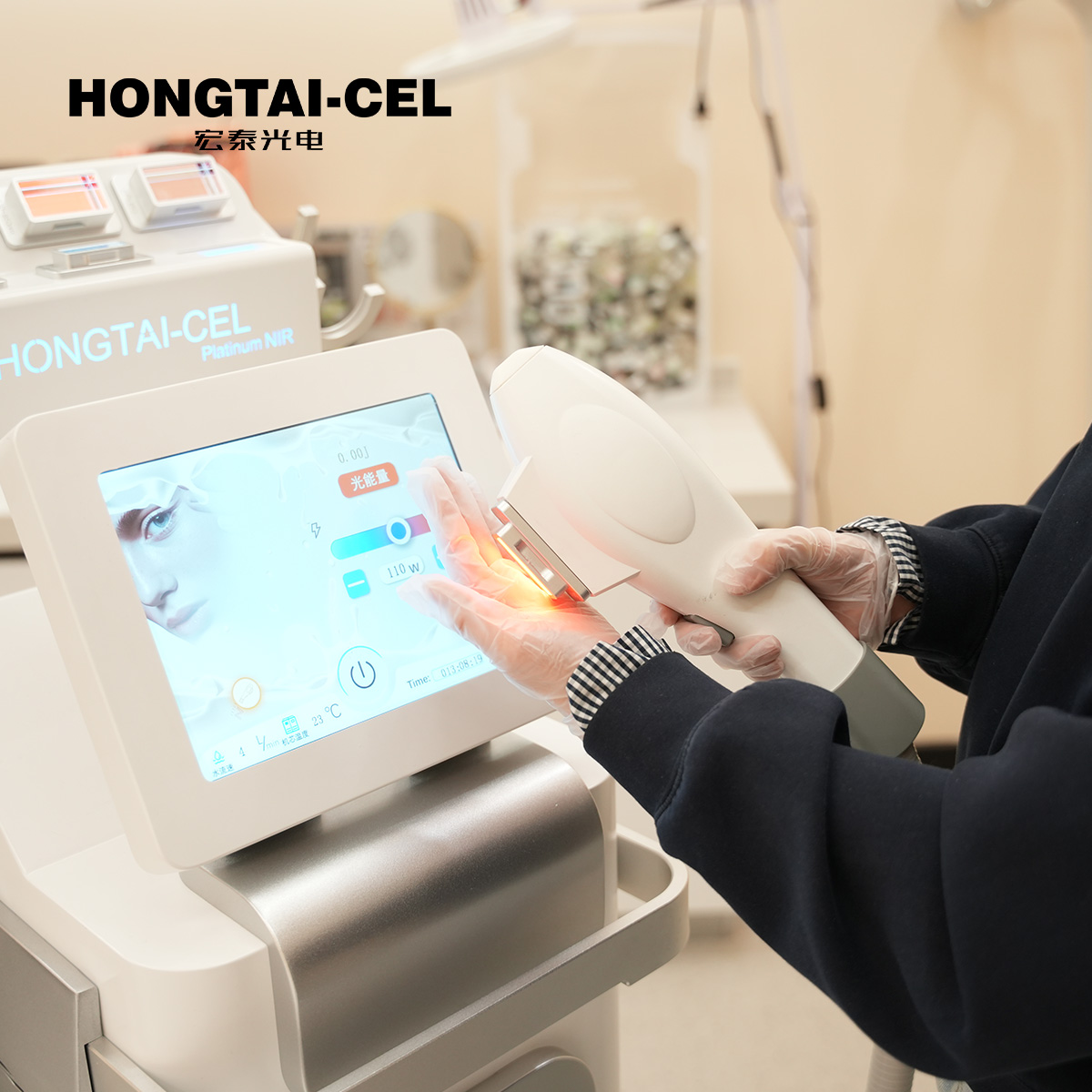
Selecting the right nir red light system for skin therapy requires understanding how wavelengths, power output, and device specifications impact therapeutic outcomes. Many practitioners and individuals struggle to navigate the crowded market of nir red light solutions, leading to ineffective treatments or wasted investment. The difference between a high-quality nir red light system and a mediocre one often determines whether skin therapy delivers visible results or disappoints. This guide walks you through the essential factors to evaluate when choosing a nir red light system tailored to your specific skin therapy goals.
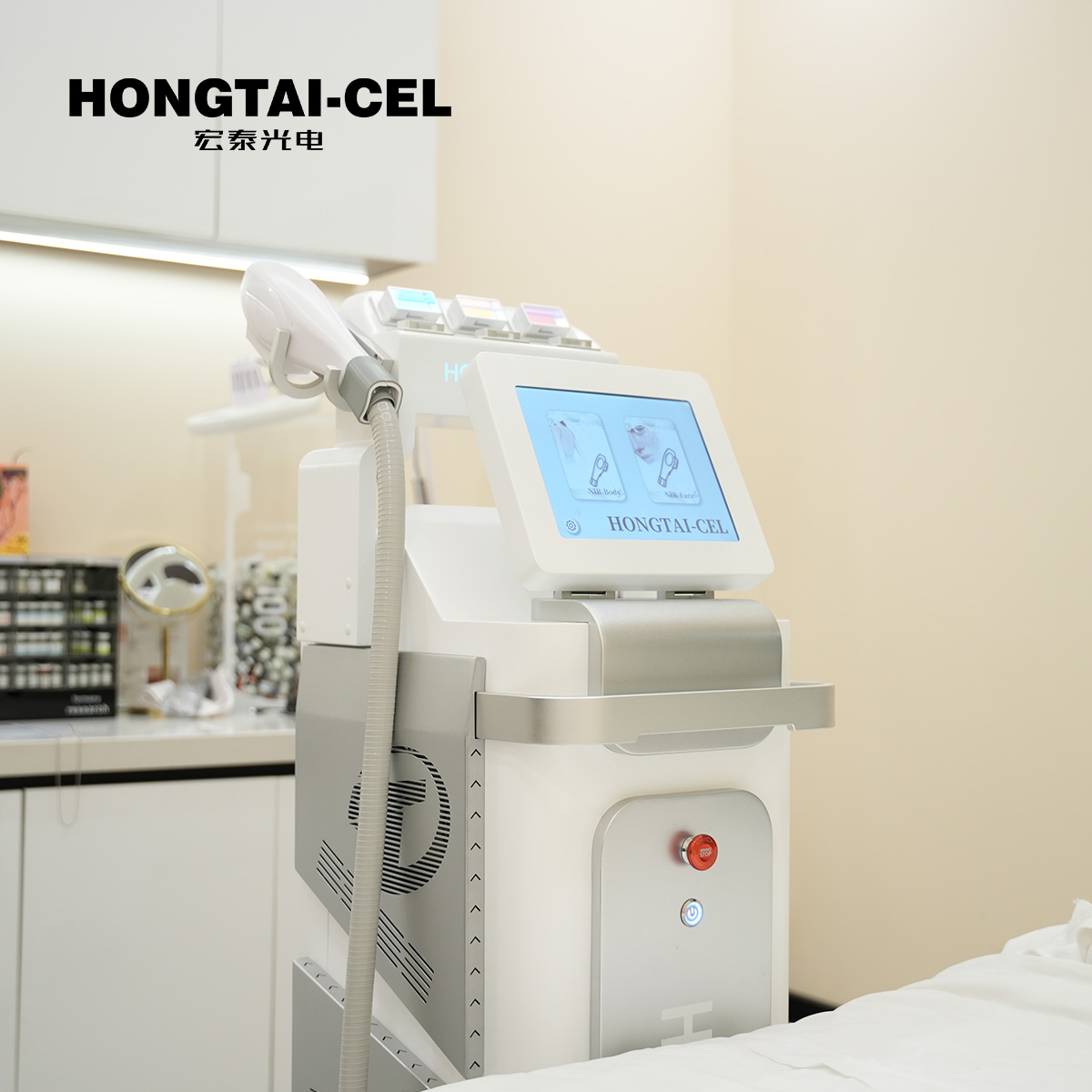
Understanding the fundamentals of nir red light technology is the foundation for making an informed decision. nir red light operates within the near-infrared spectrum, typically between 700 and 1100 nanometers, penetrating deeper into skin layers than visible red light alone. Clinical research demonstrates that nir red light stimulates cellular energy production through mitochondrial activity, promoting collagen synthesis and reducing inflammation. When evaluating any nir red light system, you must consider how these physiological mechanisms translate into practical therapeutic benefits for your intended application.
Understanding Wavelength and Penetration Depth
The Role of Wavelength in Nir Red Light Therapy
Wavelength is the primary determinant of how effectively nir red light penetrates skin tissue and produces therapeutic effects. A quality nir red light system should operate at wavelengths between 800 and 1000 nanometers for optimal skin penetration without excessive heat generation. Different nir red light wavelengths target distinct skin layers and cellular structures, with 850 nanometers being particularly effective for collagen stimulation and 940 nanometers offering enhanced penetration depth. When comparing nir red light devices, always verify that the manufacturer specifies exact wavelength ranges rather than vague claims about 'near-infrared' without technical detail.
Penetration Depth and Therapeutic Range
The penetration depth of nir red light directly influences which skin conditions respond best to treatment. nir red light at optimal wavelengths penetrates approximately 8 to 10 millimeters into skin tissue, reaching the dermis and subcutaneous layers where collagen resides. This deeper penetration distinguishes nir red light from visible red light therapies, making it superior for addressing wrinkles, scars, and deeper structural damage. Professional-grade nir red light systems leverage this penetration advantage, while consumer-grade devices may deliver insufficient intensity to achieve therapeutic depth. Ensure any nir red light system you consider specifies irradiance levels, typically measured in milliwatts per square centimeter, as this directly impacts treatment efficacy.
Evaluating Power Output and Treatment Intensity
Power Density Requirements for Effective Treatment
Power output defines whether a nir red light system delivers clinically meaningful results or merely provides minimal stimulation. An effective nir red light system should provide irradiance between 50 and 200 milliwatts per square centimeter, depending on treatment duration and intended application. Low-powered nir red light devices requiring 30-minute sessions may produce inferior results compared to higher-output systems enabling shorter, more concentrated treatments. Clinical protocols for nir red light therapy typically target energy densities of 4 to 40 joules per square centimeter, which only specialized systems can reliably deliver. Before purchasing, request independent validation that the nir red light system meets these power specifications, as marketing claims often overstate actual output.
Treatment Duration and Session Frequency
The relationship between power output and treatment duration determines practical usability of a nir red light system. A high-output nir red light device requiring only 10 to 15 minutes per session encourages consistent treatment adherence, while underpowered systems demanding 45-minute sessions lead to patient dropout. Effective nir red light protocols typically recommend 2 to 5 sessions per week for visible skin improvements within 4 to 8 weeks. Practitioners should verify that the chosen nir red light system allows flexible adjustment of intensity and duration to accommodate individual skin sensitivity and treatment progression. Higher-quality nir red light systems include programmable settings that enable customized treatment protocols rather than fixed one-size-fits-all approaches.
Critical Safety Features and Regulatory Compliance
Certification and Safety Standards
Regulatory approval and certification distinguish trustworthy nir red light systems from unproven alternatives lacking independent validation. A reputable nir red light system should carry FDA clearance or equivalent regulatory certification from recognized bodies, confirming safety and efficacy testing. ISO 13485 certification for medical device manufacturing indicates that the nir red light system meets international quality and safety standards. Look for third-party laboratory testing reports that validate the nir red light system's claimed wavelengths, power output, and thermal characteristics. Manufacturers unwilling to provide regulatory documentation or test results should be viewed with caution, as legitimate nir red light systems undergo rigorous validation before market release.
Heat Management and User Safety
Effective thermal management ensures that nir red light systems deliver therapeutic benefits without causing skin damage or discomfort. A quality nir red light system incorporates cooling technology or thermal regulation to maintain safe skin surface temperatures even during high-intensity treatment. Some nir red light devices use liquid cooling, contact cooling plates, or airflow systems to manage heat, preventing burns and adverse reactions. The chosen nir red light system should include adjustable intensity settings, allowing users to start conservatively and increase power as skin tolerance improves. Safety features like automatic shutoff timers and temperature sensors further distinguish professional-grade nir red light systems from basic alternatives that risk thermal injury.
Application-Specific Considerations and Clinical Evidence
Skin Condition Targeting and Treatment Outcomes
Different skin conditions require tailored nir red light system specifications to optimize therapeutic response. Acne-prone skin benefits from nir red light systems emphasizing antimicrobial and anti-inflammatory wavelengths, while aging skin responds best to nir red light devices optimizing collagen synthesis through specific wavelength combinations. The most advanced nir red light systems offer dual-wavelength or multi-wavelength configurations, combining 850 nanometers for collagen stimulation with 940 nanometers for deeper penetration. Before investing in a nir red light system, confirm that clinical evidence supports its use for your specific skin concern, as nir red light efficacy varies significantly across applications. Published peer-reviewed studies demonstrate that nir red light produces measurable improvements in skin elasticity, barrier function, and wrinkle depth when systems meet established power and wavelength parameters.
Device Form Factor and Treatment Coverage
The physical design of a nir red light system determines whether it suits your treatment location and lifestyle. Panel-based nir red light systems provide broad coverage for full-face treatment, while handheld nir red light wands target localized areas with precision. Professional clinics typically prefer larger nir red light panels enabling whole-body treatment in 15 to 20 minutes, whereas home users may prioritize compact, portable nir red light devices balancing efficacy with convenience. Wearable nir red light systems, such as face masks or patches, offer hands-free treatment but may deliver lower power densities. Your selection should align nir red light system specifications with your realistic treatment frequency and adherence capacity, as even the best-performing system provides no benefit if rarely used.
FAQ
What wavelength range is most effective for a nir red light system targeting skin aging?
The most effective nir red light systems for skin aging combine wavelengths between 800 and 1000 nanometers, with particular emphasis on 850 nanometers for collagen synthesis and 940 nanometers for penetration depth. Clinical research supports that nir red light systems delivering these specific wavelengths at adequate power densities produce statistically significant improvements in skin elasticity and wrinkle reduction within 8 weeks of consistent treatment. When evaluating nir red light devices marketed for anti-aging benefits, verify that the system specifies exact wavelengths rather than generic 'near-infrared' claims, as precision wavelength matching directly correlates with therapeutic outcomes.
How often should I use a nir red light system to see noticeable skin improvements?
Most clinical protocols recommend using a nir red light system 2 to 5 times per week for visible skin improvements within 4 to 8 weeks of consistent treatment. The optimal frequency depends on the specific nir red light system's power output and your individual skin condition; higher-powered systems may require fewer sessions, while lower-intensity nir red light devices may need more frequent use. Maintaining consistent adherence matters more than exceeding recommended frequency, as skin cells require time between sessions to process therapeutic signals. A quality nir red light system should enable flexible scheduling, allowing you to adjust frequency based on visible progress and skin response.
Are there any contraindications or skin types unsuitable for nir red light therapy?
Most skin types tolerate nir red light therapy well, though certain conditions warrant medical consultation before starting treatment with a nir red light system. Individuals with photosensitivity disorders, active infections, or fever should avoid nir red light treatment until fully recovered, as these conditions may amplify adverse reactions. Darker skin tones respond effectively to nir red light systems, though practitioners should start conservatively with lower intensity settings to assess individual tolerance. Pregnancy does not contraindicate nir red light therapy, but pregnant individuals should consult their healthcare provider before using a nir red light system. Any nir red light system purchased should include safety guidelines addressing specific contraindications relevant to your health profile.