
 EN
EN


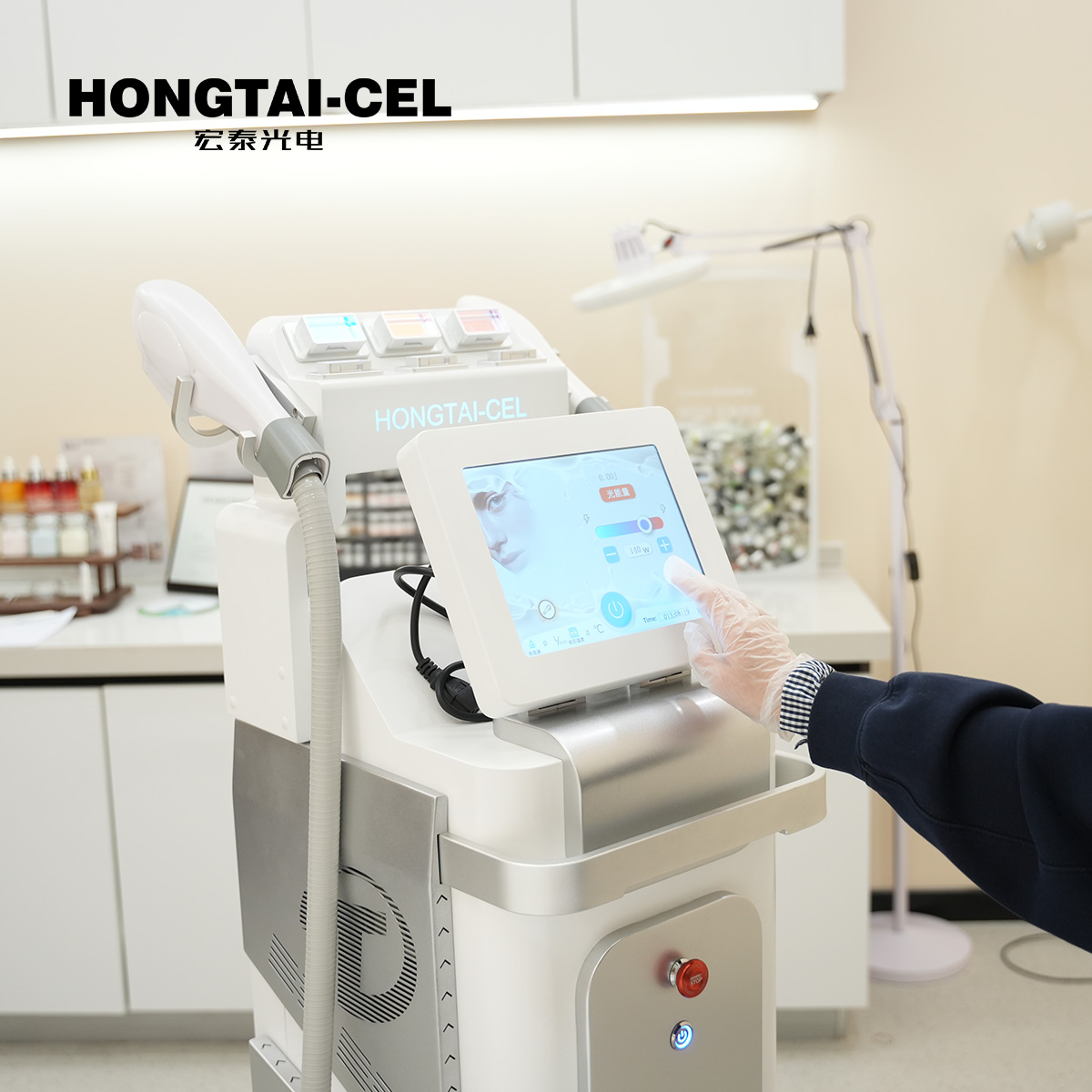
Proper maintenance of your nir red light device is essential for ensuring consistent performance and extending its operational lifespan. Many users invest in nir red light technology without understanding the critical steps needed to keep their equipment functioning optimally. Whether you use your nir red light device for wellness, therapeutic applications, or professional settings, implementing a structured maintenance routine protects your investment and maximizes treatment effectiveness. This guide walks you through practical maintenance strategies that will help your nir red light device deliver reliable results for years to come.
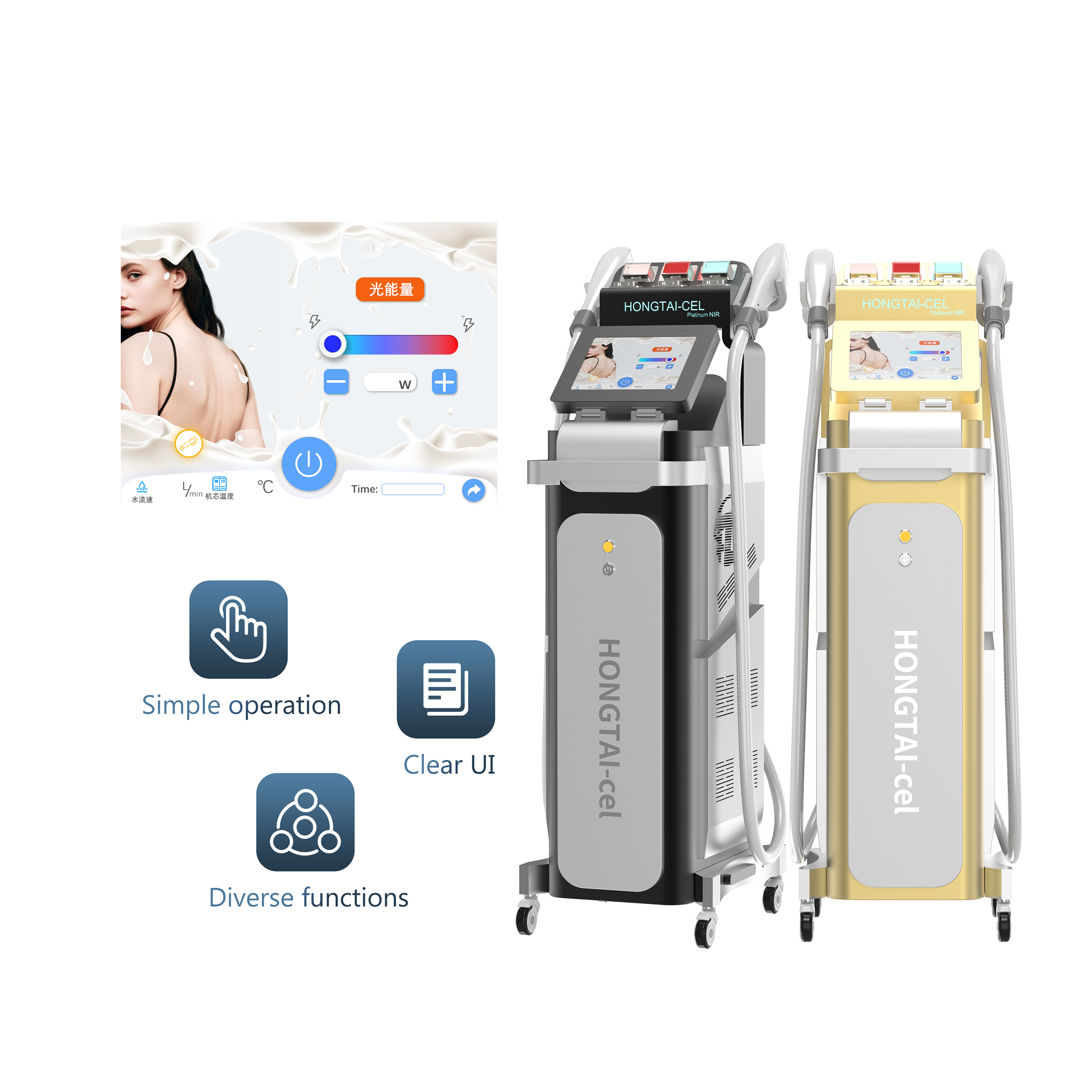
Understanding the specific needs of your nir red light device ensures you avoid common maintenance mistakes that degrade performance over time. Different models may have varying requirements, but fundamental principles apply across most nir red light systems. Regular attention to cleanliness, proper storage conditions, and appropriate usage patterns forms the foundation of effective device upkeep. By following evidence-based maintenance practices, you protect the optical and electronic components that make your nir red light device function as intended.
Regular Cleaning and Optical Care
Lens and Emitter Maintenance for NIR Red Light Devices
The optical surfaces of your nir red light device accumulate dust, skin cells, and environmental particles that interfere with light emission and reduce treatment effectiveness. Cleaning the lens or emitter surface regularly prevents this buildup from compromising the nir red light output quality. Use a soft microfiber cloth slightly dampened with distilled water to gently wipe the optical components. Never use harsh chemicals, abrasive materials, or excessive moisture, as these damage the delicate coating on nir red light emitters. For stubborn residue, a gentle circular motion with minimal pressure removes contamination without scratching the surface.
Internal Component Protection During Cleaning
Before cleaning your nir red light device, always ensure the unit is powered down and completely cool to the touch. Wait at least 15 minutes after use before attempting any cleaning procedure on your nir red light system. This cooling period prevents thermal shock and protects internal electronic components from moisture damage. Keep cleaning materials away from vents, ports, and seams where liquid could enter the nir red light housing. If your device has removable panels or filters, check your user manual for specific instructions on safe disassembly and cleaning of your nir red light equipment. Pay attention to any manufacturer warnings regarding water resistance ratings for your particular nir red light model.
Optimal Storage and Environmental Conditions
Temperature and Humidity Control for Long-Term NIR Red Light Storage
Environmental conditions dramatically affect the lifespan and reliability of your nir red light device when not in active use. Store your nir red light equipment in a climate-controlled environment with temperatures between 50 and 86 degrees Fahrenheit, avoiding extreme heat or cold that stresses electronic components. Humidity levels should remain between 20 and 80 percent relative humidity to prevent corrosion and electrical failures in your nir red light system. Never store your nir red light device in direct sunlight, damp basements, attics with temperature fluctuations, or spaces exposed to chemical fumes or saltwater air. These conditions accelerate degradation of both optical elements and electrical circuitry within your nir red light equipment.
Protective Storage Solutions for Your NIR Red Light Equipment
Investing in proper storage infrastructure extends the operational life of your nir red light device significantly. Store your nir red light in its original protective case or a dedicated padded carrying case that protects against dust, impacts, and accidental pressure. Keep your nir red light device away from other electronics that generate electromagnetic interference or heat output. If storing your nir red light for extended periods exceeding three months, charge the battery to 50 percent capacity before storage to maintain chemical balance within the power cell. Check your nir red light device monthly during extended storage periods, ensuring no environmental changes have occurred in your storage location and that your nir red light battery maintains its charge level.
Usage Guidelines and Performance Optimization
Proper Operating Protocols for NIR Red Light Devices
Correct usage patterns directly influence how well your nir red light device maintains performance over its operational lifespan. Follow the manufacturer's recommended treatment duration and frequency guidelines for your specific nir red light model, as overuse can prematurely degrade emitter elements and deplete batteries faster than normal. Allow adequate cooling intervals between consecutive treatment sessions with your nir red light device, particularly for high-intensity models. Most quality nir red light systems benefit from 15 to 30 minute rest periods between uses to dissipate heat and prevent thermal stress on internal components. Never attempt to use your nir red light device beyond its designated maximum session duration, as this creates excessive heat buildup that damages the optical coatings and electronic circuits within your nir red light equipment.
Battery Maintenance and Electrical Care
Battery health significantly impacts the reliability and longevity of your portable nir red light device. Charge your nir red light using only the manufacturer-supplied or recommended charging adapter, as incompatible power sources can damage the battery management system. Avoid completely depleting your nir red light battery before recharging, as this accelerates wear cycles and reduces overall battery capacity over time. Most modern nir red light devices benefit from a charging routine that maintains battery levels between 20 and 80 percent for optimal longevity. If your nir red light device will remain unused for more than two months, partially charge the battery to 50 percent and store it in a cool location, then check the charge level every two months and top up as needed to maintain this optimal state.
Troubleshooting and Preventive Maintenance Schedules
Identifying Early Performance Decline in Your NIR Red Light Device
Recognizing early warning signs allows you to address issues with your nir red light device before they become serious problems. Diminished brightness intensity suggests that optical surfaces may need cleaning or that emitter elements are beginning to degrade on your nir red light system. If your nir red light device feels excessively warm during normal operation or shuts down unexpectedly, thermal management issues may exist. Irregular light output patterns or flickering indicate potential electrical faults in your nir red light circuitry. Battery that depletes unusually quickly suggests the power cell is reaching end-of-life, requiring replacement to restore your nir red light device to full functionality. Address any of these symptoms promptly by consulting your manufacturer's troubleshooting guide specific to your nir red light model.
Establishing a Preventive Maintenance Schedule
Creating a structured maintenance calendar ensures your nir red light device receives consistent attention at appropriate intervals. Perform basic visual inspection and lens cleaning of your nir red light equipment monthly to identify any obvious damage or contamination. Check cable connections, battery contacts, and power port integrity on your nir red light device quarterly to prevent electrical issues from developing silently. Have your nir red light professionally serviced annually or according to manufacturer recommendations if available in your region. Document all maintenance activities and any performance changes you observe with your nir red light, creating a service history that helps identify recurring issues and informs future troubleshooting decisions regarding your nir red light system.
FAQ
How often should I clean the optical surfaces of my nir red light device?
Clean the optical surfaces of your nir red light device after every 5 to 10 treatment sessions or weekly if used frequently. If you notice visible dust or residue on your nir red light emitter or lens, clean it immediately regardless of the regular schedule. More frequent cleaning improves nir red light output consistency and treatment effectiveness while preventing permanent optical degradation.
Can I use my nir red light device outdoors or in humid environments?
Check your specific nir red light device's water resistance rating before using it in humid or outdoor conditions. Most consumer nir red light devices are not waterproof and should be kept away from direct moisture exposure. Even if your nir red light has some water resistance, excessive humidity environments can eventually damage internal components, so always dry your nir red light thoroughly after any potential moisture exposure.
What should I do if my nir red light device stops working suddenly?
First, ensure your nir red light is fully charged and try again after allowing it to cool for 30 minutes. Check that all connections and ports on your nir red light are clean and free of debris. If your nir red light remains non-functional, consult the manufacturer's troubleshooting guide or contact customer support rather than attempting internal repairs, which could void your warranty on the nir red light equipment.