
 EN


An intense pulsed light device represents a significant investment for aesthetic clinics, medical spas, and dermatology practices. Proper maintenance of your intense pulsed light device is critical to ensuring consistent performance, extended equipment lifespan, and reliable treatment outcomes for your clients. Neglecting maintenance routines can lead to reduced efficacy, unexpected downtime, and costly repairs that disrupt your business operations. Understanding how to care for your intense pulsed light device protects your investment and maintains treatment quality standards.
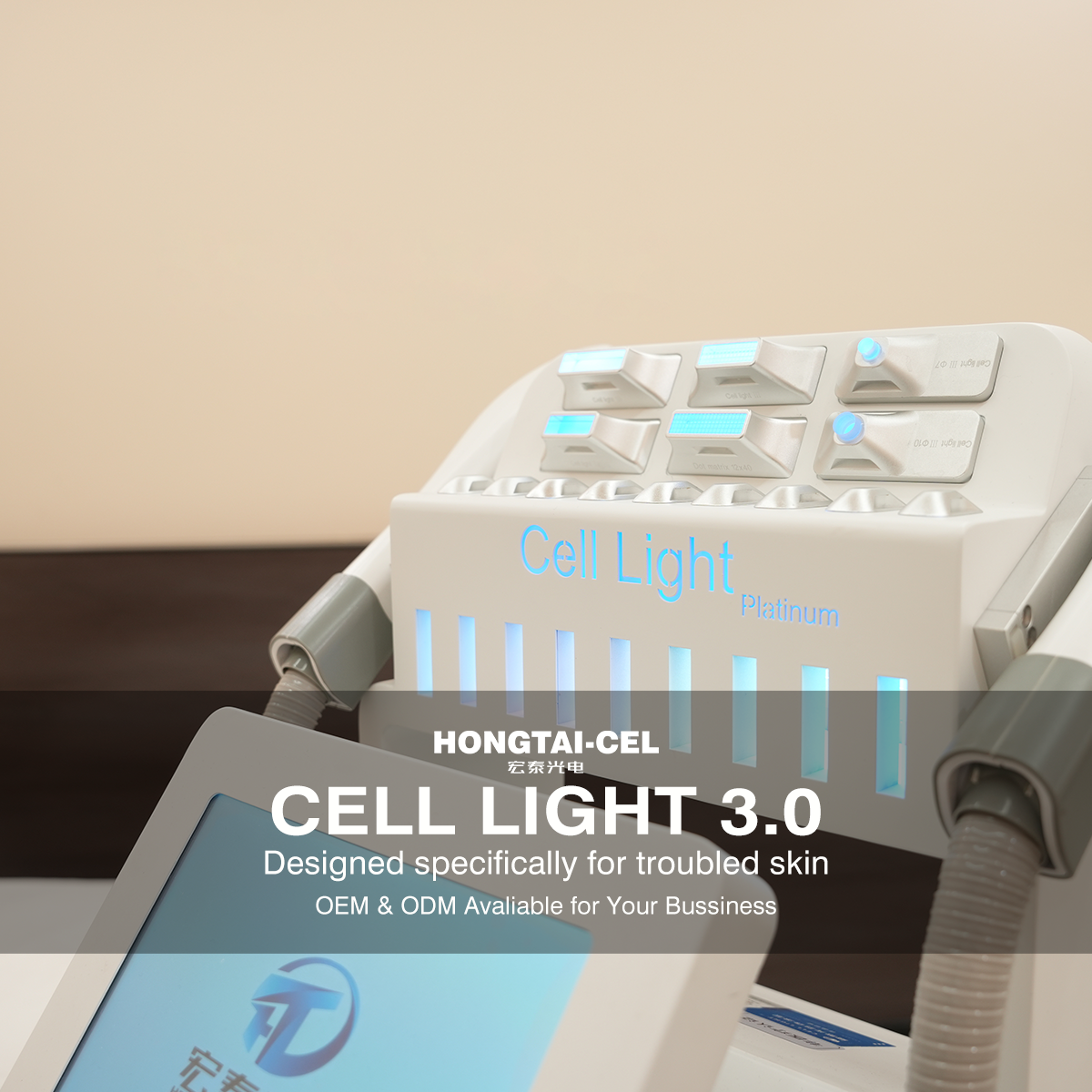
Maintaining an intense pulsed light device involves systematic attention to multiple components, from optical systems to cooling mechanisms and electrical connections. Each part of your intense pulsed light device requires specific care protocols to prevent degradation and ensure stable clinical results. The intensity and precision of your intense pulsed light device depend on proper calibration, regular inspections, and preventive maintenance measures. Clinics that establish structured maintenance schedules for their intense pulsed light device experience fewer technical failures and deliver more consistent patient outcomes.
Daily and Weekly Care Protocols for Your Intense Pulsed Light Device
Cleaning the Optical Surface
The optical window of your intense pulsed light device is the first point of contact between the treatment head and patient skin. Over time, residual skin oils, makeup, and treatment by-products accumulate on the optical surface, reducing the energy transmission efficiency of your intense pulsed light device. After each patient session, wipe the optical surface with a clean microfiber cloth slightly dampened with distilled water or a manufacturer-approved optical cleaner. Allow the intense pulsed light device to cool for five minutes before cleaning to avoid thermal shock to the optical components. Weekly, perform a deeper clean using an isopropyl alcohol solution specifically formulated for optical surfaces to maintain the clarity and performance of your intense pulsed light device.
Inspecting Cooling Systems
The cooling system is essential for maintaining the stable output of your intense pulsed light device during extended treatment sessions. Check the cooling fluid reservoir of your intense pulsed light device weekly to ensure adequate fluid levels and proper color consistency. Most intense pulsed light device systems use specialized cooling solutions that may degrade over time if exposed to air or contamination. Verify that cooling fans operate quietly without grinding or unusual noises, which may indicate bearing wear in your intense pulsed light device. If your intense pulsed light device shows signs of inadequate cooling such as power fluctuations or reduced pulse energy, immediate attention to the cooling subsystem is necessary.
Monthly Maintenance and Component Inspection
Electrical Connection Verification
Monthly inspection of all electrical connections ensures stable power delivery to your intense pulsed light device. Examine power cables, treatment head connections, and foot pedal connectors for signs of corrosion, damage, or loose contacts. Loose connections can cause energy fluctuations that compromise the consistency of your intense pulsed light device output. Gently reseat all connectors and verify that indicator lights on your intense pulsed light device display stable illumination patterns. If your intense pulsed light device exhibits erratic power behavior or intermittent operation, electrical connection issues are among the first diagnostics to investigate.
Lamp and Flash Tube Assessment
The flash tube or xenon lamp inside your intense pulsed light device gradually loses efficiency after thousands of pulses. Manufacturer documentation for your intense pulsed light device specifies the maximum pulse count before replacement, typically ranging from 100,000 to 2 million pulses depending on the model. Monitor the pulse counter on your intense pulsed light device console and schedule replacement before the tube reaches end of life. Aging tubes in your intense pulsed light device produce inconsistent energy output and reduced peak wavelengths, affecting treatment efficacy. Many modern intense pulsed light device systems include diagnostic features that alert operators when tube performance drops below acceptable thresholds.
Quarterly and Annual Service Protocols
Professional Calibration and Performance Testing
Every three months, your intense pulsed light device should undergo calibration testing using specialized measurement equipment to verify output consistency. Energy delivery, pulse width, and wavelength accuracy must remain within manufacturer specifications for your intense pulsed light device to deliver reliable clinical results. Many clinics partner with service technicians who conduct quarterly assessments of their intense pulsed light device performance and make minor adjustments as needed. These regular calibration checks prevent gradual performance drift that goes unnoticed in daily use of your intense pulsed light device. Maintaining detailed calibration records for your intense pulsed light device demonstrates commitment to quality standards and supports regulatory compliance documentation.
Deep System Cleaning and Filter Replacement
Quarterly maintenance intervals are appropriate for replacing air filters in the cooling and power supply sections of your intense pulsed light device. Dust accumulation inside your intense pulsed light device restricts airflow and compromises the cooling efficiency necessary for stable operation. Professional technicians can perform deep internal cleaning of components that are not accessible during routine daily care of your intense pulsed light device. Annual comprehensive service should include replacement of consumable seals, inspection of internal optical alignment, and testing of all safety circuits in your intense pulsed light device. Documenting all service activities for your intense pulsed light device creates a maintenance history that supports equipment value retention and regulatory audits.
Troubleshooting Common Performance Issues
Addressing Energy Output Fluctuations
If your intense pulsed light device exhibits unpredictable energy variations between treatments, multiple factors require investigation. Start by verifying that the cooling system maintains proper temperature, as thermal instability directly affects the output stability of your intense pulsed light device. Check that electrical connections are firmly seated and that power supply indicators appear normal on your intense pulsed light device console. Energy calibration drift can occur if your intense pulsed light device has not been professionally serviced recently. Contact your equipment provider if your intense pulsed light device continues to show output fluctuations after basic troubleshooting, as internal optical misalignment may require professional correction.
Resolving Treatment Head Connection Issues
Treatment head disconnections or intermittent signal loss will prevent your intense pulsed light device from operating safely. Inspect the connector pins on both the treatment head and main console of your intense pulsed light device for corrosion or bent contacts. Gently clean connector pins using a dry brush or compressed air, never using liquids that could cause electrical hazards with your intense pulsed light device. If your intense pulsed light device fails to recognize the treatment head after cleaning, the internal circuitry may require professional diagnostic testing. Maintaining a spare treatment head connection cable can minimize downtime while your primary intense pulsed light device undergoes repairs.
FAQ
How often should I replace the fluid in my intense pulsed light device cooling system?
Most manufacturers recommend replacing the cooling fluid in your intense pulsed light device annually or every 12 months of operation, whichever comes first. However, if you notice discoloration, cloudiness, or reduced cooling performance in your intense pulsed light device, replace the fluid immediately. Check your equipment manual for the specific fluid type and replacement procedure for your intense pulsed light device model. Using non-approved fluids in your intense pulsed light device may void warranties and cause component damage.
What safety precautions should I follow when maintaining my intense pulsed light device?
Always disconnect your intense pulsed light device from the power outlet before attempting any maintenance beyond basic surface cleaning. Allow adequate cooling time after use before opening any access panels on your intense pulsed light device. Never attempt to repair internal optical components on your intense pulsed light device without proper training, as misalignment causes treatment inconsistency and safety risks. Wear protective eyewear when inspecting the lamp chamber of your intense pulsed light device to protect against potential light exposure.
When should I contact the manufacturer for service on my intense pulsed light device?
Contact your intense pulsed light device manufacturer if you encounter persistent energy output inconsistencies despite troubleshooting basic issues. You should also seek professional service if your intense pulsed light device fails safety system self-tests or displays error codes. If your intense pulsed light device shows signs of internal component damage, excessive noise, or burning smells, discontinue use and contact technical support. Many manufacturers offer extended service contracts that cover routine maintenance of your intense pulsed light device and reduce downtime incidents.