
 EN
EN



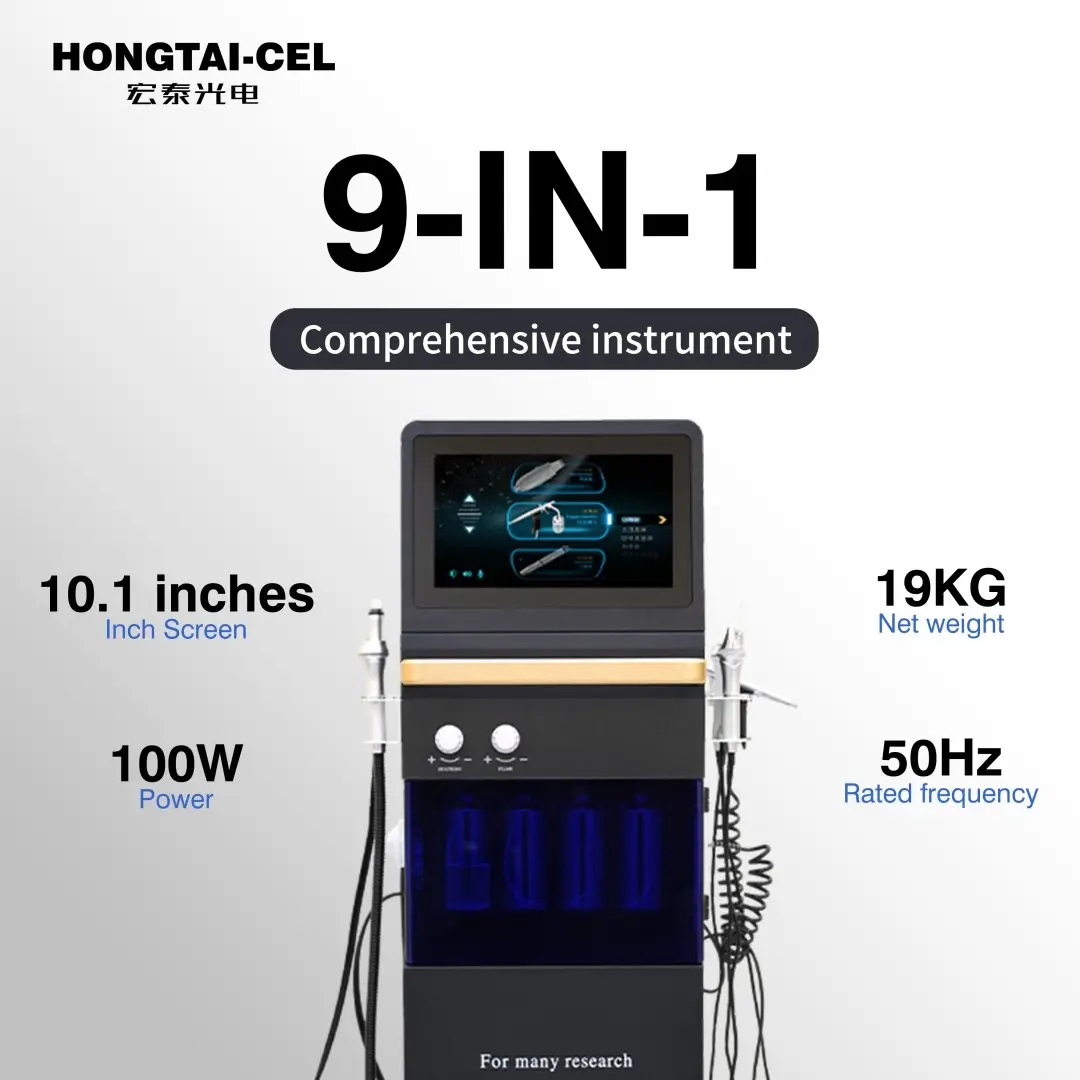
Selecting the right ultrasonic device for deep cleansing services requires careful evaluation of specific technical features, treatment capabilities, and operational considerations that directly impact client outcomes. Professional aestheticians and spa owners must navigate a complex landscape of frequency ranges, power outputs, and multi-functional capabilities when determining which ultrasonic device best serves their deep cleansing treatment protocols.
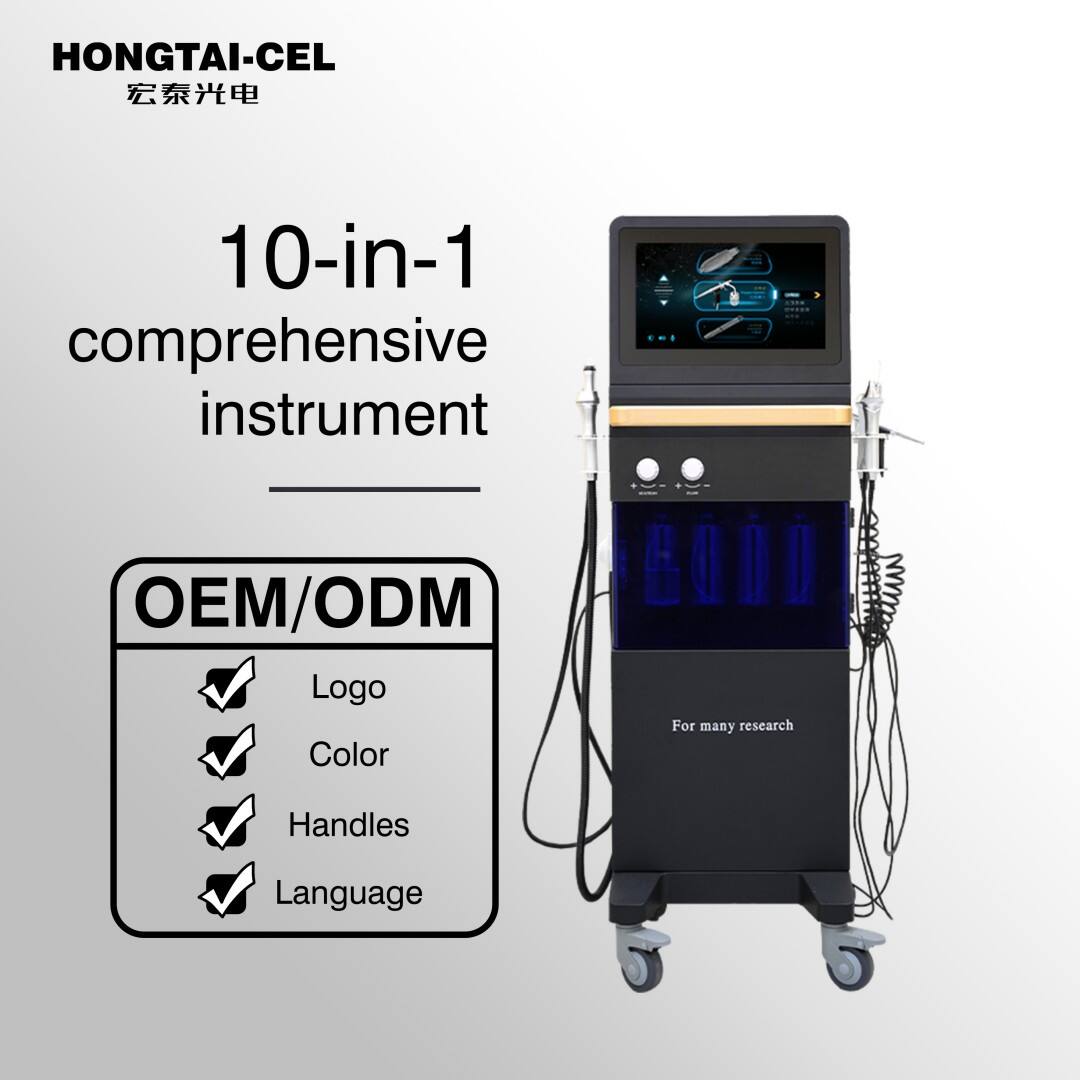
The optimal ultrasonic device choice depends on your specific service menu, client demographics, treatment room constraints, and business growth objectives. Deep cleansing applications demand precise frequency control, consistent energy delivery, and reliable performance across diverse skin types and conditions. Understanding these selection criteria ensures your investment delivers both immediate treatment effectiveness and long-term operational value for your professional practice.
Frequency Range and Power Output Considerations
Optimal Frequency Selection for Deep Cleansing
The frequency range of an ultrasonic device fundamentally determines its penetration depth and treatment effectiveness for deep cleansing applications. Professional-grade units typically operate between 1 MHz and 3 MHz, with each frequency range serving distinct cleansing purposes. Lower frequencies around 1 MHz penetrate deeper into skin layers, making them ideal for addressing embedded impurities and stimulating cellular renewal processes.
Higher frequencies near 3 MHz focus energy closer to the surface, providing intensive cleansing action for superficial debris, makeup residue, and surface-level congestion. The most versatile ultrasonic device options offer adjustable frequency settings, allowing practitioners to customize treatment depth based on individual client needs and specific cleansing objectives within a single session.
Modern ultrasonic device systems incorporate intelligent frequency modulation that automatically adjusts energy delivery based on skin impedance and treatment area characteristics. This adaptive technology ensures consistent cleansing results while minimizing the risk of over-treatment or skin irritation during intensive deep cleansing protocols.
Power Output Requirements for Professional Applications
Power output specifications directly influence the intensity and effectiveness of ultrasonic cleansing treatments, requiring careful consideration of your target client base and treatment objectives. Professional ultrasonic device units typically deliver between 0.5 watts per square centimeter and 2.0 watts per square centimeter, with higher power levels enabling more aggressive deep cleansing protocols for challenging skin conditions.
Adjustable power control features allow practitioners to tailor treatment intensity based on skin sensitivity, tolerance levels, and specific cleansing requirements. This flexibility proves essential when working with diverse client populations, from sensitive skin types requiring gentle cleansing approaches to congested or acne-prone skin demanding more intensive intervention strategies.
Safety considerations mandate that any professional ultrasonic device includes automatic power regulation and thermal protection systems to prevent overheating or excessive energy delivery. These protective features ensure consistent treatment safety while maintaining optimal cleansing effectiveness across extended treatment sessions and high-volume service schedules.
Multi-Functional Capabilities and Treatment Integration
Combined Technology Platforms
Contemporary ultrasonic device systems increasingly integrate multiple technologies within single platforms, offering comprehensive solutions for advanced deep cleansing services. These multi-functional units combine ultrasonic cleansing with complementary modalities such as microdermabrasion, LED therapy, oxygen infusion, and radiofrequency treatments, creating synergistic effects that enhance overall treatment outcomes.
The integration of hydra-dermabrasion capabilities with ultrasonic technology enables simultaneous exfoliation and deep cleansing, maximizing treatment efficiency while reducing session duration. This combination approach allows practitioners to address multiple skin concerns within unified treatment protocols, increasing service value and client satisfaction rates.
Advanced ultrasonic device platforms feature programmable treatment sequences that automatically coordinate different modalities based on predetermined protocols. This automation ensures consistent treatment delivery while allowing practitioners to focus on client consultation and comfort rather than manual device operation and timing coordination.
Customizable Treatment Protocols
Professional ultrasonic device selection should prioritize systems offering extensive customization options for treatment parameter adjustment and protocol development. Programmable memory functions allow practitioners to store multiple treatment profiles for different client types, skin conditions, and cleansing objectives, ensuring reproducible results across multiple sessions.
Real-time parameter monitoring and adjustment capabilities enable practitioners to modify treatment intensity, duration, and energy delivery patterns during active sessions based on client response and comfort levels. This dynamic control ensures optimal treatment outcomes while maintaining safety and client satisfaction throughout the deep cleansing process.
Documentation and tracking features integrated into modern ultrasonic device systems provide valuable data for treatment optimization and client progress monitoring. These analytical capabilities support evidence-based protocol refinement and demonstrate treatment value to clients through objective progress measurements and skin improvement documentation.
Ergonomic Design and Operational Efficiency
Handpiece Design and Practitioner Comfort
The physical design and ergonomic characteristics of ultrasonic device handpieces significantly impact practitioner comfort and treatment precision during extended service sessions. Professional-grade handpieces should feature balanced weight distribution, comfortable grip surfaces, and intuitive control placement to minimize hand fatigue and maintain treatment accuracy throughout busy service schedules.
Interchangeable treatment tips and applicators expand the versatility of a single ultrasonic device platform, allowing practitioners to address diverse cleansing requirements without investing in multiple separate systems. Specialized tips for different treatment areas, skin types, and cleansing intensities ensure optimal results while maximizing equipment utilization and return on investment.
Wireless handpiece options eliminate cord-related restrictions and improve treatment room mobility, enhancing both practitioner ease of use and client comfort during positioning and treatment delivery. Advanced ultrasonic device systems incorporate rechargeable handpiece technology with extended battery life to support full-day operation without interruption or performance degradation.
Treatment Room Integration and Setup Requirements
Space efficiency and installation requirements represent critical considerations when selecting an ultrasonic device for professional deep cleansing services. Compact, mobile units offer flexibility for multi-room operation or limited space environments, while larger console systems provide enhanced capabilities and professional presentation for dedicated treatment rooms.
Power requirements, ventilation needs, and electrical specifications must align with existing treatment room infrastructure to ensure safe and reliable ultrasonic device operation. Professional installation and setup services often prove valuable for complex systems requiring specific environmental conditions or specialized mounting configurations.
Integration with existing practice management software and client record systems enhances operational efficiency and treatment documentation capabilities. Modern ultrasonic device platforms offer connectivity options that support automated treatment logging, client progress tracking, and inventory management for related products and supplies.
Safety Features and Regulatory Compliance
Built-in Safety Mechanisms
Professional ultrasonic device selection must prioritize comprehensive safety features that protect both clients and practitioners during deep cleansing treatments. Automatic shut-off mechanisms prevent overheating and excessive energy delivery, while real-time skin temperature monitoring ensures treatment parameters remain within safe therapeutic ranges throughout the session.
Impedance feedback systems continuously monitor skin contact and adjust energy delivery accordingly, preventing hot spots or uneven treatment distribution that could cause discomfort or skin damage. These intelligent monitoring capabilities ensure consistent treatment safety across diverse skin types and conditions encountered in professional practice.
Emergency stop functions and manual override controls provide immediate treatment cessation options in case of unexpected client reactions or equipment malfunctions. Professional ultrasonic device systems include comprehensive safety interlocks that prevent operation outside predetermined parameter ranges, ensuring adherent operation within established treatment protocols.
Certification and Compliance Standards
Regulatory compliance and professional certification requirements vary significantly across different markets and jurisdictions, making it essential to verify that any ultrasonic device meets applicable standards for your practice location. FDA clearance, CE marking, and other relevant certifications demonstrate manufacturer commitment to safety and efficacy standards required for professional aesthetic applications.
Documentation and training requirements associated with professional ultrasonic device operation often mandate specific certification programs for practitioners and staff members. Manufacturer-provided training programs, operational manuals, and continuing education resources support compliant operation and optimal treatment outcomes while minimizing liability risks.
Insurance and liability considerations may require specific ultrasonic device certifications or safety features to maintain professional coverage and protect against potential claims. Consultation with insurance providers and legal advisors helps ensure that equipment selection aligns with professional protection requirements and industry best practices.
Cost-Effectiveness and Return on Investment
Initial Investment and Financing Options
The financial investment required for professional ultrasonic device acquisition varies significantly based on technology sophistication, multi-functional capabilities, and manufacturer reputation. Entry-level professional units typically range from several thousand to mid-range investments, while advanced multi-platform systems require substantial capital commitments that must be evaluated against projected service revenue and client demand.
Financing and lease options provided by manufacturers and third-party providers can improve cash flow management while enabling access to higher-capability ultrasonic device systems. These arrangements often include maintenance packages, training programs, and upgrade pathways that support long-term equipment utilization and practice growth objectives.
Total cost of ownership calculations should include consumable supplies, maintenance requirements, training expenses, and potential upgrade costs over the expected equipment lifespan. Comprehensive financial analysis ensures that ultrasonic device selection aligns with business objectives and provides sustainable profitability throughout the investment period.
Revenue Generation and Service Pricing
Professional ultrasonic device capabilities directly influence service pricing structures and revenue potential for deep cleansing treatments. Multi-functional platforms enable premium service offerings that justify higher pricing while providing comprehensive skin care solutions that increase client retention and referral rates.
Treatment efficiency improvements achieved through advanced ultrasonic device technology can increase daily client capacity while maintaining service quality, improving overall practice profitability. Automated features and programmable protocols reduce treatment time requirements while ensuring consistent results across all practitioners and service sessions.
Marketing and positioning advantages associated with advanced ultrasonic device technology can differentiate your practice from competitors and attract clients seeking cutting-edge aesthetic treatments. Professional certification and manufacturer partnerships often provide marketing support and credibility enhancement that supports premium service positioning and pricing strategies.
FAQ
What frequency range is most effective for deep cleansing with an ultrasonic device?
The most effective frequency range for deep cleansing applications typically falls between 1 MHz and 3 MHz, with 1 MHz providing deeper penetration for embedded impurities and 3 MHz focusing on surface-level cleansing. Professional ultrasonic device systems with adjustable frequency settings offer the greatest versatility, allowing practitioners to customize treatment depth based on individual client needs and specific skin conditions.
How do I determine the appropriate power output for my ultrasonic device?
Appropriate power output for professional ultrasonic device applications ranges from 0.5 to 2.0 watts per square centimeter, depending on your target client base and treatment objectives. Consider your typical client skin sensitivity levels, the intensity of cleansing treatments you plan to offer, and the need for adjustable power control to accommodate diverse skin types within your practice.
What safety features should I prioritize when selecting an ultrasonic device?
Essential safety features for professional ultrasonic device selection include automatic shut-off mechanisms, real-time temperature monitoring, impedance feedback systems, and emergency stop controls. Additionally, ensure your chosen device includes comprehensive regulatory certifications such as FDA clearance or CE marking, along with built-in safety interlocks that prevent operation outside safe parameter ranges.
Can a single ultrasonic device handle all my deep cleansing service requirements?
Modern multi-functional ultrasonic device platforms can address most deep cleansing service requirements through integrated technologies and customizable treatment protocols. However, the specific capabilities you need depend on your service menu diversity, client demographics, and treatment objectives. Evaluate whether features like adjustable frequency, variable power output, and interchangeable treatment tips meet your comprehensive service requirements.
Table of Contents
- Frequency Range and Power Output Considerations
- Multi-Functional Capabilities and Treatment Integration
- Ergonomic Design and Operational Efficiency
- Safety Features and Regulatory Compliance
- Cost-Effectiveness and Return on Investment
-
FAQ
- What frequency range is most effective for deep cleansing with an ultrasonic device?
- How do I determine the appropriate power output for my ultrasonic device?
- What safety features should I prioritize when selecting an ultrasonic device?
- Can a single ultrasonic device handle all my deep cleansing service requirements?