
 EN
EN



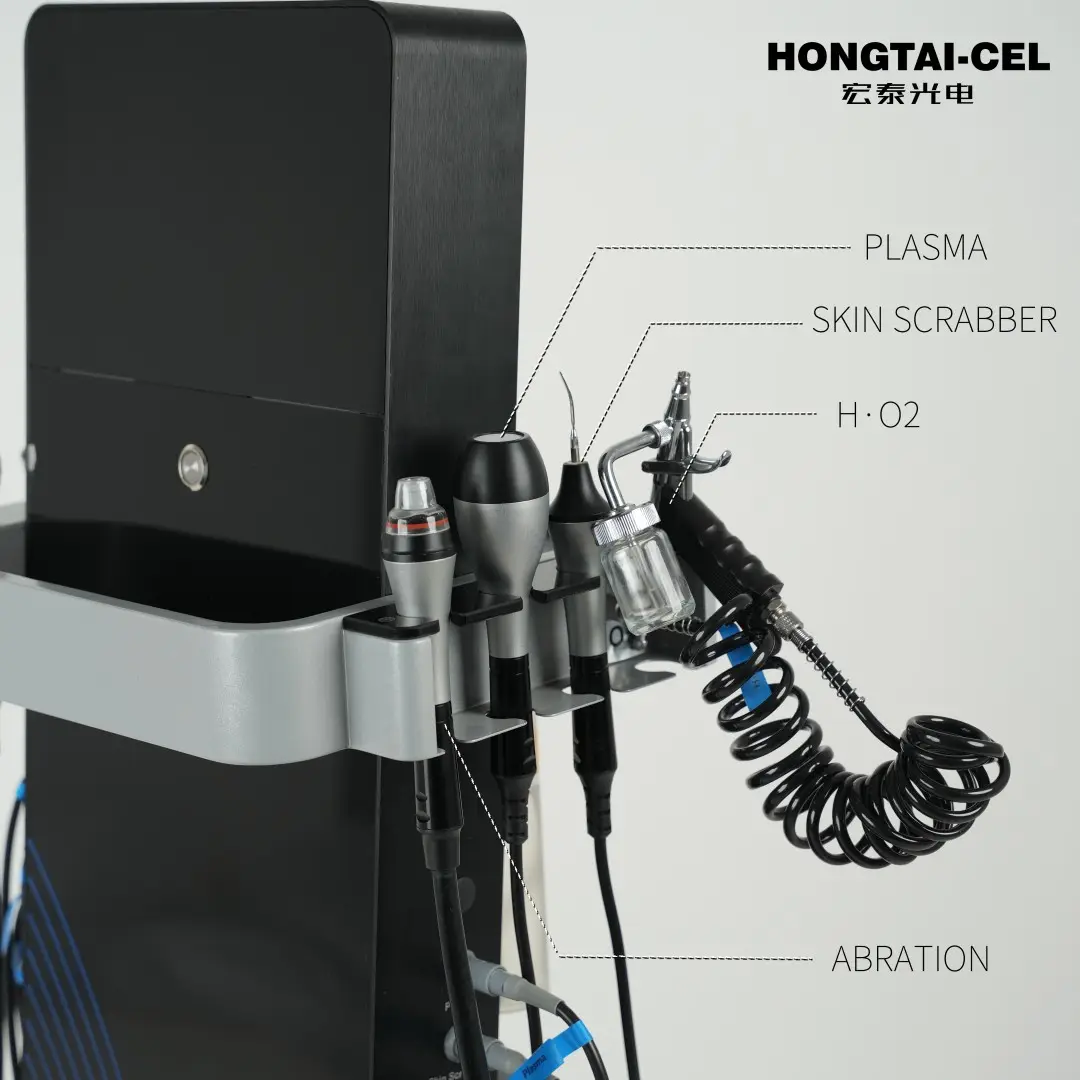
Selecting the right facial machine for professional beauty services requires careful consideration of multiple factors that directly impact treatment effectiveness and client satisfaction. Professional aestheticians and spa owners must evaluate equipment based on versatility, treatment depth, client comfort, and long-term business value. The ideal facial machine combines advanced technology with practical functionality to deliver consistent results across diverse client needs and skin conditions.
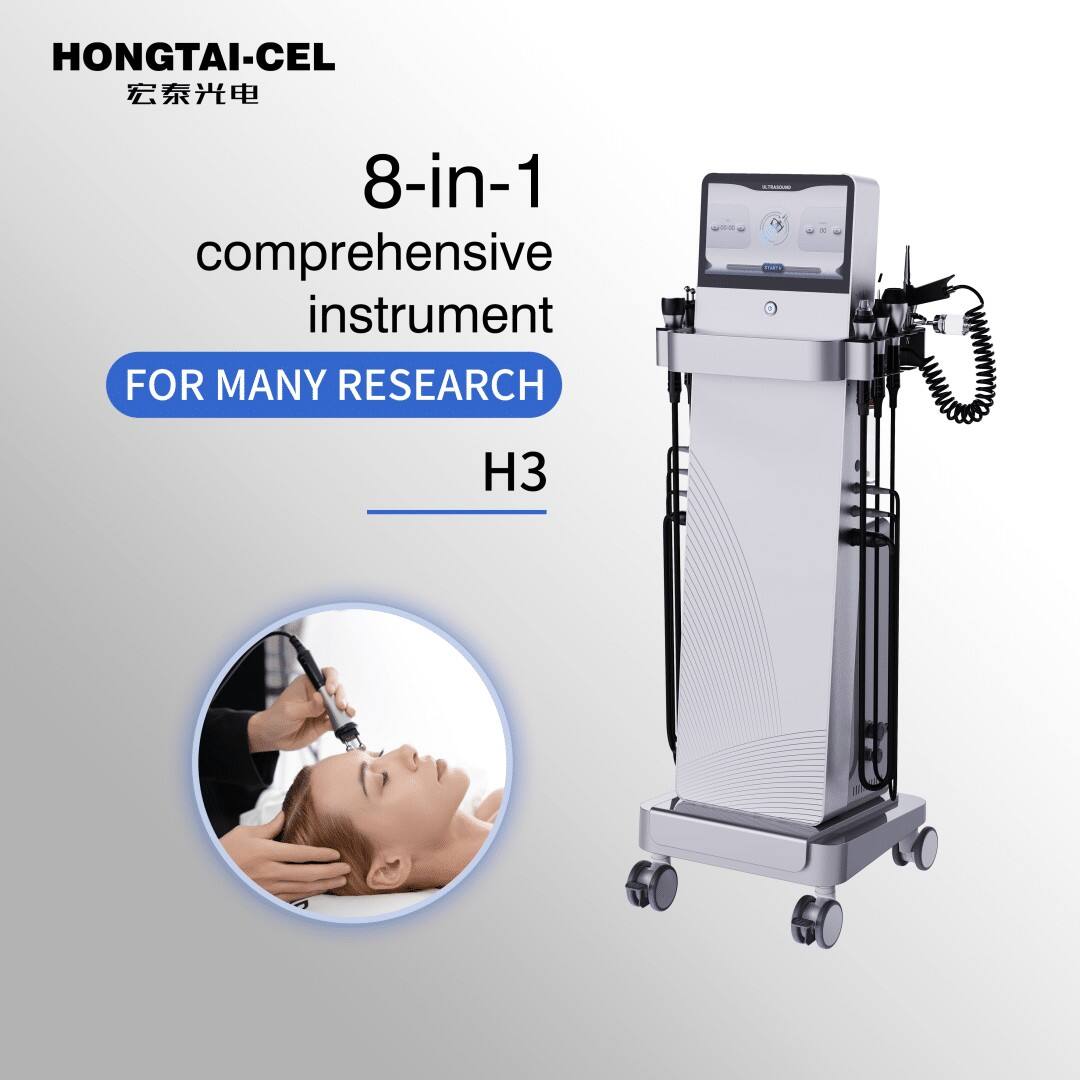
Professional beauty establishments benefit most from multifunctional systems that consolidate several treatment modalities into a single platform. Modern facial machines incorporate technologies such as microdermabrasion, LED therapy, radiofrequency, ultrasonic cleansing, and vacuum extraction, enabling practitioners to customize treatments according to individual client requirements. This comprehensive approach maximizes service offerings while optimizing space efficiency and equipment investment returns.
Essential Technologies for Professional Applications
Microdermabrasion Capabilities
Professional facial machine systems must include reliable microdermabrasion functionality to address common skin concerns such as fine lines, uneven texture, and hyperpigmentation. Diamond-tip microdermabrasion offers precise control over exfoliation depth, allowing practitioners to adjust intensity based on individual skin sensitivity and treatment goals. This technology proves particularly effective for clients seeking anti-aging solutions and skin texture improvements.
The vacuum suction component of microdermabrasion systems should provide adjustable pressure settings to accommodate different skin types and treatment areas. Professional-grade equipment typically features multiple intensity levels, enabling practitioners to deliver gentle maintenance treatments or more aggressive resurfacing sessions. Consistent suction control ensures even product removal and optimal treatment outcomes across various facial contours.
LED Light Therapy Integration
Advanced facial machine platforms incorporate multiple LED wavelengths to target specific skin conditions through phototherapy. Red light therapy promotes collagen production and reduces inflammation, making it suitable for anti-aging treatments and sensitive skin conditions. Blue light effectively targets acne-causing bacteria, providing a non-invasive solution for clients with persistent breakouts and oily skin concerns.
Professional LED systems should offer programmable treatment protocols with adjustable timing and intensity controls. Near-infrared wavelengths penetrate deeper into tissue layers, enhancing cellular metabolism and promoting healing processes. Multi-wavelength capabilities allow practitioners to combine different light therapies within a single treatment session, maximizing therapeutic benefits and treatment efficiency.
Radiofrequency and Ultrasonic Functions
Radiofrequency technology within a professional facial machine delivers controlled heating to deeper skin layers, stimulating collagen remodeling and tissue tightening. This non-invasive approach addresses skin laxity concerns without requiring downtime, making it appealing to busy professionals seeking effective anti-aging solutions. Temperature monitoring and automatic shutoff features ensure safe operation during extended treatment sessions.
Ultrasonic cleansing complements other treatment modalities by providing deep pore purification through high-frequency vibrations. This gentle yet effective technology loosens debris and impurities without causing irritation, preparing the skin for subsequent treatments. Professional ultrasonic systems typically include multiple frequency settings to optimize cleansing depth for different skin conditions and client comfort levels.
Client Suitability Assessment Criteria
Skin Type Compatibility
Professional facial machine selection must consider the diverse skin types commonly encountered in beauty practice. Sensitive skin clients require equipment with gentle settings and precise control mechanisms to prevent adverse reactions. Normal to oily skin types can typically tolerate more intensive treatments, allowing practitioners to utilize higher-powered settings for enhanced results.
Mature skin benefits from facial machine systems offering multiple anti-aging modalities, including radiofrequency, LED therapy, and gentle exfoliation. Combination skin requires equipment flexibility to address different facial zones with varying treatment intensities. Professional systems should accommodate these diverse requirements through customizable treatment protocols and adjustable power settings.
Treatment Depth Requirements
Surface-level treatments address immediate concerns such as product removal, light exfoliation, and superficial hydration. Mid-level treatments penetrate into the dermal layers, targeting fine lines, mild hyperpigmentation, and texture irregularities. Deep treatments require advanced technology capable of reaching subcutaneous layers for significant collagen stimulation and tissue remodeling.
Professional facial machine systems should offer graduated treatment depths to accommodate various client goals and expectations. Practitioners need equipment capable of delivering maintenance treatments for regular clients while also providing intensive corrective sessions for specific skin concerns. Adjustable penetration settings ensure appropriate treatment depth selection based on individual assessment and desired outcomes.
Comfort and Safety Considerations
Client comfort during treatment directly impacts satisfaction and retention rates. Professional facial machine designs should minimize noise levels, vibration, and temperature fluctuations that might cause discomfort during sessions. Ergonomic handpiece designs reduce practitioner fatigue during extended treatment periods while maintaining precise control over treatment delivery.
Safety features including automatic shutoff mechanisms, temperature monitoring, and pressure regulation protect both clients and practitioners during operation. Professional-grade equipment typically includes multiple safety protocols to prevent overtreatment and ensure consistent results. Clear display interfaces and intuitive controls reduce the risk of operational errors during busy service periods.
Business Operations and Efficiency Factors
Treatment Time Optimization
Professional beauty services require efficient treatment protocols that maximize results within reasonable time frames. Modern facial machine systems should enable practitioners to deliver comprehensive treatments within 30-60 minute sessions, accommodating typical appointment scheduling requirements. Simultaneous technology delivery allows multiple treatment modalities to work concurrently, reducing overall session duration.
Quick setup and transition capabilities between different treatment modes enhance operational efficiency during busy service periods. Professional systems with preset treatment protocols reduce preparation time while ensuring consistent results across different practitioners. Streamlined operation processes enable higher client throughput without compromising treatment quality or safety standards.
Space and Setup Requirements
Compact facial machine designs maximize space utilization in professional beauty environments where room layouts often present space constraints. Mobile cart configurations allow equipment repositioning between treatment rooms, increasing flexibility in multi-practitioner facilities. Efficient cable management and wireless handpiece options reduce setup complexity and improve workspace organization.
Professional installations should consider electrical requirements, ventilation needs, and accessibility for maintenance procedures. All-in-one systems eliminate the need for multiple separate devices, reducing overall footprint requirements and simplifying room layouts. Integrated storage solutions keep accessories and consumables organized while maintaining professional appearance standards.
Training and Learning Requirements
Professional facial machine systems should feature intuitive operation interfaces that minimize training time for new practitioners. Comprehensive training programs and ongoing technical support ensure proper equipment utilization and optimal treatment outcomes. User-friendly controls and clear visual displays reduce the learning curve associated with advanced technology adoption.
Progressive skill development capabilities allow practitioners to expand their service offerings as they gain experience with different treatment modalities. Professional equipment manufacturers typically provide certification programs and continuing education opportunities to maintain technical competency. Standardized operation procedures ensure consistent results across different staff members and service locations.
Technology Integration and Future Considerations
Software and Protocol Management
Advanced facial machine systems incorporate software platforms that streamline treatment planning, protocol customization, and client progress tracking. Digital interfaces enable practitioners to save individual client profiles with specific treatment settings and preferences. This personalization capability enhances service quality while reducing setup time for returning clients.
Treatment documentation features allow practitioners to record session details, client responses, and progress notes for future reference. Automated protocol suggestions based on skin assessment results guide treatment selection while maintaining practitioner decision-making authority. Software updates and new protocol downloads extend equipment capabilities without requiring hardware replacements.
Maintenance and Longevity Factors
Professional facial machine investments require careful consideration of long-term maintenance requirements and operational costs. Quality equipment designs minimize routine maintenance needs while providing clear service indicators and troubleshooting guidance. Modular component construction enables targeted repairs and upgrades without complete system replacement.
Warranty coverage and technical support availability directly impact operational reliability and cost management. Professional-grade systems typically include comprehensive service programs covering parts, labor, and emergency repair services. Regular maintenance schedules and calibration procedures ensure consistent performance and extend equipment lifespan significantly.
Scalability and Growth Adaptation
Professional beauty businesses benefit from facial machine systems that accommodate growth and service expansion opportunities. Modular designs enable additional technology integration as practice requirements evolve and client demands increase. Software expandability allows new treatment protocols and features to be added through updates rather than equipment replacement.
Multi-practitioner compatibility ensures equipment utilization across different skill levels and specialization areas within growing practices. Standardized operation procedures and training protocols facilitate staff expansion without compromising service quality. Investment protection through upgrade pathways maintains equipment relevance as technology advances and industry standards evolve.
FAQ
What makes a facial machine suitable for professional use versus home use?
Professional facial machines feature higher power output, more precise control settings, and multiple treatment modalities that require trained operation. They include safety features, durability standards, and regulatory compliance necessary for commercial environments. Professional equipment also offers customizable treatment protocols and documentation capabilities that home devices typically lack.
How do I determine which facial machine technologies my clients need most?
Conduct thorough skin assessments and client consultations to identify common concerns within your practice demographic. Consider age ranges, skin types, and specific treatment goals of your typical clientele. Multi-functional systems that address the most prevalent concerns while offering growth potential for expanding services usually provide the best investment value.
What training is typically required to operate professional facial machines safely?
Professional facial machine operation requires understanding of skin anatomy, treatment contraindications, and proper technique application. Most manufacturers provide certification programs covering equipment operation, safety protocols, and treatment planning. Ongoing education ensures practitioners stay current with new technologies and best practices for optimal client outcomes.
How often should professional facial machines be serviced or calibrated?
Professional facial machines should undergo routine maintenance every 6-12 months depending on usage frequency and manufacturer recommendations. Daily cleaning protocols, weekly system checks, and monthly calibration verification ensure consistent performance. Professional service technicians should perform annual comprehensive inspections and any necessary repairs or adjustments to maintain optimal functionality.
Table of Contents
- Essential Technologies for Professional Applications
- Client Suitability Assessment Criteria
- Business Operations and Efficiency Factors
- Technology Integration and Future Considerations
-
FAQ
- What makes a facial machine suitable for professional use versus home use?
- How do I determine which facial machine technologies my clients need most?
- What training is typically required to operate professional facial machines safely?
- How often should professional facial machines be serviced or calibrated?