
 EN
EN


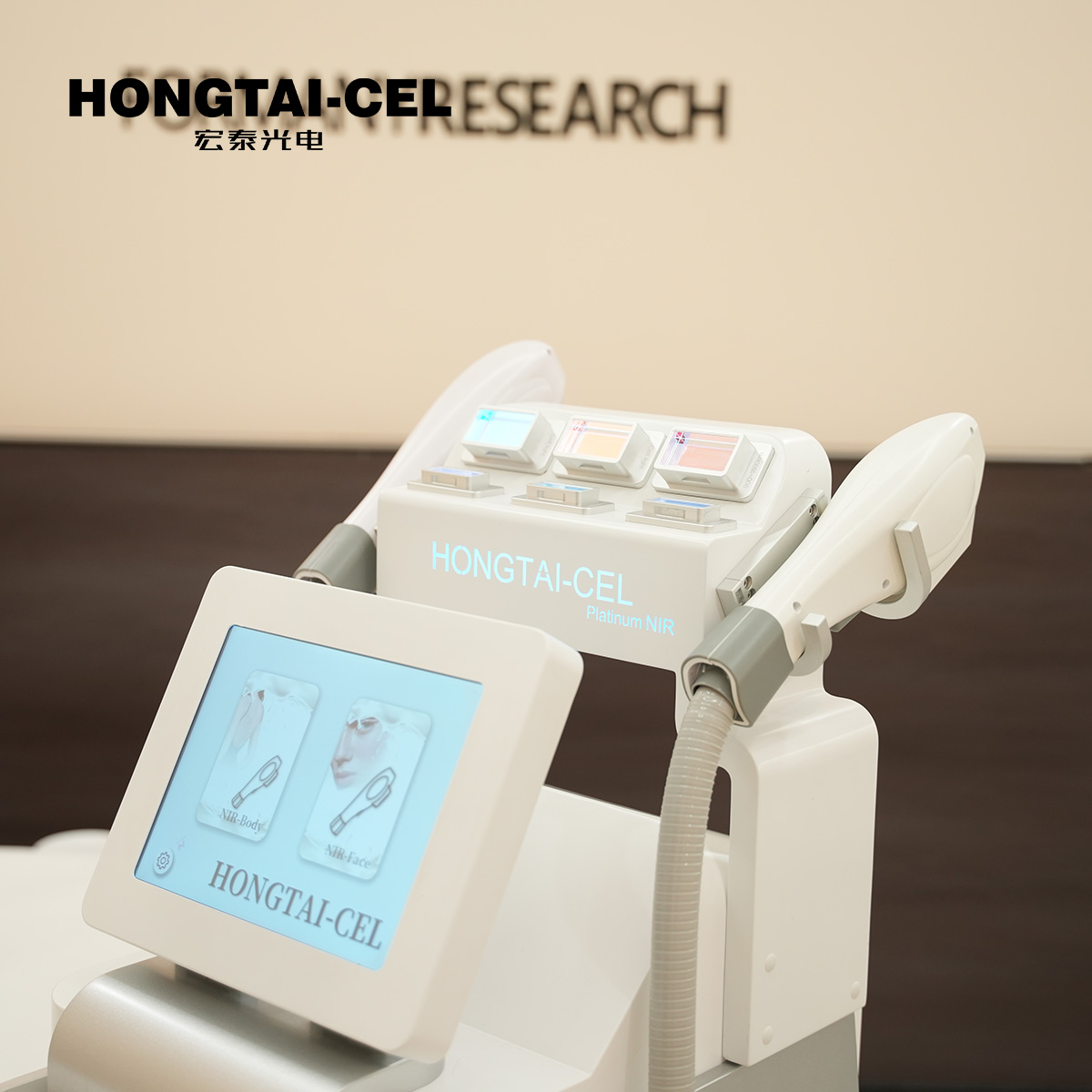
Selecting the right nir red light system for your clinic requires understanding how different technologies serve distinct therapeutic and aesthetic goals. Clinical practitioners increasingly recognize that nir red light delivers measurable results across skin rejuvenation, pain management, and tissue repair applications. However, not all nir red light systems are equally suited to every clinical setting, treatment protocol, or patient population.
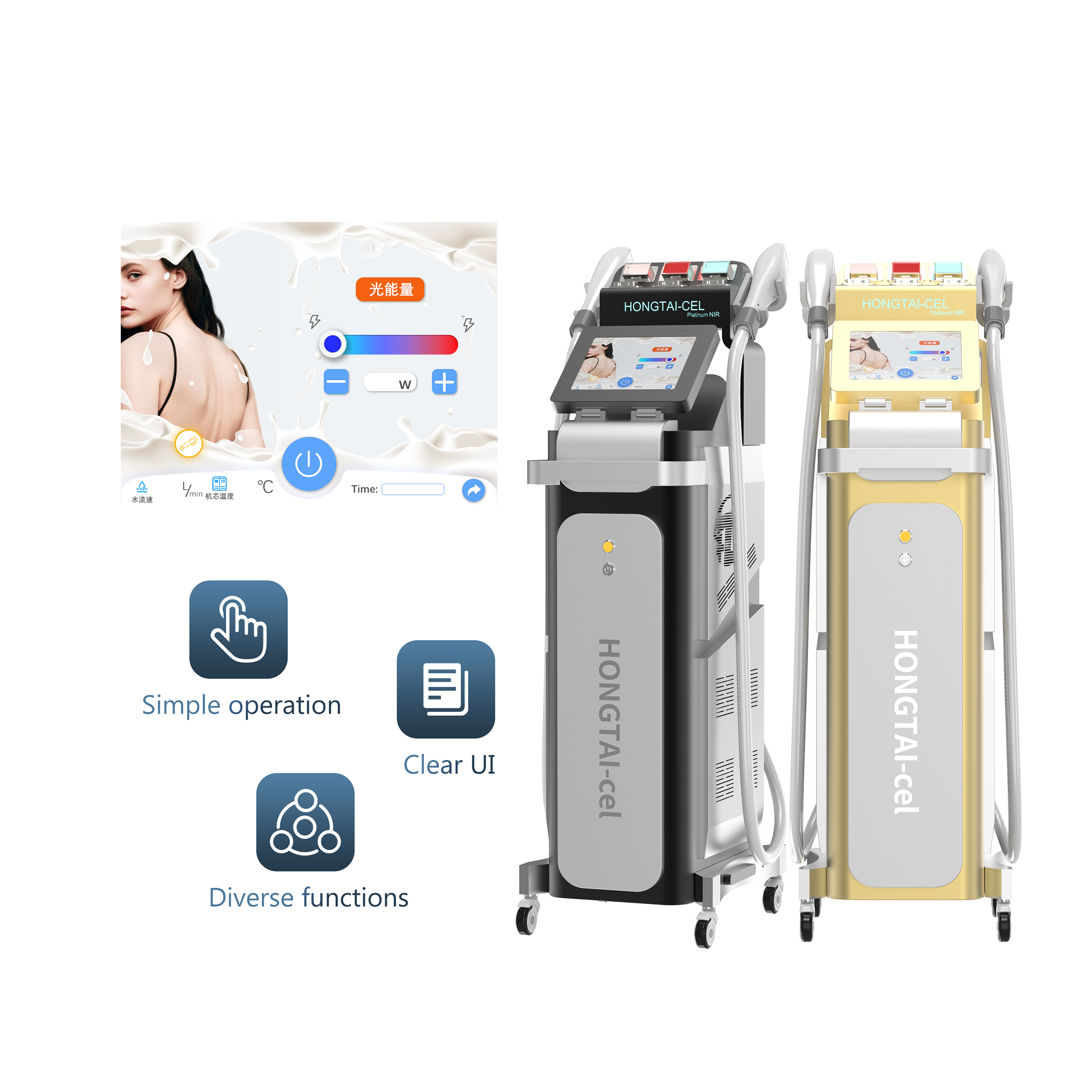
Making an informed choice means evaluating wavelength specifications, power density, treatment area coverage, patient comfort features, and long-term operational cost. This guide explores the core factors that determine whether a nir red light system aligns with your clinic's clinical philosophy, patient demographics, and treatment ambitions.
Understanding Wavelength and Penetration Depth
Core Wavelength Considerations for Clinical Use
Nir red light typically ranges from 600 to 1000 nanometers, with most clinical applications concentrating between 630 and 850 nanometers. The wavelength you select directly influences tissue penetration depth, chromophore absorption, and therapeutic effect. Nir red light at 630 nanometers penetrates shallower layers, making it ideal for superficial skin conditions, while longer wavelengths like 850 nanometers reach deeper tissues, benefiting muscle recovery and joint pain applications.
For aesthetic clinics focused on facial rejuvenation and collagen stimulation, nir red light between 630 and 700 nanometers offers optimal balance between epidermal and dermal penetration. Medical spas treating acne scars or post-procedure inflammation often prefer nir red light in this range. Conversely, clinics managing chronic pain, wound healing, or athletic recovery injuries benefit from nir red light wavelengths above 750 nanometers, which penetrate past the dermis into muscle and connective tissue.
Dual-Wavelength Systems and Combination Therapy
Many modern clinical nir red light systems combine two or more wavelengths to expand therapeutic versatility. A nir red light system offering both 660 and 850 nanometers, for instance, allows practitioners to address superficial and deep tissue targets within a single device platform. This dual approach maximizes clinic efficiency, reduces equipment investment, and enables customized protocols for diverse patient needs.
When evaluating nir red light systems with multiple wavelengths, verify that each wavelength operates at adequate power density and that the device allows independent or simultaneous activation. Some nir red light systems deliver both wavelengths simultaneously, while others permit selective activation depending on the treatment goal, giving clinicians greater protocol flexibility.
Power Output and Treatment Efficacy
Power Density as a Clinical Performance Indicator
Nir red light power density, measured in milliwatts per square centimeter, directly correlates with treatment depth and duration. Systems delivering 50 to 200 mW/cm² represent the clinical gold standard, offering measurable biological response within practical treatment windows of 10 to 20 minutes. Lower power nir red light systems may require extended treatment sessions, reducing clinic throughput and patient satisfaction, while excessively high power can raise safety concerns and tissue heating risks.
Clinics specializing in high-volume aesthetic treatments often favor nir red light systems with power outputs allowing 15-minute sessions, maximizing daily patient capacity without compromising efficacy. Pain management and rehabilitation clinics frequently select nir red light systems allowing flexible session durations from 10 to 30 minutes, accommodating different tissue types and injury severity. Before purchasing, request power density specifications at the treatment distance your clinic intends to use, as power decreases with distance from the device.
Total Energy Delivery and Cumulative Dose
The cumulative energy delivered by a nir red light session, expressed as joules per square centimeter, determines clinical outcomes more precisely than treatment time alone. Research suggests that nir red light treatments delivering 4 to 12 joules per square centimeter produce consistent therapeutic benefits across most applications. Understanding how your chosen nir red light system achieves target energy doses helps predict treatment duration and patient scheduling efficiency.
Treatment Area Coverage and Equipment Design
Panel Size, Form Factor, and Clinical Workflow Integration
Nir red light systems vary dramatically in treatment area size, ranging from handheld spot treatments covering small regions to full-body panels treating large zones simultaneously. Facial and localized aesthetic clinics often find compact nir red light systems with 15 to 30 centimeter treatment heads sufficient, whereas pain management centers and sports medicine clinics benefit from larger nir red light panels covering 50 to 100 centimeters or more. Larger nir red light systems reduce per-session time, but require more floor space and patient positioning infrastructure.
Consider your clinic's physical layout, typical patient volume, and treatment menu when selecting nir red light equipment size. Portable nir red light systems offer flexibility for multi-room clinics or traveling practitioners, while fixed-installation nir red light solutions maximize power delivery and operational consistency. Some clinics maintain both portable and stationary nir red light systems to balance versatility with efficiency.
Patient Positioning and Comfort Features
Clinical success depends partly on patient comfort during nir red light sessions. Systems with adjustable treatment angles, padded treatment surfaces, or skin-friendly contact designs encourage patient compliance and allow practitioners to reach anatomically challenging areas. Nir red light systems featuring cooling elements or heat management reduce perceived discomfort during extended sessions, particularly for pain-sensitive patients or full-body treatments.
Clinical Applications and Protocol Flexibility
Aesthetic and Dermatological Use Cases
Nir red light systems excel in aesthetic clinics targeting skin texture, fine lines, and collagen synthesis. A nir red light system calibrated for facial rejuvenation typically requires 12 to 24 sessions spaced 2 to 3 times weekly for visible results. Nir red light also addresses post-procedure recovery, accelerating healing after microneedling, chemical peels, or laser treatments. For acne management, nir red light combined with blue wavelengths (though beyond nir red light strictly) offers dual benefits, making multi-wavelength nir red light systems valuable investments.
Pain Management and Musculoskeletal Recovery
Sports medicine clinics and rehabilitation centers increasingly deploy nir red light systems for chronic pain, muscle soreness, and tissue repair. Nir red light penetrating to muscle and connective tissue reduces inflammation markers and accelerates recovery timelines compared to untreated controls. Athletes use nir red light pre-competition to enhance performance and post-competition to minimize soreness and expedite adaptation. A nir red light system suited for these applications typically combines deeper wavelengths with adequate power density to reach target tissues efficiently.
Operational Considerations and Long-Term Value
Maintenance, Durability, and Cost of Ownership
Nir red light systems are capital equipment requiring careful cost-benefit analysis beyond initial purchase price. LED-based nir red light systems typically offer longer operational lifespans (50,000 to 100,000 hours) and lower maintenance costs than older laser-based alternatives. Warranty coverage, replacement part availability, and manufacturer support directly impact long-term clinic economics. Evaluate whether your nir red light system supplier provides training, technical support, and clinical protocol resources that enhance staff competence and patient outcomes.
Premium nir red light systems invest in quality components, thermal management, and regulatory certification, justifying higher upfront costs through superior reliability and patient safety. Budget-tier nir red light systems may appear economical initially but risk higher downtime, shorter operational life, and potential patient safety compromises. Calculate the cost per treatment across the expected lifespan of your nir red light system to compare true value.
Regulatory Compliance and Clinical Documentation
Verify that your selected nir red light system meets relevant medical device regulations, including FDA clearance where applicable and international standards like CE marking in European markets. Reputable nir red light manufacturers provide comprehensive clinical data, treatment protocol documentation, and safety guidelines supporting practitioner training and patient education. This documentation strengthens clinic credibility, supports informed consent discussions, and protects against liability exposure.
FAQ
What wavelength of nir red light penetrates deepest into tissue?
Nir red light at 850 nanometers typically penetrates furthest, reaching muscle and deep connective tissue at several millimeters below the skin surface. Nir red light at longer wavelengths encounters less water absorption in tissue, enabling deeper photon penetration compared to shorter wavelengths like 630 nanometers. This wavelength selection determines whether your nir red light system targets surface skin, dermal collagen, or deeper musculoskeletal structures.
How often should patients receive nir red light treatments?
Treatment frequency depends on therapeutic goals and condition severity. Aesthetic patients using nir red light for skin rejuvenation typically benefit from 2 to 3 sessions weekly for 8 to 12 weeks, then transition to maintenance frequencies of once or twice monthly. Pain management patients may find nir red light effective on varied schedules, from daily acute injury treatment to weekly chronic pain management. Your nir red light system supplier should provide evidence-based protocol recommendations aligned with published clinical research.
Can nir red light systems be used on all skin types safely?
Nir red light is generally safe across all skin types because it operates at wavelengths and intensities below thermal damage thresholds and avoids melanin-specific absorption peaks that create risk for darker skin. Nir red light systems certified for medical use include safety features preventing excessive heat exposure. Practitioners should conduct patch tests, use appropriate eye protection during nir red light administration, and follow manufacturer guidelines, particularly for patients on photosensitizing medications or with relevant contraindications.