
 EN
EN


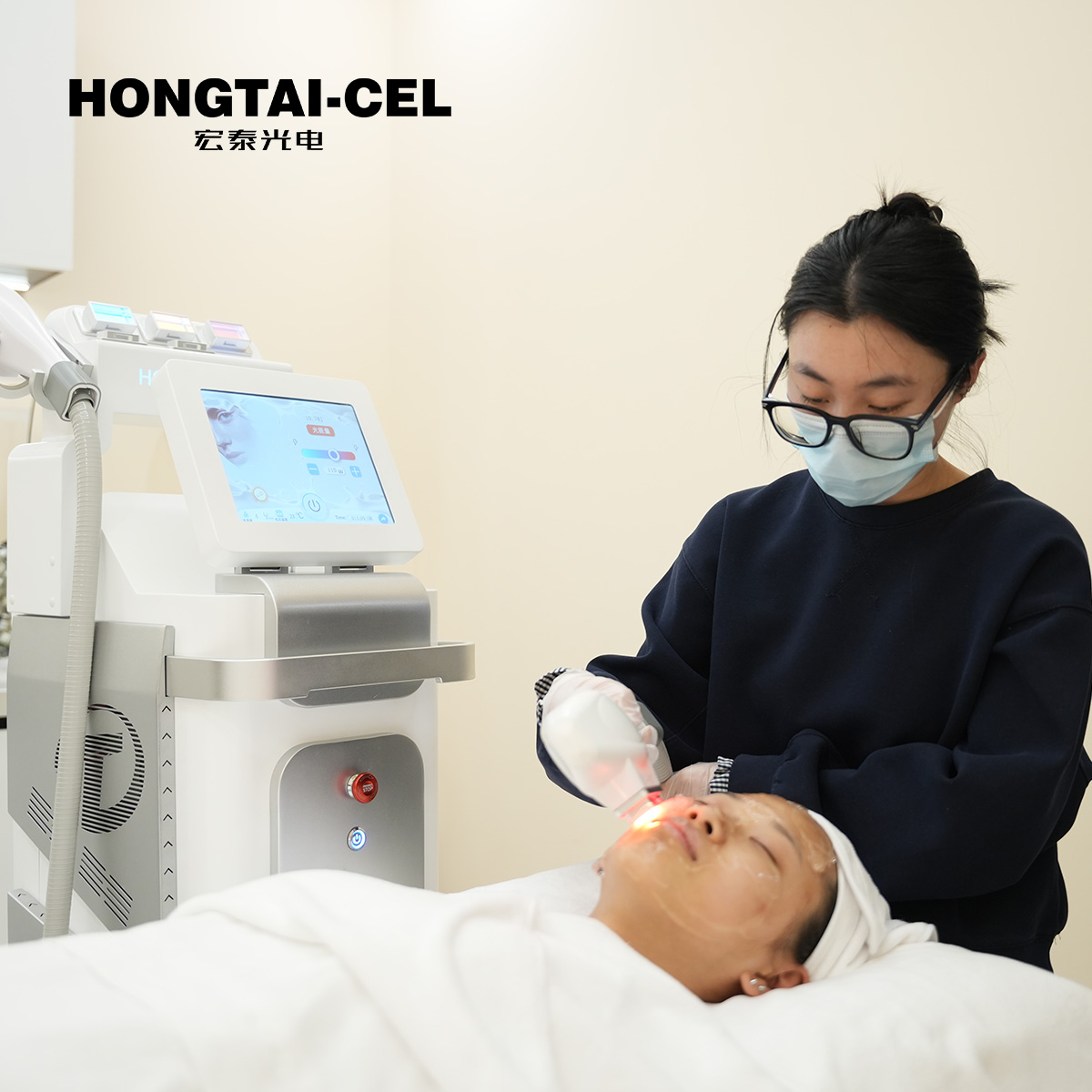
Near-infrared (NIR) red light has emerged as one of the most scientifically validated approaches to skin repair and rejuvenation in modern dermatology and wellness. Unlike invasive procedures or chemical treatments, NIR red light works by stimulating natural biological processes at the cellular level, triggering collagen production, improving blood flow, and enhancing skin texture and tone. This non-invasive therapy harnesses specific wavelengths between 600 and 1000 nanometers to penetrate the skin's deeper layers, where fibroblasts and mitochondria respond with increased energy production and repair activity.
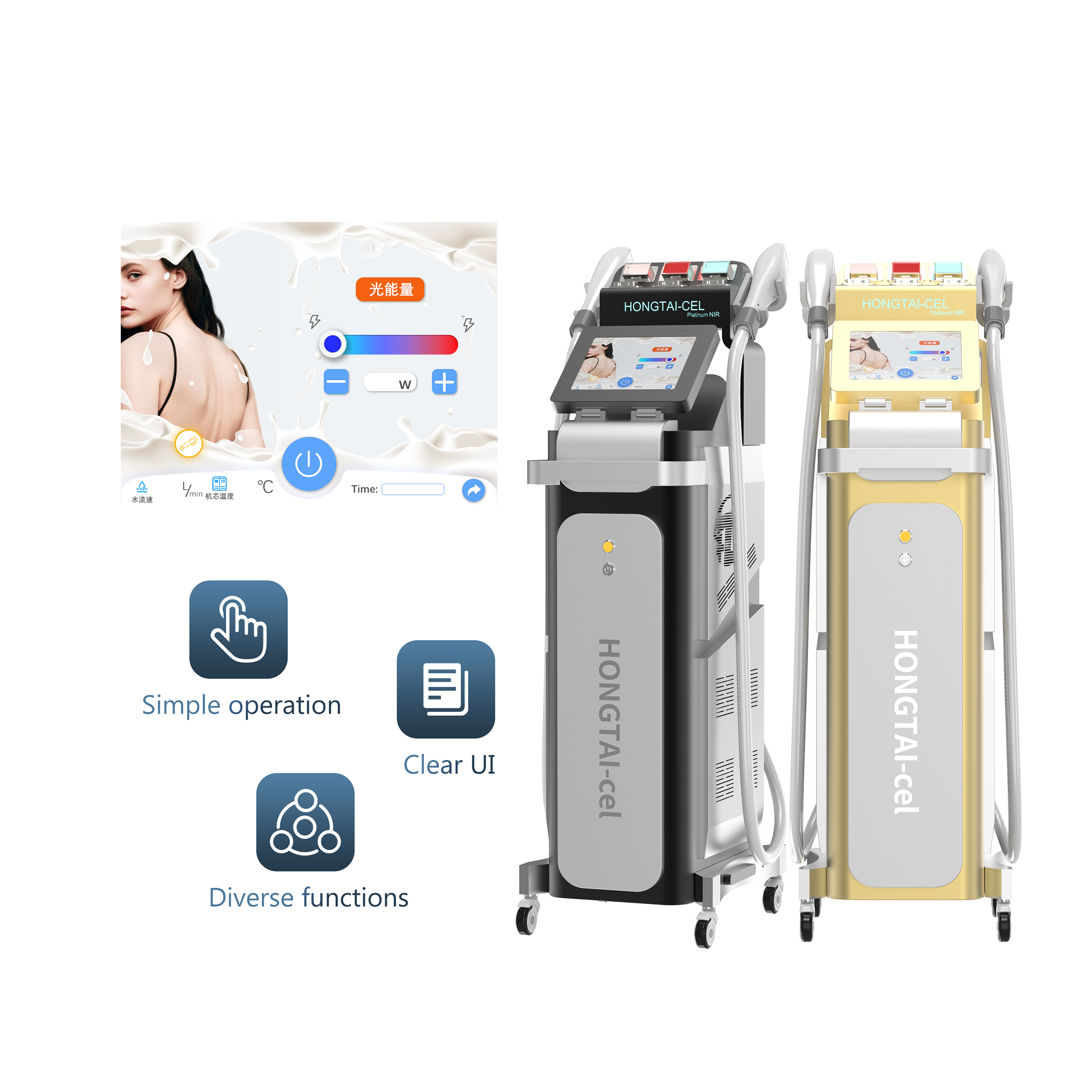
The skin repair benefits of NIR red light extend far beyond surface-level improvements. Clinical research demonstrates that consistent exposure to NIR red light wavelengths stimulates adenosine triphosphate (ATP) production in mitochondria, which fuels cellular repair mechanisms and accelerates healing processes. Whether addressing sun damage, fine lines, inflammation, or post-procedure recovery, NIR red light offers a complementary or standalone solution backed by peer-reviewed evidence and decades of therapeutic application in medical and aesthetic settings.
How NIR Red Light Penetrates Skin Layers and Activates Repair Mechanisms
Wavelength Penetration and Cellular Energy Production
The effectiveness of NIR red light begins with its unique ability to penetrate deeper into skin than visible red light alone. Wavelengths in the 700 to 1000 nanometer range pass through the epidermis and dermis, reaching the mitochondrial machinery responsible for cellular energy. When fibroblasts—the collagen-producing cells in the skin—absorb photons from NIR red light, their mitochondrial cytochrome c oxidase enzyme becomes activated. This triggers increased ATP synthesis, providing the cellular energy necessary for collagen deposition, wound healing, and tissue remodeling.
The biochemical cascade initiated by NIR red light exposure doesn't stop at energy production. Activated mitochondria also reduce oxidative stress by enhancing antioxidant enzyme systems like superoxide dismutase and catalase. This dual mechanism—increased energy plus reduced inflammation—explains why NIR red light is effective for both acute skin concerns like acne and chronic issues like photoaging. The energy boost enables cells to work at optimal efficiency, while reduced reactive oxygen species (ROS) prevents further cellular damage.
Collagen Remodeling and Structural Strengthening
One of the most valued skin repair outcomes from NIR red light therapy is stimulated collagen synthesis and reorganization. Fibroblasts exposed to NIR red light wavelengths upregulate genes responsible for Type I and Type III collagen production. Over weeks and months of consistent exposure, this leads to denser, more resilient skin with improved elasticity and reduced appearance of fine lines and wrinkles. The structural strengthening from NIR red light-induced collagen remodeling also improves skin barrier function, helping the skin retain moisture and resist environmental stressors.
Beyond new collagen production, NIR red light promotes collagen cross-linking and organization, which increases skin firmness and resilience. This is particularly significant for aging skin where collagen naturally breaks down and becomes disorganized. NIR red light helps restore the ordered collagen architecture of youthful skin, reducing sagging and improving overall skin contour and definition.
Primary Benefits of NIR Red Light for Skin Repair and Rejuvenation
Acceleration of Wound Healing and Post-Procedure Recovery
Skin repair professionals and dermatologists frequently integrate NIR red light into post-treatment protocols because it demonstrably accelerates healing and reduces downtime. Whether following laser treatments, chemical peels, or microneedling, NIR red light stimulates faster re-epithelialization—the process of new skin cells covering treated areas. The increased ATP production from NIR red light energizes fibroblasts to produce healing growth factors and new collagen faster than untreated skin.
Clinical studies on NIR red light exposure after invasive procedures show reduced swelling, faster resolution of erythema (redness), and improved final aesthetic outcomes compared to control groups. The anti-inflammatory properties of NIR red light also minimize post-procedure discomfort and the risk of complications. This makes NIR red light an essential complement to modern aesthetic medicine protocols.
Reduction of Visible Signs of Aging and Photodamage
Cumulative sun exposure causes photoaging—characterized by rough texture, irregular pigmentation, deep wrinkles, and loss of elasticity. NIR red light addresses these signs by activating the skin's inherent repair systems rather than masking them. Regular NIR red light therapy increases cellular turnover, boosts collagen and elastin production, and improves microcirculation to nourish aging skin. Over consistent treatment periods, users report smoother texture, reduced fine lines, improved radiance, and more even skin tone.
The rejuvenation benefits of NIR red light are cumulative and sustained, with many users experiencing progressive improvements over 8 to 12 weeks of regular exposure. Unlike topical products that require continual application, the cellular changes triggered by NIR red light create lasting structural improvements in skin quality and appearance.
Anti-Inflammatory Effects and Acne Resolution
Beyond aging concerns, NIR red light effectively reduces inflammatory skin conditions including acne, rosacea, and general skin inflammation. The anti-inflammatory cascade initiated by NIR red light suppresses pro-inflammatory cytokines and reduces sebaceous gland activity without the harsh side effects of systemic antibiotics or topical retinoids. NIR red light stimulates immune-modulating effects that help the skin clear bacterial colonization while simultaneously soothing irritation and reducing post-inflammatory hyperpigmentation.
Users with sensitive or inflamed skin often choose NIR red light as a gentle alternative to aggressive chemical treatments. The therapy improves skin barrier integrity while calming active inflammation, making it suitable for long-term use without developing resistance or dependency, which can occur with some conventional acne treatments.
Practical Application Methods and Integration Into Skin Care Routines
Professional Treatment Protocols and Home-Use Options
NIR red light therapy is available through both professional clinic settings and affordable home devices, making it accessible for various budgets and preferences. Professional panels deliver higher irradiance levels in shorter treatment sessions—typically 10 to 20 minutes—and allow targeted treatment of specific concerns. Home-use NIR red light devices, including panels, masks, and hand-held wands, offer convenience and consistent exposure for ongoing rejuvenation programs.
For optimal skin repair results, consistency matters more than intensity. Most clinical protocols recommend NIR red light exposure three to five times weekly, with cumulative benefits appearing over 8 to 12 weeks. The non-invasive nature of NIR red light allows daily use without risk of damage, making it an ideal companion to other skincare ingredients and treatments. NIR red light therapy pairs particularly well with antioxidants, retinoids, and hydrating serums, as the increased cellular energy from NIR red light enhances the penetration and efficacy of topical products.
Complementary Strategies and Treatment Timing
Maximizing the skin repair potential of NIR red light requires understanding optimal timing and complementary approaches. Applying NIR red light therapy immediately after cleansing allows unobstructed penetration, while using it before serums and moisturizers enhances ingredient absorption. Some practitioners recommend NIR red light sessions in the evening to leverage the skin's natural nighttime repair processes, though morning use is equally effective.
The synergistic benefits of NIR red light combined with professional treatments—such as microneedling, radiofrequency, or chemical peels—are well-documented. NIR red light therapy accelerates healing and amplifies the rejuvenation outcomes of these procedures. When integrated into a comprehensive skin health strategy that includes sun protection, proper hydration, and quality nutrition, NIR red light delivers compounding benefits over time, resulting in visibly younger, healthier, more resilient skin.
FAQ
Is NIR red light therapy safe for all skin types?
NIR red light therapy is considered safe and effective for virtually all skin types, including sensitive, oily, and reactive skin. Unlike chemical treatments or harsher procedures, NIR red light does not cause irritation, photosensitivity, or adverse reactions when used as directed. However, individuals with contraindications such as certain medications or light-sensitive conditions should consult a healthcare provider before beginning NIR red light therapy. Generally, NIR red light has an excellent safety profile with minimal reported side effects even with prolonged use.
How long does it take to see results from NIR red light skin repair?
Results from NIR red light therapy typically become visible within 4 to 8 weeks of consistent treatment, though individual timelines vary. Some users report subtle improvements in skin radiance and texture within 2 to 3 weeks, while more significant changes in fine lines, firmness, and overall rejuvenation appear after 8 to 12 weeks. The cumulative nature of NIR red light benefits means ongoing treatment yields progressive improvements, with many users experiencing continued enhancement over several months and beyond.
Can NIR red light be combined with other skincare treatments?
NIR red light therapy complements and enhances most other skincare treatments without contraindications. Using NIR red light alongside topical serums, retinoids, vitamin C, and hyaluronic acid amplifies results by boosting cellular energy and product absorption. NIR red light is also highly compatible with professional treatments like laser therapy, microneedling, and chemical peels, where it accelerates recovery and enhances outcomes. For best results, space aggressive treatments appropriately and allow skin to stabilize before combining multiple intensive procedures with NIR red light therapy.