
 EN
EN


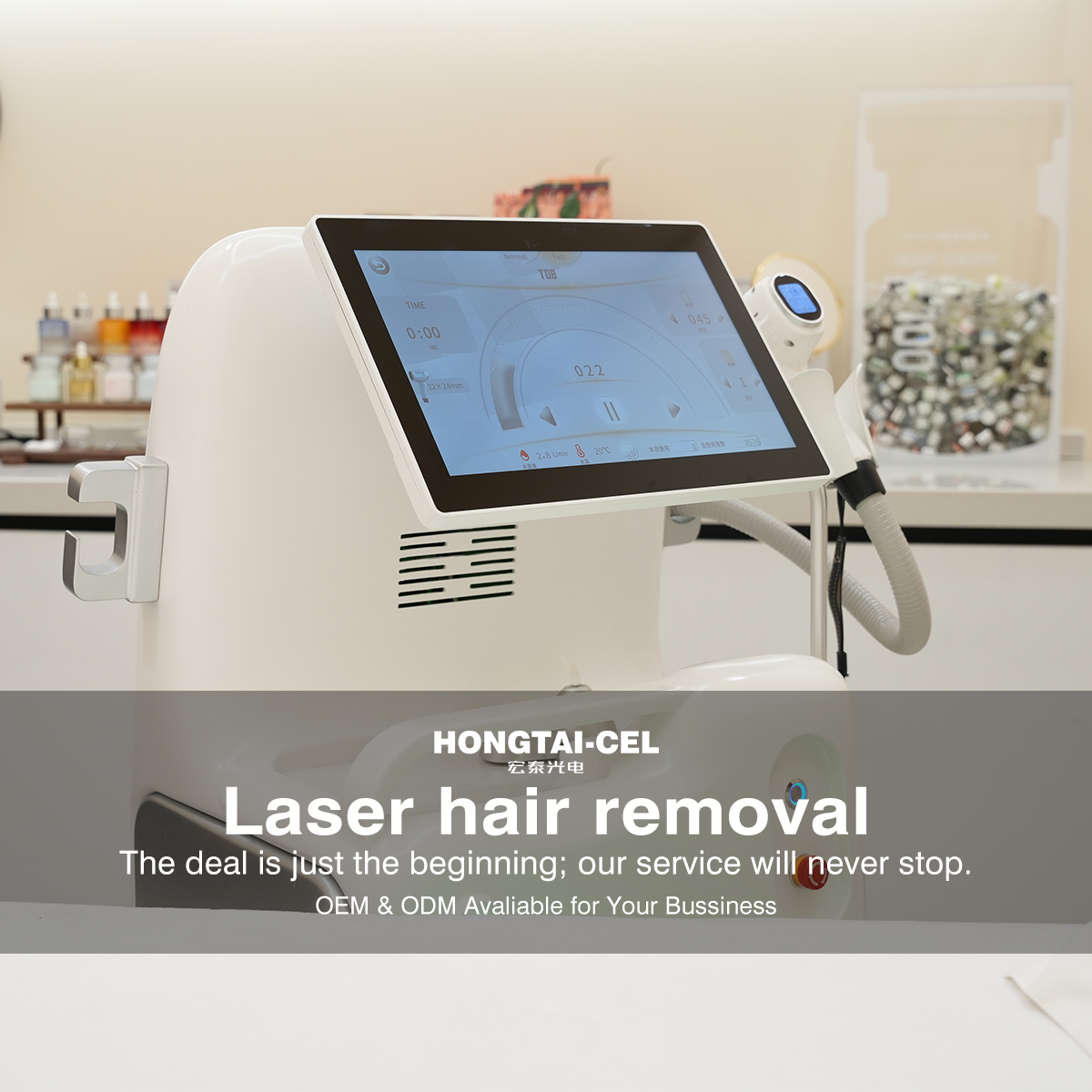
Choosing the right device for laser hair removal chin treatments requires understanding the unique challenges of facial hair removal and the specific characteristics that make certain technologies more effective than others. The chin area presents particular complexities due to its sensitive skin, varied hair thickness, and proximity to facial features, making device selection a critical factor in treatment success and client safety.

The effectiveness of laser hair removal chin procedures depends heavily on the device's wavelength, cooling system, spot size, and pulse duration capabilities. Professional practitioners must evaluate multiple technical specifications and treatment protocols to determine which devices deliver optimal results while maintaining client comfort and minimizing adverse effects in the delicate chin region.
Diode Laser Technology for Chin Hair Removal
808nm Wavelength Advantages
The 808nm diode laser represents the gold standard for laser hair removal chin treatments due to its optimal penetration depth and melanin absorption characteristics. This wavelength effectively targets hair follicles in the chin area while minimizing damage to surrounding skin tissue, making it particularly suitable for the sensitive facial region where precision is paramount.
Professional diode systems operating at 808nm demonstrate superior performance in treating various hair types commonly found in chin areas, from fine vellus hair to coarse terminal hair. The wavelength's ability to penetrate deeply enough to reach follicle bulbs while maintaining surface skin protection makes it ideal for comprehensive laser hair removal chin protocols.
Advanced 808nm diode devices incorporate sophisticated cooling mechanisms that protect the epidermis during treatment, allowing practitioners to use higher energy levels safely. This combination of effective wavelength and protective cooling enables more aggressive treatment parameters for stubborn chin hair while maintaining client comfort throughout the procedure.
Dual-Handle System Benefits
Modern diode laser systems featuring dual-handle configurations provide significant advantages for laser hair removal chin treatments by offering different spot sizes and treatment modes. The smaller handle typically features a 12x12mm spot size specifically designed for precision facial work, while larger handles accommodate broader treatment areas when addressing adjacent regions.
The dual-handle approach allows practitioners to customize their laser hair removal chin technique based on individual client needs and hair distribution patterns. Smaller spot sizes enable precise targeting of specific areas like the chin cleft or jawline, while maintaining consistent energy delivery and treatment depth across the entire treatment zone.
Professional dual-handle systems also incorporate independent cooling and energy settings for each handpiece, enabling practitioners to optimize treatment parameters for different areas during a single session. This flexibility proves particularly valuable when addressing laser hair removal chin cases that involve varying hair densities and skin sensitivities across the treatment area.
Alexandrite Laser Applications
755nm Wavelength Characteristics
Alexandrite lasers operating at 755nm wavelength offer distinct advantages for certain laser hair removal chin applications, particularly in clients with lighter skin tones and darker hair. The shorter wavelength provides excellent melanin absorption in hair follicles while requiring careful energy management to prevent adverse skin reactions in the sensitive chin region.
The 755nm wavelength demonstrates superior effectiveness in treating fine to medium hair thickness commonly encountered in female laser hair removal chin cases. However, practitioners must exercise greater caution regarding energy levels and cooling protocols due to the increased risk of epidermal damage compared to longer wavelength systems.
Professional alexandrite systems designed for facial treatments incorporate advanced cooling technologies and precise energy control mechanisms to minimize thermal damage risk. These safety features enable effective laser hair removal chin treatments while maintaining the high safety standards required for facial procedures.
Treatment Protocol Considerations
Alexandrite laser protocols for laser hair removal chin treatments require careful consideration of individual skin characteristics, hair type, and treatment history. Practitioners must conduct thorough skin assessments and test patches to determine appropriate energy levels and pulse durations for safe and effective treatment delivery.
The shorter wavelength of alexandrite systems necessitates longer intervals between laser hair removal chin sessions compared to diode treatments, allowing adequate healing time and reducing cumulative thermal stress on facial tissues. This extended treatment schedule may result in longer overall treatment timelines but can provide excellent results in appropriately selected candidates.
Advanced alexandrite devices incorporate real-time skin monitoring and automatic energy adjustment features that enhance safety during laser hair removal chin procedures. These intelligent systems help practitioners maintain optimal treatment parameters while minimizing the risk of adverse events in the sensitive facial region.
Nd:YAG Laser Considerations
1064nm Wavelength Properties
Nd:YAG lasers utilizing 1064nm wavelength provide unique advantages for laser hair removal chin treatments in clients with darker skin tones or those prone to post-inflammatory hyperpigmentation. The longer wavelength penetrates deeply with minimal melanin absorption in the epidermis, reducing the risk of pigmentation changes that can occur with shorter wavelengths.
The 1064nm wavelength's deep penetration capabilities make it particularly effective for treating coarse, deeply rooted hair commonly found in male laser hair removal chin applications. However, the reduced melanin absorption requires higher energy levels to achieve effective follicle destruction, necessitating advanced cooling systems and careful treatment protocols.
Professional Nd:YAG systems designed for facial applications incorporate sophisticated cooling mechanisms and pulse shaping technologies to deliver effective laser hair removal chin treatments while maintaining safety in darker skin types. These features enable practitioners to expand their treatment capabilities to serve diverse client populations safely.
Safety Profile Advantages
Nd:YAG lasers offer superior safety profiles for laser hair removal chin treatments in clients with increased photosensitivity or those taking medications that may increase light sensitivity. The longer wavelength's reduced interaction with superficial skin chromophores minimizes the risk of adverse reactions while maintaining therapeutic effectiveness.
The inherent safety characteristics of 1064nm wavelength systems make them particularly suitable for laser hair removal chin treatments in clients with tanned or naturally darker skin. This capability enables year-round treatment schedules without the seasonal restrictions often associated with shorter wavelength systems.
Advanced Nd:YAG devices incorporate multiple safety features including real-time temperature monitoring, automatic shut-off mechanisms, and integrated cooling systems that work continuously during laser hair removal chin procedures. These comprehensive safety systems provide additional protection for the sensitive facial treatment area.
Device Selection Criteria
Technical Specifications
Selecting optimal devices for laser hair removal chin treatments requires evaluation of multiple technical parameters including pulse width, energy output range, spot size options, and repetition rate capabilities. These specifications directly impact treatment effectiveness, session duration, and client comfort during facial hair removal procedures.
Professional-grade systems should offer adjustable pulse widths ranging from milliseconds to longer durations, enabling practitioners to customize treatment parameters for different hair types encountered in laser hair removal chin applications. Variable pulse width capability allows optimization for both fine vellus hair and coarse terminal hair within the same treatment session.
Energy output specifications must provide sufficient power for effective follicle destruction while maintaining precise control at lower energy levels required for sensitive facial skin. Professional devices should offer energy ranges from minimal settings for test patches to maximum levels needed for resistant hair types in laser hair removal chin treatments.
Cooling System Requirements
Effective cooling systems represent critical components in devices selected for laser hair removal chin treatments, as the sensitive facial skin requires continuous protection from thermal damage. Professional systems should incorporate contact cooling, cryogen spray, or air cooling mechanisms that operate before, during, and after each laser pulse.
Advanced cooling technologies enable higher energy delivery during laser hair removal chin procedures by maintaining epidermal temperatures within safe ranges. This thermal protection allows practitioners to use more aggressive treatment parameters for improved efficacy while preserving client comfort and safety.
Integrated cooling systems should provide consistent temperature control throughout extended treatment sessions, preventing heat accumulation that could compromise treatment outcomes or client safety. Professional-grade cooling mechanisms maintain optimal skin protection even during rapid pulse repetition rates required for efficient laser hair removal chin protocols.
Treatment Protocol Optimization
Energy Level Management
Optimal energy level selection for laser hair removal chin treatments requires careful consideration of individual skin characteristics, hair properties, and treatment objectives. Practitioners must establish appropriate energy thresholds that achieve effective follicle destruction while maintaining safety margins for the sensitive facial region.
Professional protocols typically begin with conservative energy levels during initial laser hair removal chin sessions, gradually increasing intensity based on skin response and treatment tolerance. This progressive approach minimizes adverse reaction risk while optimizing long-term treatment outcomes through systematic parameter adjustment.
Advanced devices enable real-time energy adjustment during laser hair removal chin procedures, allowing practitioners to modify treatment parameters based on immediate skin response. This dynamic capability ensures optimal energy delivery while maintaining safety throughout the treatment session.
Session Scheduling Strategies
Effective laser hair removal chin protocols require strategic session scheduling that accounts for hair growth cycles, skin healing requirements, and individual response patterns. Professional practitioners must establish treatment intervals that maximize follicle targeting while allowing adequate recovery time between sessions.
Typical laser hair removal chin treatment schedules involve sessions spaced 4-6 weeks apart during initial phases, with interval extensions as hair density decreases. This scheduling approach ensures optimal follicle targeting during active growth phases while preventing overtreatment of the sensitive facial area.
Advanced treatment planning incorporates individual response monitoring and schedule adjustments based on observed results. Practitioners may modify session frequency and energy levels throughout the laser hair removal chin treatment series to optimize outcomes while maintaining client comfort and safety.
FAQ
What makes 808nm diode lasers ideal for chin hair removal?
The 808nm wavelength provides optimal balance between melanin absorption and skin penetration depth, making it highly effective for chin hair removal while minimizing risk to surrounding facial tissues. This wavelength targets hair follicles precisely while advanced cooling systems protect the sensitive chin skin, enabling safe and comfortable treatments with excellent long-term results.
How do spot sizes affect laser hair removal chin treatment outcomes?
Smaller spot sizes like 12x12mm enable precise targeting of specific chin areas and better energy concentration for effective follicle destruction. Professional devices offering multiple spot size options allow practitioners to customize treatments based on hair distribution patterns and facial anatomy, improving overall treatment precision and effectiveness in the chin region.
Can darker skin types safely receive laser hair removal chin treatments?
Yes, darker skin types can safely receive laser hair removal chin treatments using appropriate wavelengths and protocols. Nd:YAG lasers at 1064nm wavelength provide excellent safety for darker skin tones by minimizing epidermal melanin interaction while maintaining effective follicle targeting. Professional assessment and conservative treatment approaches ensure safe outcomes for all skin types.
What cooling features are essential for facial laser hair removal devices?
Essential cooling features include contact cooling plates, integrated air cooling, or cryogen spray systems that operate continuously during treatment. These cooling mechanisms protect the sensitive facial skin during laser hair removal chin procedures, enabling higher energy delivery for improved effectiveness while maintaining client comfort and preventing thermal damage to surrounding tissues.