
 EN
EN


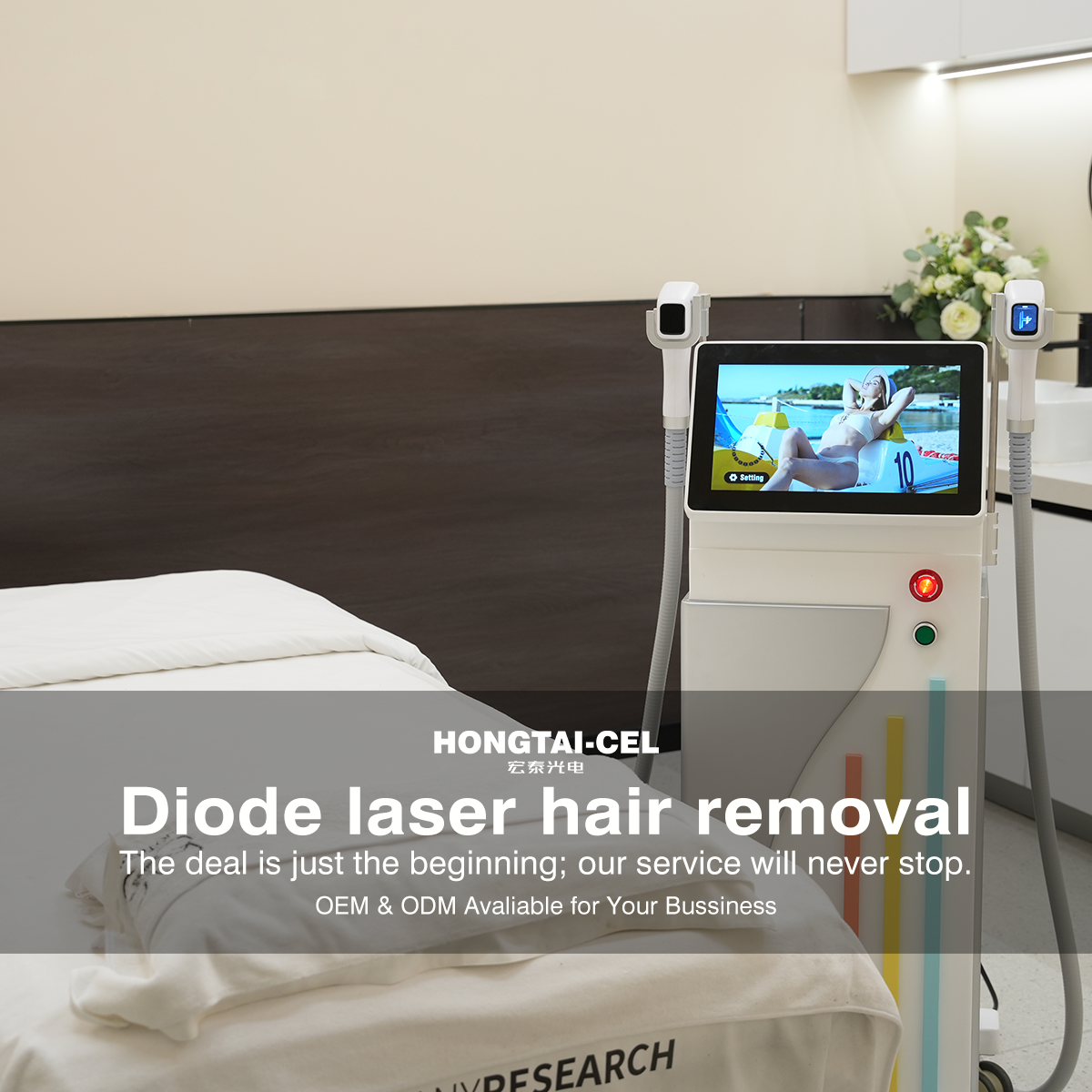
Maintaining laser hair removal equipment for chin services requires specialized attention to detail, as facial treatments demand the highest precision and safety standards. Proper maintenance protocols ensure consistent results for laser hair removal chin procedures while extending equipment lifespan and protecting client safety. The delicate nature of chin treatments necessitates meticulous care of laser systems to maintain optimal performance parameters.

Effective maintenance practices directly impact treatment efficacy and client satisfaction in laser hair removal chin services. Neglecting proper maintenance can result in inconsistent energy delivery, reduced treatment effectiveness, and potential safety risks during delicate facial procedures. Understanding comprehensive maintenance requirements enables practitioners to deliver professional-grade results while maximizing return on equipment investment.
Daily Maintenance Protocols for Chin Treatment Equipment
Surface Cleaning and Disinfection Procedures
Daily cleaning protocols for laser hair removal chin equipment begin with thorough surface disinfection using approved medical-grade cleaners. The handpiece requires particular attention since it maintains direct client contact during treatments. Wipe down all exterior surfaces with alcohol-based disinfectants, ensuring complete coverage of control panels, cables, and housing components.
Remove any hair particles or debris that may accumulate around the treatment tip during laser hair removal chin procedures. These particles can interfere with energy delivery and compromise treatment precision. Use lint-free cloths to prevent fiber contamination and maintain optical clarity of protective windows and sensors.
Document daily cleaning activities in maintenance logs to establish compliance records and track equipment condition over time. This documentation proves essential for warranty claims and regulatory inspections while helping identify potential issues before they affect treatment quality.
Optical System Inspection and Care
Inspect optical components daily for signs of damage, contamination, or alignment issues that could affect laser hair removal chin treatment quality. The treatment window requires careful examination for cracks, chips, or accumulated residue that might scatter or block laser energy. Clean optical surfaces using approved lens cleaning solutions and microfiber cloths designed for precision optics.
Check cooling system functionality by monitoring temperature indicators and airflow patterns. Proper cooling maintains optimal laser performance during consecutive laser hair removal chin treatments while preventing overheating damage. Verify that cooling fans operate quietly and efficiently without unusual vibrations or noise patterns.
Examine cable connections and handpiece attachments for secure positioning and signs of wear. Loose connections can cause energy fluctuations that compromise treatment consistency and potentially create safety hazards during delicate chin procedures.
Weekly Deep Maintenance and Calibration
Internal Component Cleaning
Weekly maintenance involves accessing internal components to remove accumulated dust and debris that can affect laser hair removal chin equipment performance. Power down the system completely and follow manufacturer lockout procedures before opening any service panels. Use compressed air to clear ventilation pathways and internal cooling channels.
Clean internal mirrors and optical pathways using specialized cleaning protocols designed for laser systems. Contaminated optics can cause energy losses and beam distortion that reduces treatment effectiveness for laser hair removal chin services. Follow strict handling procedures to prevent damage to delicate optical components.
Inspect internal wiring and connections for signs of overheating, corrosion, or mechanical stress. Replace any damaged components immediately to prevent system failures during treatment sessions. Document all internal maintenance activities with detailed notes about component conditions and any replacements performed.
Calibration and Performance Testing
Perform weekly calibration checks to ensure accurate energy delivery for laser hair removal chin treatments. Use manufacturer-provided test protocols to verify power output, pulse duration, and cooling system performance. Compare measured values against established specifications to identify any drift or degradation in system performance.
Test safety systems including emergency stops, skin contact sensors, and protective interlocks that prevent accidental activation. These safety features prove critical during precise laser hair removal chin procedures where operator and client protection remains paramount. Document all test results in calibration logs for regulatory compliance and quality assurance.
Verify treatment parameter accuracy by testing various settings used for different skin types and hair characteristics commonly encountered in laser hair removal chin applications. Consistent parameter delivery ensures predictable treatment outcomes and client satisfaction.
Monthly Comprehensive System Maintenance
Advanced Diagnostic Procedures
Monthly maintenance includes comprehensive diagnostic testing to identify potential issues before they impact laser hair removal chin treatment quality. Run full system diagnostics using manufacturer software to check all subsystems including laser generation, cooling, safety interlocks, and user interface functionality. Address any error codes or warnings immediately to prevent service interruptions.
Perform thermal imaging analysis of critical components to identify overheating issues that could damage equipment or affect performance. Pay special attention to laser diodes, power supplies, and cooling system components that experience high thermal stress during extended laser hair removal chin treatment sessions.
Test backup systems and redundant safety features to ensure reliable operation during peak service periods. Many facilities perform multiple laser hair removal chin treatments daily, making system reliability essential for maintaining appointment schedules and client satisfaction.
Preventive Component Replacement
Replace consumable components according to manufacturer schedules to maintain optimal performance for laser hair removal chin treatments. Common replaceable items include cooling system filters, laser diodes, and protective windows that experience wear during normal operation. Maintain adequate spare parts inventory to minimize downtime.
Update system software and firmware to access latest features and security improvements. Software updates often include enhanced treatment protocols specifically designed for laser hair removal chin applications, providing improved results and expanded treatment options.
Perform detailed performance benchmarking to establish baseline metrics for future comparison. Track key performance indicators including energy output stability, cooling efficiency, and treatment consistency over time to identify gradual degradation patterns.
Specialized Chin Treatment Considerations
Precision Requirements for Facial Applications
Laser hair removal chin treatments require enhanced precision compared to body applications due to the proximity of sensitive facial structures. Maintain tighter calibration tolerances and more frequent accuracy checks to ensure safe and effective treatment delivery. The smaller treatment areas typical of chin applications demand exceptional beam quality and energy uniformity.
Focus special attention on spot size accuracy and beam profile consistency, as uneven energy distribution can cause irregular results in laser hair removal chin treatments. Use beam profiling equipment during monthly maintenance to verify uniform energy distribution across the entire treatment area.
Implement enhanced documentation protocols for facial treatment equipment, tracking performance metrics specific to laser hair removal chin applications. This specialized data helps optimize treatment parameters and identify equipment issues that might not affect body treatments but could impact facial procedures.
Safety System Optimization
Configure safety systems with enhanced sensitivity for laser hair removal chin applications where precise control prevents over-treatment of delicate facial skin. Adjust emergency stop responses and safety interlock thresholds to provide maximum protection during close-proximity treatments around the face and neck area.
Test eye protection systems more frequently given the proximity to ocular structures during laser hair removal chin procedures. Ensure that safety glasses and protective shields maintain optical integrity and provide adequate protection against scattered radiation that could occur during facial treatments.
Verify skin contact sensors operate reliably on facial contours that may differ significantly from body treatment areas. Proper sensor calibration ensures consistent treatment delivery while preventing accidental activation in areas adjacent to the treatment zone during laser hair removal chin sessions.
Troubleshooting Common Maintenance Issues
Energy Output Fluctuations
Energy output inconsistencies can significantly impact laser hair removal chin treatment effectiveness, requiring immediate attention when detected. Check power supply stability, laser diode condition, and optical pathway cleanliness when experiencing energy fluctuations. Dirty optics commonly cause energy losses that manifest as inconsistent treatment results.
Monitor cooling system performance as thermal issues often contribute to energy output variations during extended laser hair removal chin treatment sessions. Inadequate cooling can cause laser components to drift from optimal operating temperatures, resulting in power fluctuations and potentially shortened component lifespan.
Examine electrical connections and cable integrity when troubleshooting energy delivery issues. Loose or corroded connections can create intermittent contact that causes unpredictable energy output during laser hair removal chin procedures.
Cooling System Performance Issues
Cooling system problems can quickly compromise laser hair removal chin treatment quality and equipment safety. Check coolant levels, pump operation, and heat exchanger cleanliness when experiencing temperature-related issues. Blocked heat exchangers commonly cause overheating that triggers safety shutdowns during busy treatment periods.
Clean cooling system filters and verify adequate airflow to maintain optimal operating temperatures during consecutive laser hair removal chin treatments. Poor ventilation can cause thermal cycling that stresses components and reduces system reliability.
Test cooling system response times to ensure rapid temperature stabilization between treatments. Slow cooling recovery can limit treatment throughput and compromise results quality in high-volume laser hair removal chin practices.
FAQ
How often should I clean the treatment tip for laser hair removal chin procedures?
Clean the treatment tip after each laser hair removal chin session using medical-grade disinfectants approved by the equipment manufacturer. The tip requires thorough cleaning between clients to prevent cross-contamination and maintain optical clarity. Daily deep cleaning with specialized optical cleaning solutions ensures optimal energy delivery and treatment precision for facial applications.
What are the signs that my laser hair removal chin equipment needs professional servicing?
Key indicators include inconsistent energy output, unusual noise patterns, cooling system irregularities, frequent error messages, or visible damage to optical components. If you notice reduced treatment effectiveness, longer treatment times, or client discomfort during laser hair removal chin sessions, schedule professional service immediately. Annual professional maintenance helps prevent major issues and maintains warranty coverage.
Can I perform internal maintenance on laser hair removal chin equipment myself?
Only perform maintenance procedures specifically authorized by the manufacturer and within your training level. Internal component access should be limited to qualified technicians due to safety hazards and warranty considerations. Daily exterior cleaning, visual inspections, and basic troubleshooting can be performed by trained operators, but complex internal maintenance requires professional service for laser hair removal chin equipment.
How do I maintain calibration accuracy for precise laser hair removal chin treatments?
Perform weekly calibration checks using manufacturer-provided test protocols and document all results in maintenance logs. Monthly professional calibration verification ensures accuracy meets facial treatment standards required for laser hair removal chin applications. Avoid adjusting calibration parameters without proper training, as incorrect settings can compromise treatment safety and effectiveness on delicate facial areas.
Table of Contents
- Daily Maintenance Protocols for Chin Treatment Equipment
- Weekly Deep Maintenance and Calibration
- Monthly Comprehensive System Maintenance
- Specialized Chin Treatment Considerations
- Troubleshooting Common Maintenance Issues
-
FAQ
- How often should I clean the treatment tip for laser hair removal chin procedures?
- What are the signs that my laser hair removal chin equipment needs professional servicing?
- Can I perform internal maintenance on laser hair removal chin equipment myself?
- How do I maintain calibration accuracy for precise laser hair removal chin treatments?