
 EN


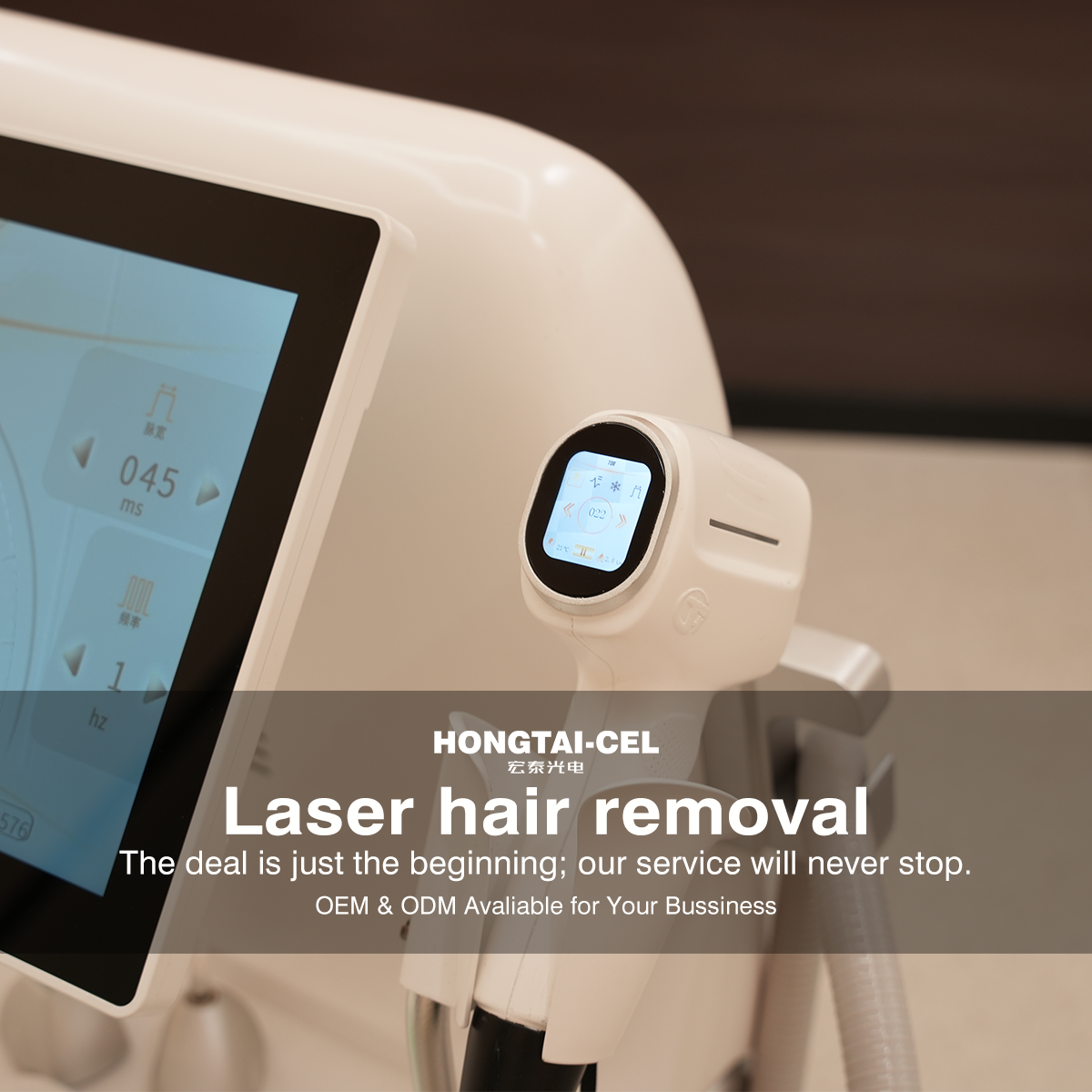
The aesthetic and medical device industry has witnessed significant technological advances in recent years, with types of laser hair removal emerging as one of the most sought-after treatments for practitioners and clinics worldwide. Understanding the distinct advantages of different types of laser hair removal devices is essential for making informed purchasing decisions and delivering optimal results to your clientele. Each category of types of laser hair removal technology offers unique benefits, operational characteristics, and clinical outcomes that directly impact treatment efficacy, patient satisfaction, and business profitability.

Medical professionals and clinic owners who evaluate types of laser hair removal solutions must consider technological capabilities, market demand, treatment versatility, and return on investment. The landscape of types of laser hair removal has expanded dramatically, offering multiple modalities that cater to different skin types, hair textures, and clinical requirements. By examining the specific advantages of each category within types of laser hair removal, practitioners can strategically select equipment that maximizes therapeutic outcomes while building a competitive advantage in their market segment.
Core Technology Advantages in Types of Laser Hair Removal
Diode Laser Technology Benefits
Diode laser systems represent a cornerstone technology within types of laser hair removal, delivering remarkable precision and effectiveness across diverse patient populations. The primary advantage of diode laser among types of laser hair removal is its ability to penetrate deeper into melanin-rich hair follicles while maintaining relative safety for surrounding skin structures. Practitioners utilizing diode laser variants within types of laser hair removal consistently report faster treatment cycles, reduced post-treatment recovery times, and minimal adverse reactions compared to older modalities.
The operational efficiency inherent in modern diode laser systems positions them favorably within types of laser hair removal for high-volume clinical settings. These devices deliver superior energy distribution, allowing practitioners to treat larger surface areas in shorter timeframes, which directly translates to increased patient throughput and revenue per treatment session. Additionally, the wavelength characteristics of diode laser technology ensure that types of laser hair removal using this method can effectively target hair across multiple skin tones, expanding the addressable patient demographic significantly.
Alexandrite and Nd:YAG Laser Advantages
Within the spectrum of types of laser hair removal, alexandrite lasers have established themselves as versatile instruments capable of delivering rapid treatment parameters without compromising safety protocols. The shorter wavelength of alexandrite technology enables practitioners specializing in types of laser hair removal to treat lighter skin tones with exceptional precision, while the enhanced absorption characteristics allow for more selective photothermolysis of hair follicles. This specificity reduces collateral damage to surrounding tissues, making alexandrite-based types of laser hair removal particularly valuable in sensitive anatomical regions.
Nd:YAG systems within types of laser hair removal serve as the preferred choice for practitioners treating darker skin tones and patients with compromised skin conditions. The longer wavelength penetration characteristic of Nd:YAG technology means that types of laser hair removal employing this modality can safely navigate the pigmentation challenges that have historically limited treatment options for heavily melanized individuals. Practices that invest in Nd:YAG-based types of laser hair removal equipment position themselves to serve underserved patient populations, creating significant market differentiation and patient loyalty.
Clinical Performance and Patient Outcome Advantages
Treatment Efficacy and Speed
The competitive advantages offered by contemporary types of laser hair removal extend substantially into clinical performance metrics that directly influence patient satisfaction and referral generation. Modern types of laser hair removal devices deliver superior energy delivery consistency, enabling practitioners to achieve permanent hair reduction results in fewer treatment sessions compared to historical standards. This efficiency advantage translates into tangible patient benefits, including reduced treatment costs, faster achievement of desired outcomes, and higher compliance with complete treatment protocols.
Practitioners leveraging optimized types of laser hair removal technology witness enhanced treatment repeatability and predictability across their patient population. The sophisticated cooling systems integrated into contemporary types of laser hair removal equipment allow for more aggressive energy parameters without excessive thermal discomfort, enabling faster cycle times while maintaining safety standards. This performance advantage contributes directly to clinic profitability, as practitioners can schedule more patients per day without compromising results quality or patient experience.
Versatility Across Applications
One of the most compelling advantages distinguishing premium types of laser hair removal systems is their capacity to address multiple aesthetic concerns beyond traditional hair removal applications. Advanced types of laser hair removal devices can be configured for diverse clinical scenarios, including facial hair management, body hair reduction, specialized applications in sensitive areas, and integration with comprehensive aesthetic treatment protocols. This versatility ensures that types of laser hair removal equipment represents a flexible investment that can generate revenue across multiple service categories and patient demographics.
Practices that strategically select multi-application-capable types of laser hair removal systems optimize their capital equipment investments and maximize lifetime revenue generation per device. The ability to pivot types of laser hair removal applications based on patient demand, seasonal trends, and market opportunities provides practitioners with business resilience and adaptability. Clinics equipped with versatile types of laser hair removal technology can more effectively compete across diverse market segments and physician specializations.
Investment and Business Model Advantages
Economic Efficiency and Return on Investment
The economic calculus surrounding types of laser hair removal investment decisions centers on multiple performance and operational variables that compound over the device's operational lifespan. Premium types of laser hair removal systems deliver superior energy efficiency, translating into lower operational costs per treatment and improved contribution margins on each patient procedure. Practices that evaluate types of laser hair removal options through a total cost of ownership framework discover that investing in advanced technology often yields faster payback periods and superior long-term profitability compared to budget-oriented alternatives.
Maintenance and longevity characteristics significantly influence the true economic advantage of different types of laser hair removal technology categories. Contemporary types of laser hair removal devices incorporate engineered reliability features that minimize downtime, extend operational intervals between service maintenance, and reduce consumable costs per treatment. Practices that prioritize types of laser hair removal systems with superior durability and operational efficiency profiles optimize their capital equipment strategy and protect profitability across extended time horizons.
Market Positioning and Competitive Advantage
Clinics that strategically invest in leading-edge types of laser hair removal technology establish compelling market positioning advantages that justify premium pricing and attract patient volume growth. The perceived quality, safety profile, and results-oriented reputation associated with premium types of laser hair removal devices generate marketing leverage that extends beyond the equipment itself into broader clinical brand perception. Practices equipped with advanced types of laser hair removal systems can command superior treatment pricing, build patient loyalty through superior outcomes, and generate organic referral momentum through word-of-mouth satisfaction.
The strategic importance of selecting appropriate types of laser hair removal equipment extends into practitioner recruitment and retention strategies, as qualified professionals increasingly seek clinical environments equipped with advanced technology. Practices featuring state-of-the-art types of laser hair removal systems attract experienced clinicians and support staff, reducing recruitment friction and enabling faster team onboarding. This human capital advantage, combined with the technological advantages inherent in premium types of laser hair removal systems, creates compounding competitive benefits that strengthen market position over extended periods.
FAQ
What distinguishes the advantages of different types of laser hair removal technologies?
The fundamental distinctions among types of laser hair removal rest in wavelength characteristics, penetration depth, melanin absorption profiles, and safety parameters across varying skin tones. Diode lasers offer versatility and speed advantages, alexandrite systems excel at precision and rapid treatment parameters, while Nd:YAG technology serves patients with darker complexions and challenging skin conditions. Understanding these technical differentiators enables practitioners to select types of laser hair removal equipment that precisely matches their patient demographic, treatment philosophy, and business objectives.
How do types of laser hair removal device advantages impact patient treatment outcomes?
The advantages embedded within different types of laser hair removal systems directly translate into superior patient outcomes through faster treatment cycles, fewer sessions required to achieve permanent hair reduction, and enhanced safety profiles. Contemporary types of laser hair removal devices deliver more consistent energy distribution and intelligent cooling mechanisms that minimize discomfort while maximizing follicular destruction efficiency. Patients treated with optimized types of laser hair removal technology experience faster result achievement, superior comfort during procedures, and higher satisfaction rates that generate referral growth and repeat business expansion.
Which types of laser hair removal offer the best return on investment for clinical practices?
The optimal types of laser hair removal investment selection depends on specific practice demographics, treatment volume projections, and revenue growth targets, but generally, versatile systems with proven durability and strong patient outcome records deliver superior financial performance. Practices should evaluate types of laser hair removal options through total cost of ownership analysis, considering energy efficiency, maintenance requirements, treatment speed capabilities, and versatility across multiple revenue applications. Types of laser hair removal systems that combine proven technology with manageable operational complexity typically generate faster payback periods and maximize long-term profitability for progressive practices seeking sustainable growth.