
 EN


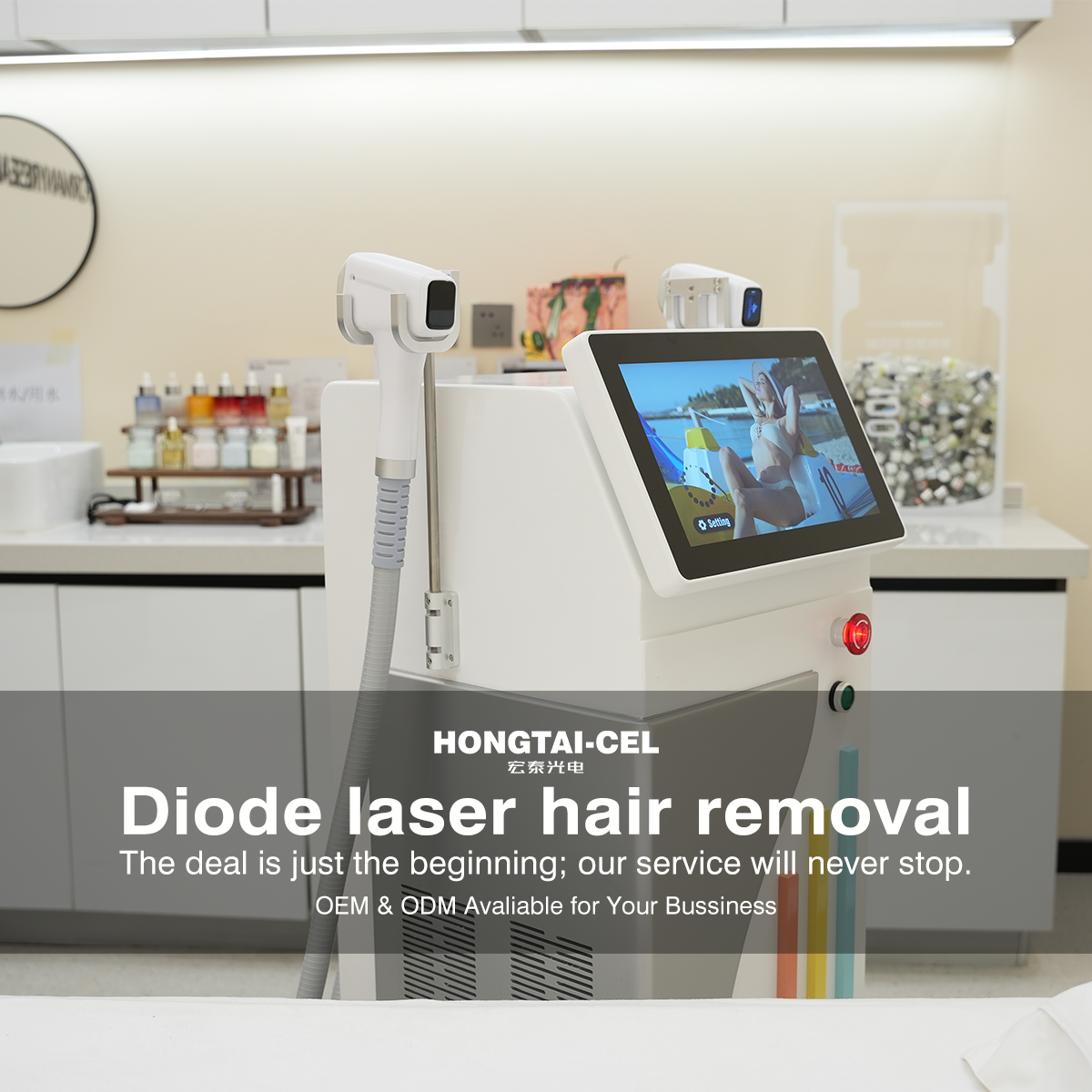
Proper maintenance of types of laser hair removal systems is essential for clinics, spas, and dermatology practices seeking to maximize equipment lifespan and treatment efficacy. Different types of laser hair removal operate using distinct wavelengths and cooling mechanisms, each demanding specific care protocols to prevent costly breakdowns and ensure consistent patient results. Understanding the unique maintenance requirements for each types of laser hair removal technology protects your investment and sustains competitive service quality in an increasingly competitive aesthetic market.

The three main types of laser hair removal—diode, alexandrite, and Nd:YAG—each require tailored maintenance routines. Diode lasers operate at 810 nanometers and use semiconductor technology, making them highly efficient for diverse skin types. Alexandrite systems, operating at 755 nanometers, offer rapid treatment cycles ideal for larger treatment areas. Nd:YAG lasers function at 1064 nanometers, penetrating deeper for coarser hair and darker skin tones. Recognizing these distinctions is the first step toward implementing maintenance practices that preserve each system's performance characteristics and extend operational reliability.
Understanding System-Specific Maintenance Needs for Types of Laser Hair Removal
Diode Laser Hair Removal System Upkeep
Diode types of laser hair removal systems require consistent attention to cooling components and optical surfaces. The semiconductor diodes within these systems generate significant heat during operation, demanding effective cooling fluid circulation and fan functionality. Regularly inspect cooling lines for blockages, kinks, or fluid leaks that compromise heat dissipation. Flush and replace cooling fluid according to manufacturer specifications, typically every 6 to 12 months, to prevent mineral buildup that reduces cooling efficiency and increases system temperature.
Optical surfaces on diode types of laser hair removal equipment must remain clean and free from dust, salt residue, or moisture. Use only manufacturer-approved lens cleaning solutions and soft microfiber cloths to avoid scratching optical coatings. Inspect handpiece sapphire windows before each use; any cracks or degradation compromise beam quality and patient safety. Keep handpieces in protected storage, away from temperature fluctuations and humidity, since these affect laser alignment and delivery precision essential to achieving uniform treatment results across types of laser hair removal applications.
Alexandrite Laser Hair Removal Maintenance
Alexandrite types of laser hair removal systems depend on flashlamp or diode pumping to excite alexandrite crystals and generate laser output. The flashlamp represents a consumable component requiring periodic replacement, typically after 10 million to 50 million pulses depending on the device. Monitor treatment counts religiously and schedule proactive lamp replacement before output degrades, preventing mid-treatment failures and maintaining consistent efficacy across all types of laser hair removal sessions. Unexplained energy drops signal flashlamp degradation and necessitate immediate inspection.
Crystal alignment is critical for types of laser hair removal alexandrite systems, as mechanical vibration and thermal expansion can gradually misalign optical components. Vibration from continuous operation, nearby equipment movement, or facility-level disturbances forces realignment protocols every 6 to 12 months through qualified service technicians. Water circulation systems cooling the alexandrite crystal must be monitored for purity and flow rate; contaminated or stagnant water promotes crystal degradation and alters beam homogeneity. Establish a preventive maintenance calendar that includes professional alignment checks and water quality testing to sustain the reliable performance types of laser hair removal demand.
Operational Protocols Preserving Types of Laser Hair Removal Performance
Daily and Weekly Maintenance Routines
Establishing daily maintenance routines extends the service life of any types of laser hair removal system. Before operating sessions begin, visually inspect handpiece connectors for corrosion or loose contacts that degrade energy transmission. Test beam output at baseline power settings and verify that spot size accuracy matches system specifications; deviations signal optical misalignment requiring professional service. Clean all external surfaces with appropriate disinfectant solutions that do not corrode metal or damage electronic components, maintaining infection control standards alongside equipment integrity for types of laser hair removal operations.
Weekly protocols for types of laser hair removal maintenance should include deeper inspections of cooling systems, electrical connections, and treatment counters. Document treatment pulse counts and energy outputs in maintenance logs; this historical data reveals performance trends and predicts component failures before they disrupt clinical schedules. Check footswitches, display screens, and safety interlock mechanisms for proper function. Verify that types of laser hair removal equipment passes all automated self-diagnostic tests; modern systems flag component failures automatically, but manual verification ensures detection of emerging issues before service interruption.
Quarterly Professional Servicing
Quarterly professional maintenance by certified technicians represents essential preventive care for types of laser hair removal systems. These visits include comprehensive electrical safety testing, optical alignment verification, and component replacement according to manufacturer protocols. Professional technicians calibrate energy delivery to ensure stated wattage matches actual output, preventing underdosing that reduces treatment effectiveness or overdosing that risks patient safety. They also inspect internal optics through specialized equipment, detecting dust contamination or coating degradation invisible to clinical staff during routine operations of types of laser hair removal devices.
Establishing service contracts with equipment manufacturers or authorized providers ensures access to genuine parts and expert expertise specific to your types of laser hair removal system model. Service contracts often include priority scheduling during busy periods and discounted component replacement, reducing total cost of ownership. Maintain detailed service records documenting all maintenance activities, component replacements, and performance metrics; these records support warranty claims and demonstrate diligent equipment stewardship should issues arise. Types of laser hair removal systems backed by documented maintenance histories command higher resale value when upgrading to newer technology.
Troubleshooting Common Issues Across Types of Laser Hair Removal Equipment
Energy Output Degradation in Types of Laser Hair Removal
Gradual energy decline across types of laser hair removal systems often originates from cooling system failures, optical contamination, or flashlamp degradation. Begin troubleshooting by checking cooling fluid levels and circulation indicators; low fluid or blocked passages prevent effective heat dissipation, causing the system to throttle output as a protective measure. Clean optical surfaces thoroughly and inspect for damage; even microscopic dust accumulation reduces beam transmission efficiency. If output remains low after cleaning and cooling verification, flashlamp age or crystal misalignment likely requires professional service to restore types of laser hair removal performance.
Handpiece and Connector Problems
Handpiece connectivity issues frequently plague types of laser hair removal clinics when connectors corrode or contacts fail to transmit energy properly. Inspect connector pins and sockets for oxidation or physical damage; corrosion prevention requires regular cleaning and application of protective contact lubricants recommended by manufacturers. If handpieces deliver inconsistent energy despite clean connectors, internal diode or component failure within the handpiece may necessitate replacement or repair. Never attempt internal repairs on types of laser hair removal handpieces, as misalignment during reassembly renders equipment unsafe and voids warranties.
FAQ
How often should types of laser hair removal systems receive professional maintenance?
Professional maintenance for types of laser hair removal equipment should occur quarterly at minimum, with additional servicing triggered by performance changes or manufacturer recalls. High-volume clinics performing 20+ treatments daily may benefit from semi-annual or even monthly professional checks to detect early component wear. Establish a maintenance calendar synchronized with your facility's operational schedule to minimize downtime during busy periods. Your equipment vendor can recommend optimal servicing intervals based on usage patterns and system age specific to your types of laser hair removal equipment.
What causes premature failure in types of laser hair removal devices?
Neglected cooling systems represent the primary cause of premature failure across types of laser hair removal equipment, as overheating forces protective shutdowns and accelerates component degradation. Environmental factors including excessive humidity, temperature fluctuations, and dust contamination damage optical surfaces and electronic components. Improper handpiece storage and rough handling create internal misalignments that degrade beam delivery and energy transmission. Inadequate electrical grounding or exposure to power surges damages sensitive electronics. Choosing types of laser hair removal systems housed in climate-controlled facilities with proper electrical infrastructure and documented maintenance protocols significantly extends equipment longevity.
Can different types of laser hair removal systems use interchangeable handpieces?
No, handpieces are not interchangeable between different types of laser hair removal systems due to distinct optical designs and energy transmission requirements. Diode handpieces employ different wavelength delivery mechanisms than alexandrite or types of laser hair removal Nd:YAG systems, making cross-compatibility impossible. Attempting to use incompatible handpieces damages both the handpiece and base unit while compromising patient safety. Always purchase replacement handpieces directly from your equipment manufacturer to ensure compatibility with your specific types of laser hair removal system model. Authorized vendors verify proper specifications before shipment.