
 EN
EN



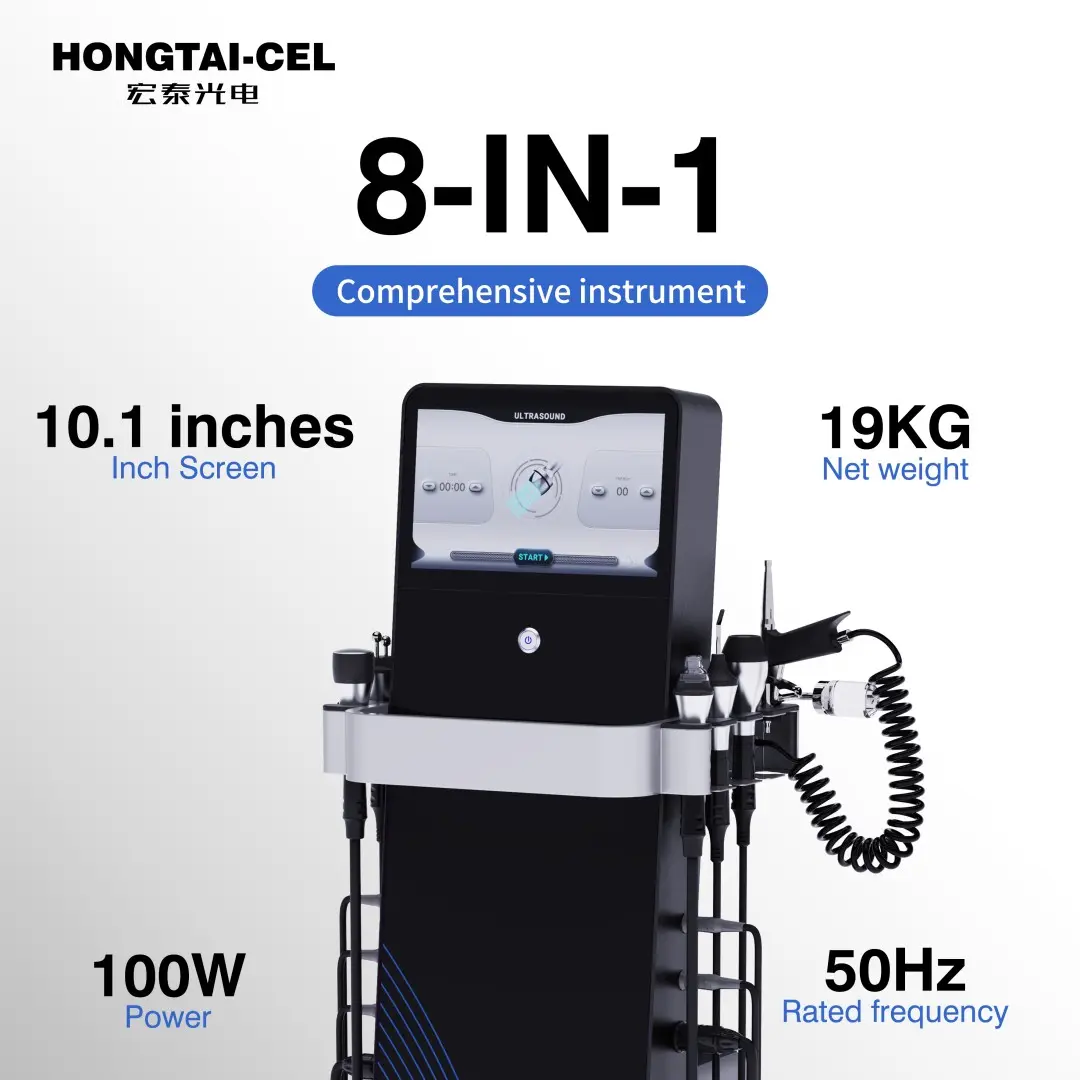
Beauty device quality stands as the cornerstone of success in today's competitive aesthetics market. A beauty device manufacturer must navigate complex technical requirements, regulatory compliance, and customer expectations while maintaining consistent product excellence. The process involves sophisticated quality assurance protocols that begin during initial design phases and continue throughout the entire product lifecycle.
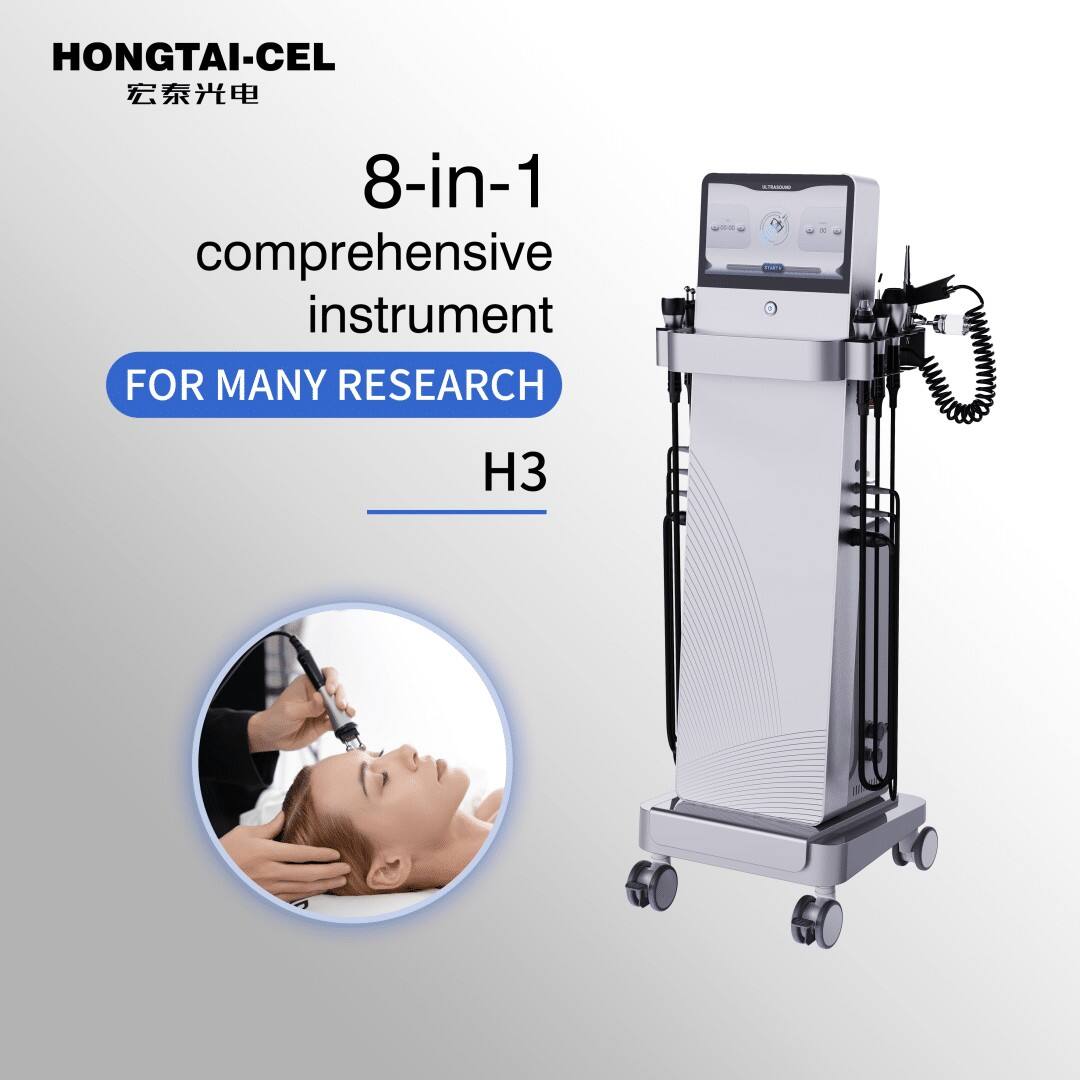
The quality assurance journey for any reputable beauty device manufacturer encompasses multiple interconnected systems designed to eliminate defects, ensure safety, and deliver consistent performance. These manufacturers implement rigorous testing procedures, maintain strict material standards, and establish comprehensive documentation processes that create accountability at every production stage. Understanding these quality mechanisms helps businesses make informed decisions when selecting manufacturing partners for aesthetic equipment.
Design Phase Quality Controls
Component Selection and Material Standards
A professional beauty device manufacturer begins quality assurance during the initial design phase by establishing strict material selection criteria. This process involves evaluating raw materials for biocompatibility, durability, and performance consistency under various operating conditions. The manufacturer conducts thorough supplier audits to ensure component suppliers maintain ISO certifications and follow documented quality management systems.
Material testing protocols include chemical composition analysis, mechanical stress testing, and long-term stability assessments. These evaluations help the beauty device manufacturer identify potential failure points before they affect production quality. Advanced manufacturers maintain approved vendor lists and require incoming material certificates that verify compliance with established specifications.
The design team collaborates closely with quality engineers to implement design for manufacturability principles. This approach ensures that product designs can be consistently reproduced while maintaining quality standards throughout high-volume production runs.
Prototype Development and Validation
Prototype development serves as a critical quality checkpoint where the beauty device manufacturer validates design concepts against real-world performance requirements. Multiple prototype iterations undergo comprehensive testing that simulates extended use conditions, environmental stress, and operational parameters expected during commercial deployment.
Each prototype generation receives detailed performance analysis including electrical safety testing, thermal management evaluation, and user interface functionality verification. The manufacturer documents all test results and design modifications to create a comprehensive development history that supports regulatory submissions and quality documentation.
Validation testing extends beyond basic functionality to include electromagnetic compatibility, mechanical reliability, and software performance under various load conditions. This thorough approach helps the beauty device manufacturer identify and resolve quality issues before committing to production tooling investments.
Production Quality Management Systems
Manufacturing Process Controls
Production quality begins with implementing standardized manufacturing processes that eliminate variability and ensure consistent output quality. A reliable beauty device manufacturer establishes detailed work instructions, implements statistical process control methods, and maintains calibrated measurement equipment throughout the production environment.
Process control involves continuous monitoring of critical parameters such as assembly torque specifications, electrical test results, and dimensional measurements. Automated data collection systems track these parameters in real-time, triggering immediate corrective actions when measurements drift outside acceptable tolerances.
The manufacturing team receives comprehensive training on quality procedures and maintains competency certifications for critical assembly operations. This ensures that human factors contributing to quality variations are minimized through consistent application of proven assembly techniques.
Production line layout and workflow design incorporate quality checkpoints at strategic intervals to catch potential defects before they progress to subsequent assembly stages. This approach reduces rework costs and prevents defective products from reaching final inspection stages.
In-Process Inspection and Testing
Systematic in-process inspection creates multiple opportunities for the beauty device manufacturer to identify and correct quality deviations before they impact finished product quality. Inspection stations include both automated testing equipment and skilled technician verification points that evaluate different quality attributes.
Electrical testing protocols verify that each device meets specified performance parameters including power output, frequency accuracy, and safety isolation requirements. These tests utilize calibrated instrumentation that receives regular maintenance and calibration verification to ensure measurement accuracy.
Mechanical assembly inspection focuses on dimensional accuracy, surface finish quality, and proper component installation. Visual inspection criteria are clearly documented with photographic standards that eliminate subjective interpretation of acceptance criteria.
Software functionality testing ensures that control interfaces operate correctly and that safety interlocks function as designed. The beauty device manufacturer maintains detailed test scripts that verify all software features under normal and fault conditions.
Quality Assurance Testing Protocols
Performance Verification Testing
Comprehensive performance testing validates that finished devices meet all specified technical requirements and operate safely under intended use conditions. A responsible beauty device manufacturer implements both standard performance tests and application-specific evaluations that simulate actual clinical or salon environments.
Performance testing includes output power verification, treatment uniformity assessment, and temporal stability measurements over extended operating periods. These tests utilize precision instrumentation and standardized test procedures that ensure reproducible results across different production batches.
Thermal performance evaluation verifies that devices operate within safe temperature ranges and that thermal management systems function effectively during continuous operation cycles. This testing helps prevent overheating issues that could affect device longevity or user safety.
User interface testing confirms that control systems respond correctly to operator inputs and provide accurate feedback regarding device status and treatment parameters. The beauty device manufacturer validates that displays remain readable under various lighting conditions and that control buttons provide appropriate tactile feedback.
Safety and Regulatory Compliance Testing
Safety compliance testing ensures that devices meet applicable regulatory standards and pose minimal risk to operators and clients. This testing covers electrical safety, electromagnetic compatibility, and mechanical safety requirements as defined by relevant international standards.
Electrical safety testing includes insulation resistance measurements, leakage current verification, and ground continuity testing that validates proper electrical isolation between patient-accessible surfaces and internal electrical circuits. The beauty device manufacturer maintains detailed test records that support regulatory submissions and customer safety documentation.
Electromagnetic compatibility testing verifies that devices neither emit excessive electromagnetic interference nor are susceptible to interference from other electronic equipment commonly found in salon or clinical environments.
Mechanical safety evaluation includes stress testing of movable components, verification of safety guard effectiveness, and assessment of potential pinch points or sharp edges that could cause operator injury. These evaluations help the beauty device manufacturer identify and eliminate potential safety hazards before product release.
Documentation and Traceability Systems
Quality Record Management
Comprehensive documentation systems enable the beauty device manufacturer to maintain complete traceability from raw material receipt through final product delivery. These systems capture critical quality data at each production stage and provide the foundation for continuous improvement initiatives.
Quality records include incoming material certificates, in-process test results, final inspection data, and calibration records for all measurement equipment. Digital documentation systems ensure that records remain accessible and searchable while preventing unauthorized modifications to historical data.
Batch tracking systems link specific devices to the materials and processes used during their manufacture. This capability enables rapid identification of potentially affected products if quality issues are discovered after shipment, supporting effective corrective action implementation.
Document control procedures ensure that production personnel always access current versions of work instructions, test procedures, and quality specifications. The beauty device manufacturer maintains change control systems that prevent unauthorized modifications to quality-critical documents.
Corrective and Preventive Action Systems
Structured corrective and preventive action systems enable the beauty device manufacturer to systematically address quality issues and prevent their recurrence. These systems include root cause analysis procedures, effectiveness verification methods, and continuous monitoring protocols.
When quality issues are identified, investigation teams utilize statistical analysis tools and failure analysis techniques to determine underlying causes rather than addressing only visible symptoms. This approach ensures that corrective actions address fundamental problems and prevent similar issues in the future.
Preventive action programs analyze quality trends and production data to identify potential problems before they result in defective products. The beauty device manufacturer implements process improvements and enhanced controls based on this analysis to continuously strengthen quality assurance capabilities.
Effectiveness verification procedures confirm that implemented corrective actions successfully resolve identified issues and that preventive actions achieve their intended improvements. Regular review cycles ensure that quality systems remain current and effective as production volumes and product complexity evolve.
FAQ
What certifications should a beauty device manufacturer have for quality assurance?
A reputable beauty device manufacturer should maintain ISO 13485 certification for medical device quality management systems, along with relevant electrical safety certifications such as IEC 60601 compliance. Additional certifications may include ISO 9001 for general quality management and specific regulatory approvals like FDA registration or CE marking depending on target markets. These certifications demonstrate commitment to systematic quality management and regulatory compliance.
How often should quality testing be performed during production?
Quality testing frequency depends on production volume and risk assessment, but typically includes 100% final functional testing for all devices, statistical sampling for in-process inspections, and daily calibration verification for critical measurement equipment. The beauty device manufacturer should establish sampling plans based on statistical confidence requirements and regulatory guidelines for the specific device category.
What documentation is required to demonstrate quality assurance effectiveness?
Essential quality documentation includes design controls records, validation and verification test results, production batch records, supplier qualification documentation, and corrective action histories. The beauty device manufacturer must also maintain calibration records for test equipment, training records for quality personnel, and traceability documentation linking finished products to raw materials and production processes. This documentation supports regulatory compliance and enables effective quality system audits.
How does a beauty device manufacturer handle quality issues discovered after shipment?
Post-shipment quality issues require immediate investigation to determine scope and severity, followed by customer notification and corrective action implementation. The beauty device manufacturer should have established procedures for product recalls if necessary, customer communication protocols, and field corrective action capabilities. Traceability systems enable rapid identification of affected products, while corrective action procedures ensure that root causes are addressed to prevent recurrence.
Table of Contents
- Design Phase Quality Controls
- Production Quality Management Systems
- Quality Assurance Testing Protocols
- Documentation and Traceability Systems
-
FAQ
- What certifications should a beauty device manufacturer have for quality assurance?
- How often should quality testing be performed during production?
- What documentation is required to demonstrate quality assurance effectiveness?
- How does a beauty device manufacturer handle quality issues discovered after shipment?