
 EN
EN


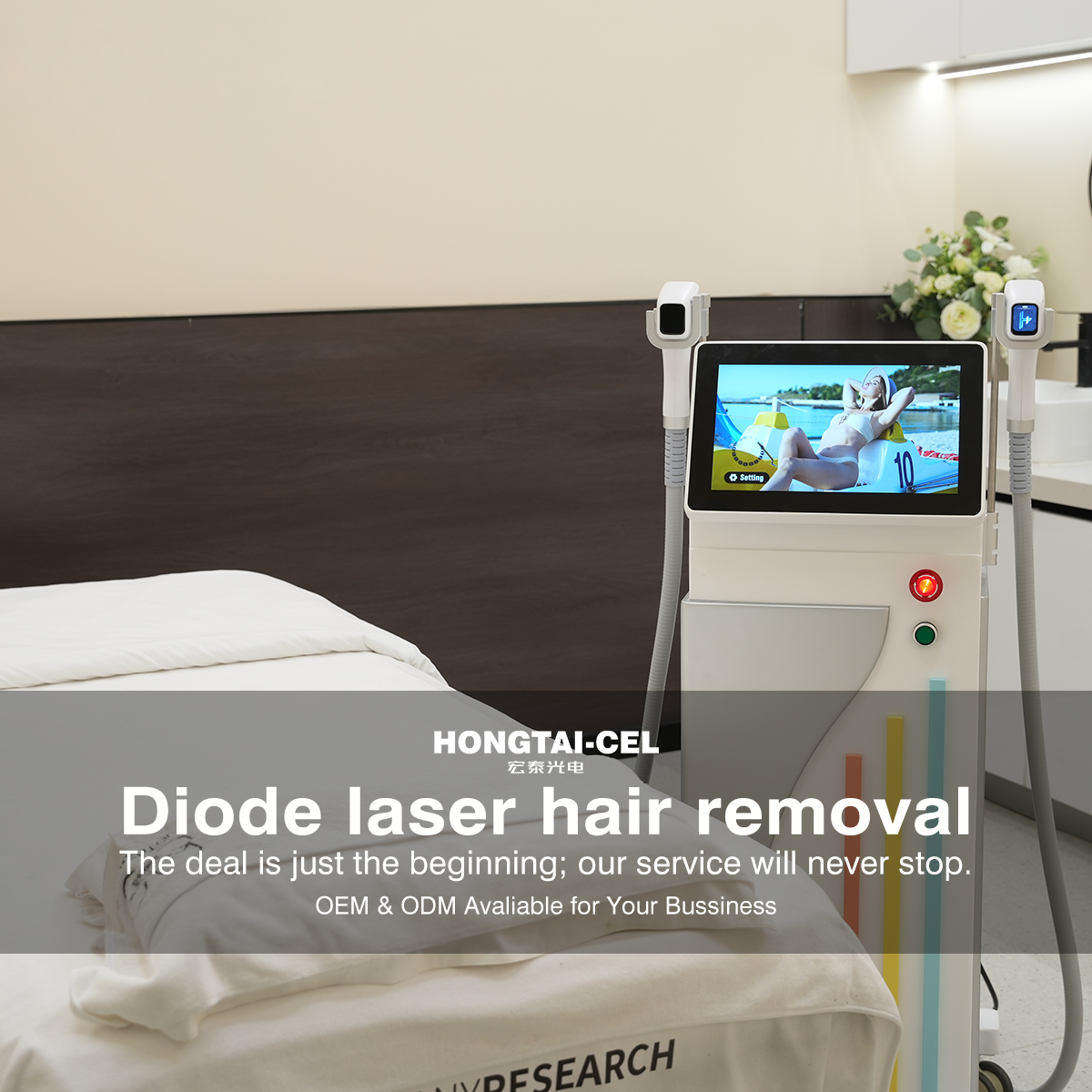
Selecting the right diode laser hair removal machine represents one of the most critical investments for aesthetic clinics, medical spas, and dermatology practices. The decision impacts treatment effectiveness, client satisfaction, operational efficiency, and long-term profitability. With numerous models flooding the market, each claiming superior performance, practitioners need systematic evaluation criteria to identify equipment that delivers consistent results while meeting specific practice requirements.

The process of choosing an optimal diode laser hair removal machine requires understanding technical specifications, regulatory compliance, safety features, and operational considerations that directly influence treatment outcomes. Modern systems offer varying wavelength combinations, cooling technologies, and treatment protocols that must align with your patient demographics, treatment volume expectations, and clinical objectives. This comprehensive evaluation framework ensures practitioners make informed decisions based on measurable performance criteria rather than marketing claims.
Technical Specifications Analysis
Wavelength Configuration Requirements
The wavelength capabilities of a diode laser hair removal machine determine treatment versatility across different skin types and hair characteristics. Most professional-grade systems offer 755nm, 808nm, and 1064nm wavelengths, with each targeting specific melanin absorption patterns and penetration depths. The 755nm wavelength provides excellent absorption in lighter skin tones with fine hair, while 808nm delivers optimal balance for most skin types, and 1064nm ensures safe treatment for darker skin tones.
Combination wavelength systems offer practitioners flexibility to customize treatments based on individual patient needs. The ability to adjust wavelength selection during treatment sessions allows for precise targeting of different hair follicle depths and densities within the same treatment area. This adaptability becomes particularly valuable when treating patients with varied hair characteristics or those requiring maintenance sessions with different parameters.
Energy density control represents another crucial wavelength-related factor. Professional diode laser hair removal machine systems should provide adjustable fluence levels ranging from 10-50 J/cm² to accommodate different treatment protocols and patient comfort levels. This range ensures effective follicle destruction while maintaining safety margins for various skin types.
Cooling System Performance
Advanced cooling technology distinguishes professional-grade diode laser hair removal machine models from basic systems. Contact cooling through sapphire tips maintains consistent skin surface temperature during energy delivery, preventing thermal damage while ensuring patient comfort. The cooling system should maintain temperatures between -5°C to 5°C throughout extended treatment sessions without performance degradation.
Integrated cooling systems offer several advantages over external cooling methods. Built-in cooling mechanisms provide immediate temperature regulation without interrupting treatment flow, maintaining consistent patient comfort and allowing for higher energy densities when clinically appropriate. The cooling system's reliability directly impacts treatment safety and patient acceptance of subsequent sessions.
Air cooling systems complement contact cooling by maintaining optimal internal component temperatures during high-volume treatment days. This dual cooling approach ensures consistent laser performance and extends equipment lifespan. Practices with high patient volumes should prioritize diode laser hair removal machine models with robust cooling systems that maintain performance during continuous operation.
Treatment Efficiency Considerations
Spot Size Optimization
Spot size selection significantly impacts treatment speed and coverage efficiency. Larger spot sizes, typically ranging from 12mm x 24mm to 15mm x 35mm, enable faster treatment of large body areas while maintaining uniform energy distribution. The optimal spot size balances treatment speed with precise energy delivery, particularly important for challenging anatomical areas requiring careful navigation.
Dual-handle configurations provide operational flexibility by offering different spot sizes for varied treatment areas. Smaller handles excel in facial treatments and detailed body contouring, while larger handles expedite treatments on legs, back, and chest areas. This versatility allows practices to optimize treatment protocols for different patient needs without compromising efficiency or effectiveness.
The relationship between spot size and energy uniformity affects treatment outcomes. Quality diode laser hair removal machine systems maintain consistent energy distribution across the entire spot area, preventing hot spots that could cause discomfort or uneven results. Uniform energy distribution ensures predictable treatment responses and reduces the likelihood of missed areas requiring additional sessions.
Pulse Duration Control
Adjustable pulse duration capabilities enable practitioners to customize treatment parameters for optimal follicle destruction while minimizing surrounding tissue damage. Pulse widths typically range from 10-400 milliseconds, allowing for precise thermal control based on hair follicle characteristics and treatment objectives. Shorter pulses provide precise energy delivery for fine hair, while longer pulses accommodate coarse hair treatment requirements.
The ability to modify pulse duration during treatment sessions provides real-time optimization opportunities. Experienced practitioners can adjust parameters based on patient response, skin reaction, and hair density variations within treatment areas. This dynamic control enhances treatment customization and improves overall outcomes across diverse patient populations.
Pulse frequency settings influence treatment comfort and efficiency. Higher repetition rates enable faster coverage while maintaining therapeutic energy levels. Modern diode laser hair removal machine systems offer repetition rates up to 10 Hz, allowing for smooth, continuous treatment motion that reduces session duration and improves patient experience.
Safety and Regulatory Compliance
FDA Approval and Certification Standards
FDA clearance represents the minimum regulatory requirement for professional diode laser hair removal machine systems in medical and aesthetic practices. Class II medical device classification ensures equipment meets safety and efficacy standards through rigorous testing protocols. Practitioners should verify FDA clearance numbers and confirm ongoing compliance with current regulatory requirements before equipment purchase.
International certification standards, including CE marking for European markets and Health Canada approval, indicate broader regulatory compliance and quality assurance. These certifications often require more stringent testing protocols and demonstrate manufacturer commitment to global safety standards. Equipment with multiple regulatory approvals typically offers greater reliability and broader technical support networks.
Clinical study documentation supporting regulatory approvals provides valuable insight into expected treatment outcomes and safety profiles. Peer-reviewed studies demonstrating efficacy across different skin types and hair characteristics help practitioners set realistic patient expectations and develop appropriate treatment protocols. This clinical evidence base supports informed consent processes and risk management strategies.
Built-in Safety Features
Skin contact sensors prevent accidental energy discharge when the handpiece loses contact with treatment surfaces. This safety mechanism protects both practitioners and patients from unintended exposure while ensuring consistent energy delivery during treatment sessions. Quality diode laser hair removal machine models incorporate reliable contact sensors that respond immediately to handpiece positioning changes.
Emergency stop functions provide immediate system shutdown capabilities in case of unexpected patient reactions or equipment malfunctions. Easily accessible emergency controls should be positioned within reach of both operator and patient, allowing for rapid response to any concerning situations. This safety feature represents essential risk management for all laser treatments.
Automatic calibration systems maintain consistent energy output and safety parameters throughout the equipment's operational lifespan. Regular self-calibration prevents performance drift that could compromise treatment effectiveness or safety. Advanced systems provide calibration alerts and maintenance scheduling to ensure optimal performance and regulatory compliance.
Operational and Economic Factors
Treatment Volume Capacity
Daily treatment capacity requirements influence diode laser hair removal machine selection based on practice volume and growth projections. High-volume practices require systems with robust duty cycles capable of continuous operation without performance degradation. Equipment specifications should clearly indicate maximum daily treatment time and recommended maintenance intervals to ensure sustainable operations.
Energy consumption patterns affect operational costs and environmental impact over the equipment's lifespan. Energy-efficient systems reduce utility expenses while demonstrating environmental responsibility. Practices should evaluate power requirements, cooling system energy consumption, and standby power usage when calculating total operational costs and facility infrastructure requirements.
Maintenance requirements and service accessibility directly impact equipment uptime and long-term operational efficiency. Predictive maintenance capabilities alert operators to potential issues before equipment failure, minimizing treatment disruptions. Service network availability and response times become critical factors for practices dependent on consistent equipment availability for patient scheduling commitments.
Return on Investment Analysis
Treatment pricing optimization depends on equipment capabilities, operational efficiency, and local market conditions. Higher-performance diode laser hair removal machine systems often justify premium pricing through superior results, faster treatment times, and enhanced patient satisfaction. Practices should calculate break-even timeframes based on realistic patient volume projections and competitive pricing analysis.
Equipment financing options and warranty terms affect cash flow management and risk mitigation strategies. Extended warranty coverage protects against unexpected repair costs while financing arrangements preserve working capital for marketing and operational expenses. Total cost of ownership calculations should include financing costs, maintenance expenses, and upgrade pathway considerations.
Market positioning opportunities arise from advanced equipment capabilities that differentiate practices from competitors. Cutting-edge diode laser hair removal machine features enable premium service positioning and expanded treatment offerings. This differentiation supports higher pricing strategies and attracts quality-conscious patients willing to invest in superior treatment experiences.
FAQ
What wavelength combination works best for diverse patient populations?
Triple wavelength systems offering 755nm, 808nm, and 1064nm provide optimal versatility for treating all skin types safely and effectively. The 755nm targets lighter skin with fine hair, 808nm serves as the gold standard for most patients, and 1064nm ensures safe treatment for darker skin tones. This combination allows practitioners to customize treatments based on individual patient characteristics rather than limiting their practice to specific demographics.
How important is cooling technology in diode laser hair removal machine performance?
Advanced cooling systems are essential for patient comfort, treatment safety, and enabling higher energy densities for improved results. Contact cooling maintains skin surface temperature during energy delivery, while integrated air cooling prevents equipment overheating during high-volume treatment days. Quality cooling technology distinguishes professional-grade systems from basic equipment and directly impacts treatment outcomes and patient satisfaction.
What factors determine the ideal spot size for different treatment areas?
Spot size selection balances treatment speed with precision requirements for specific body areas. Larger spots (12mm x 24mm or larger) expedite treatments on legs, back, and chest, while smaller spots provide better control for facial treatments and detailed body contouring. Dual-handle systems offering multiple spot sizes provide operational flexibility without requiring separate equipment purchases.
How do FDA clearance requirements affect diode laser hair removal machine selection?
FDA clearance ensures equipment meets rigorous safety and efficacy standards required for professional use in medical and aesthetic practices. Class II medical device certification provides legal compliance and demonstrates clinical evidence supporting treatment claims. Practitioners should verify current FDA clearance status and review clinical study documentation supporting regulatory approval before equipment purchase decisions.
Table of Contents
- Technical Specifications Analysis
- Treatment Efficiency Considerations
- Safety and Regulatory Compliance
- Operational and Economic Factors
-
FAQ
- What wavelength combination works best for diverse patient populations?
- How important is cooling technology in diode laser hair removal machine performance?
- What factors determine the ideal spot size for different treatment areas?
- How do FDA clearance requirements affect diode laser hair removal machine selection?