
 EN


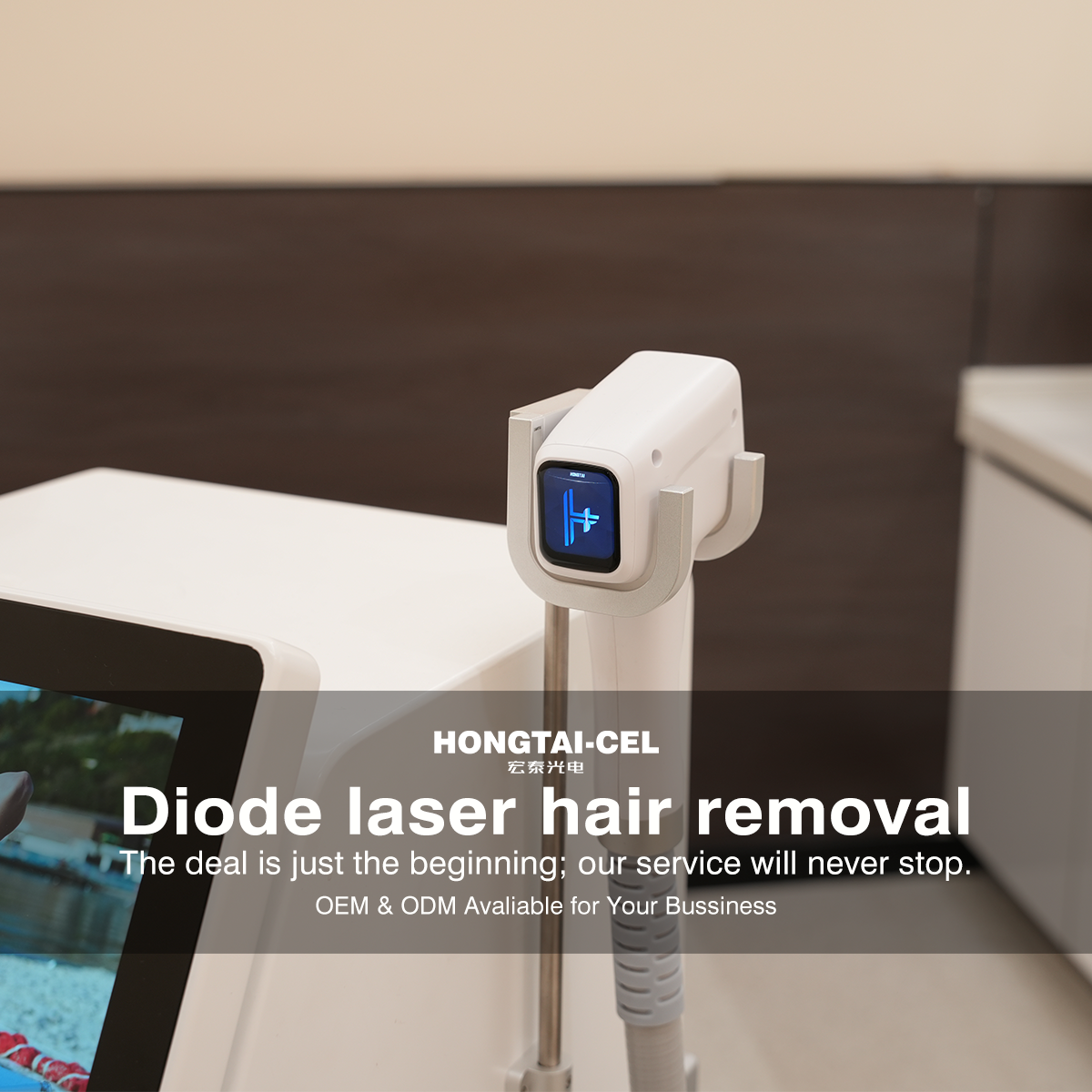
Not all types of laser hair removal are equally suitable for every skin type, and understanding this critical distinction is essential before choosing a treatment. The effectiveness and safety of different types of laser hair removal depend heavily on how the laser wavelength interacts with skin pigmentation, melanin concentration, and individual skin characteristics. Making the wrong choice based on incomplete information can result in ineffective treatment, skin irritation, or worse complications. This guide explains which types of laser hair removal work best for different skin types and helps you make an informed decision aligned with your unique skin profile.

The landscape of types of laser hair removal has expanded significantly over recent decades, offering clinicians and patients more options than ever before. However, this expansion also means greater responsibility to match the right technology with the right candidate. Skin type, hair color, hair density, and even seasonal sun exposure all influence which types of laser hair removal will deliver optimal results safely. Understanding these variables allows practitioners to recommend appropriate types of laser hair removal and helps patients set realistic expectations before committing to treatment.
Understanding How Different Types Of Laser Hair Removal Interact With Skin
The Role Of Wavelength And Melanin Absorption
The fundamental principle underlying types of laser hair removal is selective photothermolysis, which targets melanin in hair follicles while minimizing damage to surrounding skin. Different types of laser hair removal emit different wavelengths, and each wavelength penetrates skin to different depths and absorbs differently depending on melanin concentration. Shorter wavelengths like ruby (694 nm) are highly absorbed by melanin, making certain types of laser hair removal effective for lighter skin but risky for darker skin due to excessive melanin in the epidermis. Longer wavelengths like Nd:YAG (1064 nm) penetrate deeper and are absorbed less by melanin in the outer skin layers, making these types of laser hair removal safer for darker skin tones.
Why Skin Type Classification Matters For Types Of Laser Hair Removal
Skin type classification using the Fitzpatrick scale helps determine which types of laser hair removal are appropriate. Types I and II skin (light skin with minimal pigmentation) tolerate a broader range of types of laser hair removal technologies, including diode and alexandrite lasers, which operate at shorter wavelengths and offer faster treatment times. Types III and IV skin (medium to olive skin) require more caution; while some types of laser hair removal like diode lasers can work, practitioners must carefully adjust settings to avoid hyperpigmentation or hypopigmentation. Types V and VI skin (dark brown to black skin) demand specific types of laser hair removal, particularly longer-wavelength options like Nd:YAG, which minimize the risk of epidermal heating and unwanted pigmentation changes.
Matching Specific Types Of Laser Hair Removal To Skin Characteristics
Diode Laser Technology For Diverse Skin Types
Diode lasers, operating at 810 nm, represent one of the most versatile types of laser hair removal for a wide range of skin types. For lighter skin (Types I–III), diode technology delivers rapid results with minimal discomfort and low complication rates, making it a popular first-line choice among practitioners. For medium skin types, diode lasers perform well when settings are appropriately adjusted, though practitioners must remain vigilant about cooling systems to prevent thermal injury. The types of laser hair removal using diode wavelengths have gained widespread adoption because they balance efficacy with a reasonable safety profile across multiple skin tones, though darker skin types still benefit more from longer-wavelength systems.
Nd:YAG Lasers For Darker Skin Tones
Nd:YAG lasers, with their 1064 nm wavelength, represent the gold standard among types of laser hair removal specifically designed for darker skin tones and high-risk patients. The longer wavelength minimizes surface absorption and reduces risk of epidermal injury, making these types of laser hair removal ideal for Types V and VI skin. Nd:YAG technology also penetrates deeper into dermis, effectively targeting hair follicles regardless of skin pigmentation level. While treatment may require more sessions or slightly longer intervals compared to shorter-wavelength types of laser hair removal, the safety profile and reduced complication rates make them the preferred choice for practitioners serving diverse patient populations.
Assessing Suitability And Contraindications For Types Of Laser Hair Removal
Factors Beyond Skin Type Affecting Suitability
Determining appropriate types of laser hair removal requires evaluation beyond skin tone alone. Recent sun exposure significantly influences which types of laser hair removal a practitioner can safely recommend; patients with tan or active sun exposure carry elevated risk of complications with most types of laser hair removal and should wait or receive only the longest-wavelength options. Hair color also matters substantially: types of laser hair removal work by targeting melanin in hair, so lighter hair responds poorly regardless of skin type. Medical history, current medications (particularly photosensitizing agents), active skin conditions like eczema or psoriasis, and history of keloid formation all influence which types of laser hair removal are appropriate.
Realistic Expectations For Different Skin And Hair Combinations
The combination of skin type, hair color, and hair density determines not just which types of laser hair removal are suitable, but also how many sessions patients should expect. Dark hair on light skin typically requires the fewest sessions with most types of laser hair removal, while light hair on dark skin may require significantly more sessions or alternative technologies. When counseling patients on types of laser hair removal options, practitioners must be transparent about realistic outcomes, timeline requirements, and maintenance needs specific to each patient's profile. Setting accurate expectations reduces dissatisfaction and helps patients understand why certain types of laser hair removal may be recommended over others.
FAQ
Can All Types Of Laser Hair Removal Be Used On Sensitive Skin?
Not all types of laser hair removal are equally appropriate for sensitive skin. Longer-wavelength types of laser hair removal like Nd:YAG are gentler and less likely to cause irritation than shorter-wavelength options. Patients with sensitive skin should discuss their history with a qualified practitioner who can choose appropriate types of laser hair removal and adjust settings accordingly. Pre-treatment and post-treatment care protocols, including use of cooling systems and soothing topicals, become particularly important when using types of laser hair removal on sensitive skin.
Which Types Of Laser Hair Removal Work Best For Very Dark Skin?
Nd:YAG lasers represent the safest and most effective types of laser hair removal for very dark skin (Fitzpatrick Types V and VI). The longer 1064 nm wavelength minimizes epidermal absorption and reduces risk of dyschromia (pigmentation changes), which is the primary concern when applying types of laser hair removal to darker skin tones. Modern versions of these types of laser hair removal include advanced cooling technology to enhance comfort, though practitioners may need to adjust pulse duration and fluence compared to treating lighter skin with other types of laser hair removal.
How Often Should I Use Types Of Laser Hair Removal If I Have Medium Skin Tone?
Treatment frequency depends partly on which types of laser hair removal technology is used and individual hair growth cycles. Most types of laser hair removal protocols for medium skin tones recommend sessions spaced 4–6 weeks apart during the active treatment phase. Hair growth is cyclical, and types of laser hair removal only affect actively growing follicles, so adequate spacing ensures each session targets new hair in the growth phase. Maintenance sessions with types of laser hair removal may be needed annually or as regrowth occurs, depending on individual factors and the specific technology used.