
 EN


Selecting the right intense pulsed light device is one of the most critical investment decisions for aesthetic clinics, dermatology practices, and medical spas. The market offers numerous options, each with different capabilities, price points, and clinical outcomes. Making an informed choice requires understanding the core differences between systems, evaluating your practice needs, and assessing long-term operational considerations. This guide walks you through the essential factors that determine whether an intense pulsed light device will deliver the results your patients expect and support your business objectives.
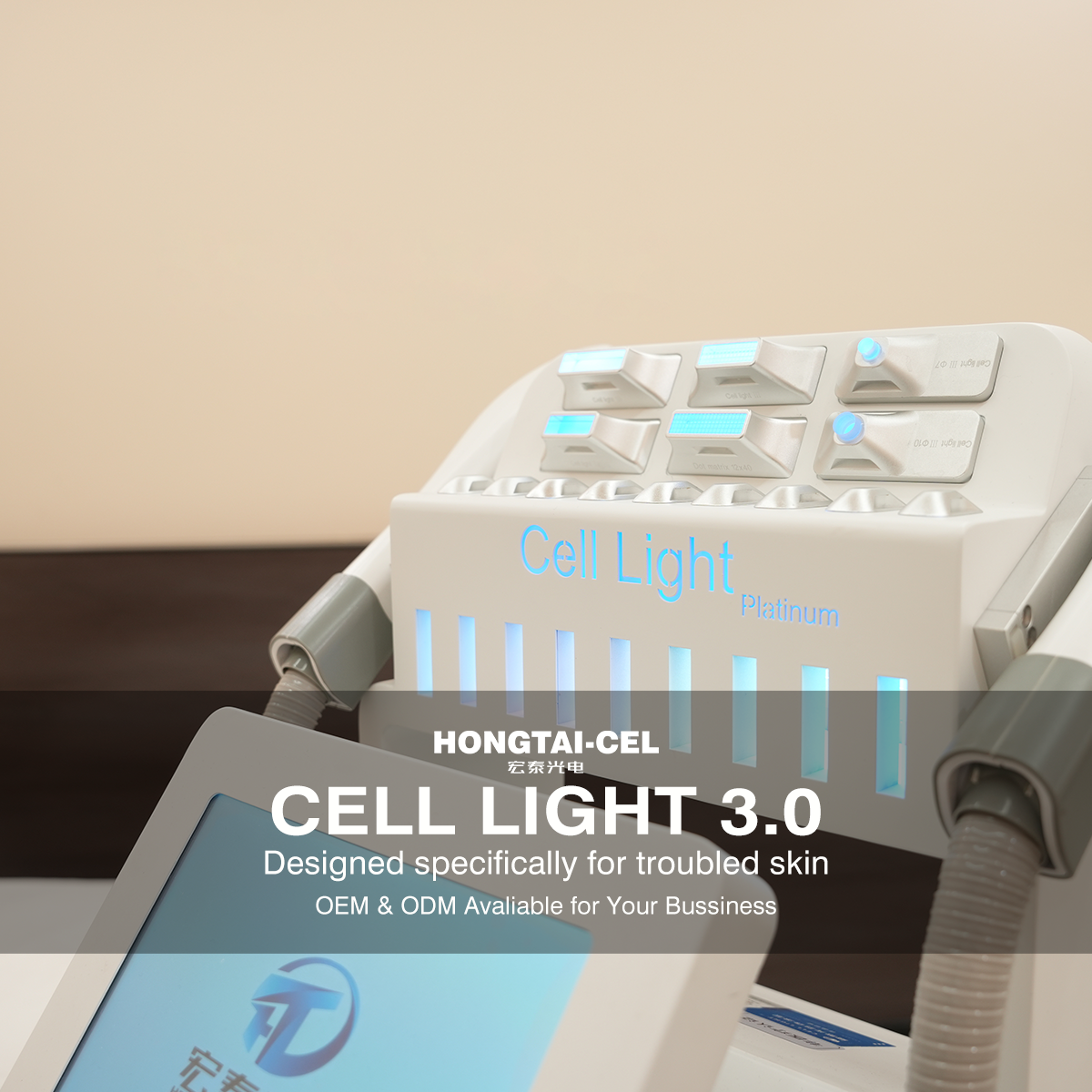
An intense pulsed light device represents a significant capital expenditure, and choosing poorly can lead to patient dissatisfaction, reduced revenue, and costly replacement cycles. The right system must align with your treatment menu, staff expertise, patient demographics, and growth strategy. Understanding the technical specifications, clinical applications, and vendor support landscape will help you confidently select an intense pulsed light device that delivers consistent results and positions your practice for sustainable success.
Understanding Core Technology and Performance Specifications
Wavelength Range and Treatment Capability
The wavelength range of an intense pulsed light device directly determines which skin conditions it can treat effectively. Most systems operate between 500 and 1200 nanometers, with filtered outputs targeting specific chromophores like melanin, hemoglobin, and water. A broader wavelength range allows a single intense pulsed light device to address photoaging, vascular lesions, pigmentation disorders, and hair removal. When evaluating systems, request detailed spectral data and ask vendors to clarify which wavelengths address your target patient populations. Narrow-spectrum systems may cost less initially but limit your clinical versatility and revenue potential.
Pulse Duration and Energy Delivery
Pulse duration—measured in milliseconds—affects how an intense pulsed light device interacts with tissue. Shorter pulses concentrate energy and minimize thermal damage to surrounding tissue, while longer pulses penetrate deeper but carry higher burn risk. The best intense pulsed light device systems offer adjustable pulse durations, allowing clinicians to customize treatment for different skin types and conditions. Energy density, expressed in joules per square centimeter, must be sufficient to achieve clinical endpoints without excessive discomfort or adverse events. Compare energy output specifications across candidate systems and request clinical case studies demonstrating results on diverse skin tones.
Evaluating Clinical Efficacy and Safety Features
Skin Type Compatibility and Safety Margins
Modern intense pulsed light device technology must safely treat patients across all Fitzpatrick skin types, from very fair to very dark complexions. Systems with built-in contact cooling, adjustable fluence settings, and real-time feedback mechanisms reduce the risk of post-inflammatory hyperpigmentation and thermal burns. The most reliable intense pulsed light device options include intelligent skin detection or automatic preset profiles that adjust parameters based on detected skin tone. Ask manufacturers whether their intense pulsed light device has undergone clinical validation on darker skin types specifically, as this remains an area where many systems underperform. Safety certifications such as FDA approval or CE marking provide additional confidence in performance standards.
Treatment Speed and Handpiece Design
Handpiece ergonomics and treatment speed significantly impact patient throughput and staff fatigue. An intense pulsed light device with a larger spot size—typically 8 to 15 millimeters—covers more area per pulse, reducing overall treatment time. Lighter handpieces with intuitive controls reduce operator strain during full-face or full-body treatments. The ideal intense pulsed light device minimizes the time between pulses, allowing practitioners to complete treatments efficiently without compromising safety. During vendor demonstrations, have your staff physically operate the intense pulsed light device to assess comfort, visibility, and ease of use under realistic treatment conditions.
Assessing Business Integration and Ongoing Support
Software, Training, and Documentation
The quality of embedded software and vendor-provided training determines how quickly your team becomes proficient with an intense pulsed light device. Look for systems with intuitive user interfaces, customizable treatment protocols, and built-in patient education materials. Comprehensive training should include hands-on sessions with your staff, documented standard operating procedures, and access to technical support. Reliable vendors provide ongoing clinical updates, webinars, and access to peer networks where practitioners share intense pulsed light device optimization strategies. Request references from existing users and verify that training and support are included in the purchase agreement, not sold as expensive add-ons.
Maintenance, Parts Availability, and Warranty
The long-term cost of ownership extends beyond the purchase price and includes routine maintenance, replacement parts, and repair labor. An intense pulsed light device requires periodic lamp or flash-tube replacement, calibration, and preventive servicing to maintain peak performance. Verify that replacement components are readily available, reasonably priced, and do not require extended downtime for installation. Comprehensive warranty coverage should include parts, labor, and emergency service calls. Compare total cost of ownership over five to ten years, factoring in maintenance schedules, expected lamp life, and parts costs. Vendors with strong service networks and local technician availability provide better peace of mind than distant, less-responsive suppliers.
FAQ
What treatment results can an intense pulsed light device achieve?
An intense pulsed light device effectively treats photoaging, including fine lines, irregular pigmentation, and dull skin texture. It reduces vascular lesions such as rosacea, spider veins, and port-wine stains. Many systems also remove unwanted hair across large body areas. Results typically appear gradually over multiple sessions, with most patients seeing noticeable improvement after three to six treatments spaced two to four weeks apart. Individual outcomes vary based on skin type, condition severity, and adherence to pre- and post-treatment care protocols.
How much does an intense pulsed light device cost?
Entry-level intense pulsed light device systems start around thirty thousand dollars, while mid-range professional systems range from fifty to one hundred thousand dollars. Premium, multi-platform intense pulsed light device units with advanced software and expanded clinical capabilities may exceed one hundred fifty thousand dollars. Lease and financing options are available from many vendors, allowing practices to spread costs and upgrade as technology evolves. When budgeting, include training, maintenance, supplies, and potential facility modifications in your total investment assessment.
How long does an intense pulsed light device handpiece last?
The lifespan of an intense pulsed light device handpiece or lamp depends on the technology and usage volume. Xenon flash tubes typically deliver between 100,000 and 500,000 pulses before requiring replacement. Diode and solid-state systems may last longer with proper maintenance. High-volume clinics performing hundreds of treatments monthly should budget for lamp replacement annually or every eighteen months. Proper cooling, regular calibration, and adherence to manufacturer maintenance guidelines extend handpiece life and maintain consistent treatment results throughout the device's operational lifespan.