diode laser facial hair removal
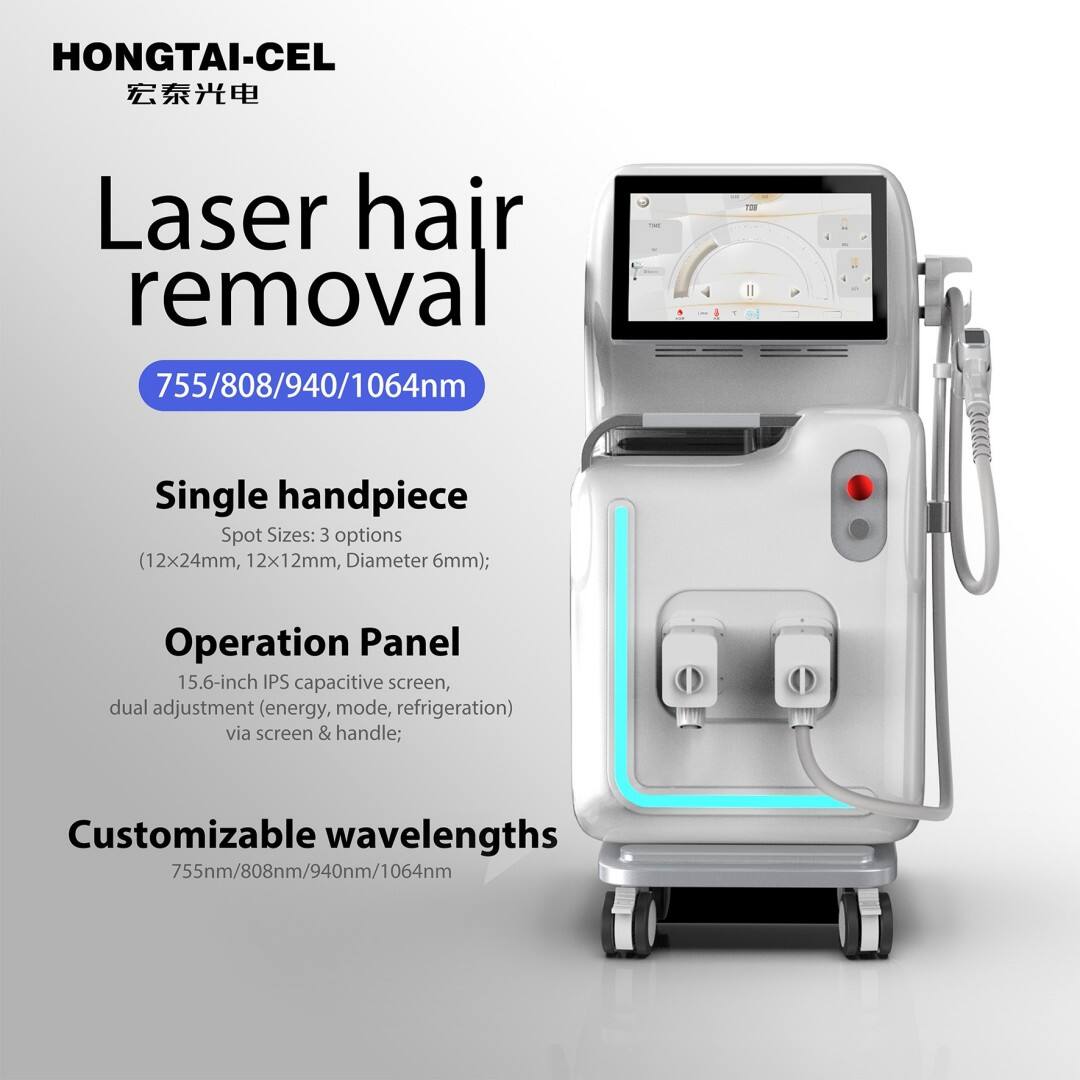
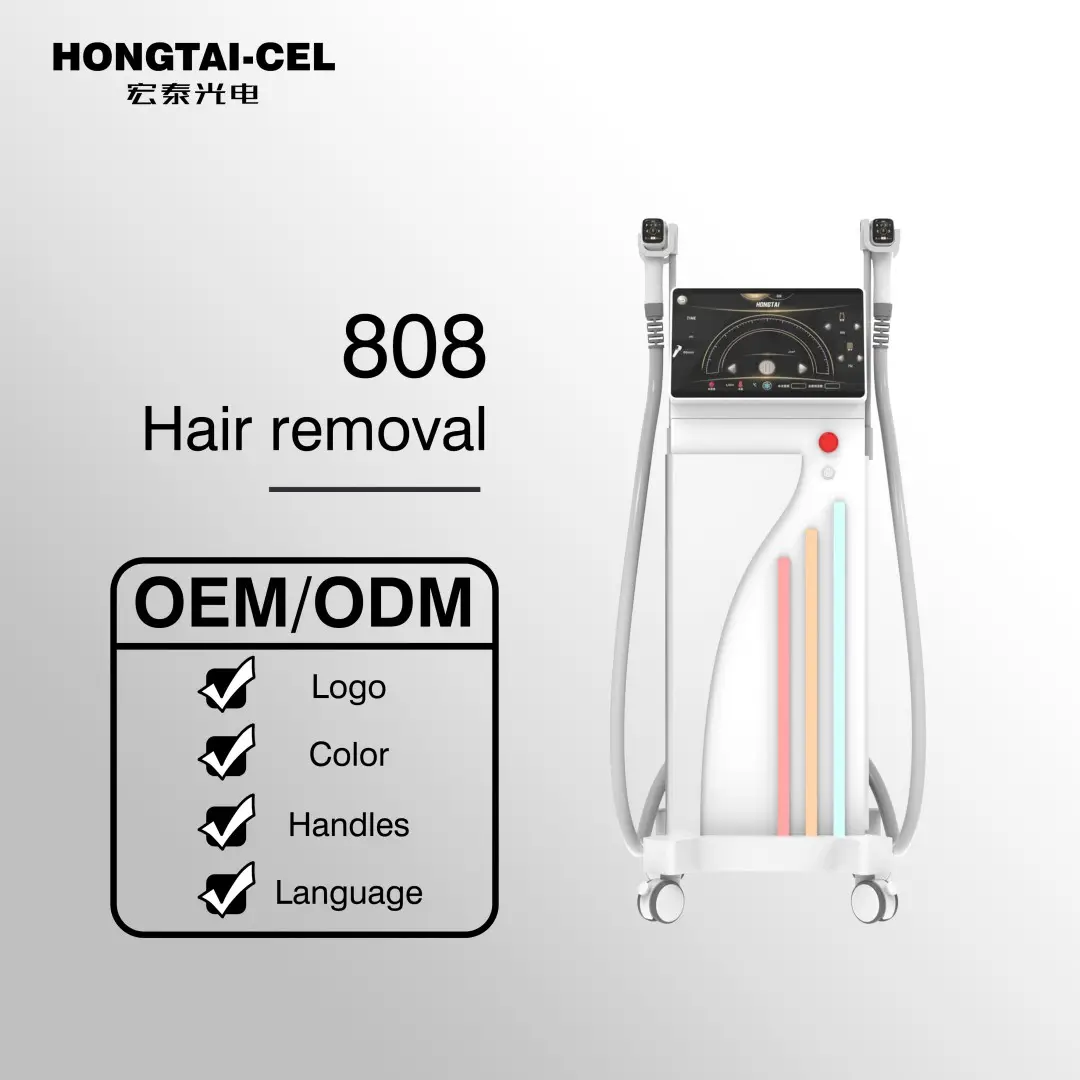
Diode laser facial hair removal represents a revolutionary advancement in cosmetic technology, offering individuals a sophisticated solution for permanent hair reduction. This cutting-edge treatment utilizes concentrated light energy from semiconductor diodes to target hair follicles with remarkable precision. The diode laser facial hair removal system operates by emitting specific wavelengths of light, typically between 800 to 940 nanometers, which are optimally absorbed by melanin pigment within hair structures. This selective photothermolysis process ensures that surrounding skin tissue remains largely unaffected while delivering targeted thermal energy to destroy hair follicles at their root level. The technological foundation of diode laser facial hair removal stems from years of research and development in laser physics and dermatological applications. Modern diode systems incorporate advanced cooling mechanisms, including sapphire contact cooling and cryogen spray systems, which protect the skin surface while allowing deeper penetration of laser energy. These devices feature adjustable pulse durations, energy densities, and spot sizes, enabling practitioners to customize treatments according to individual skin types, hair colors, and facial anatomy. The main functions of diode laser facial hair removal extend beyond simple hair elimination to include follicle destruction, growth cycle disruption, and gradual hair density reduction. The technology works most effectively on hair in the anagen or active growth phase, requiring multiple treatment sessions spaced several weeks apart to capture follicles during their optimal destruction window. Clinical applications encompass various facial areas including upper lip, chin, cheeks, jawline, and neck regions. The versatility of diode laser facial hair removal makes it suitable for treating different hair textures, from fine vellus hair to coarser terminal hair, while accommodating diverse skin tones through wavelength adjustments and parameter modifications.

 EN
EN