
 EN
EN



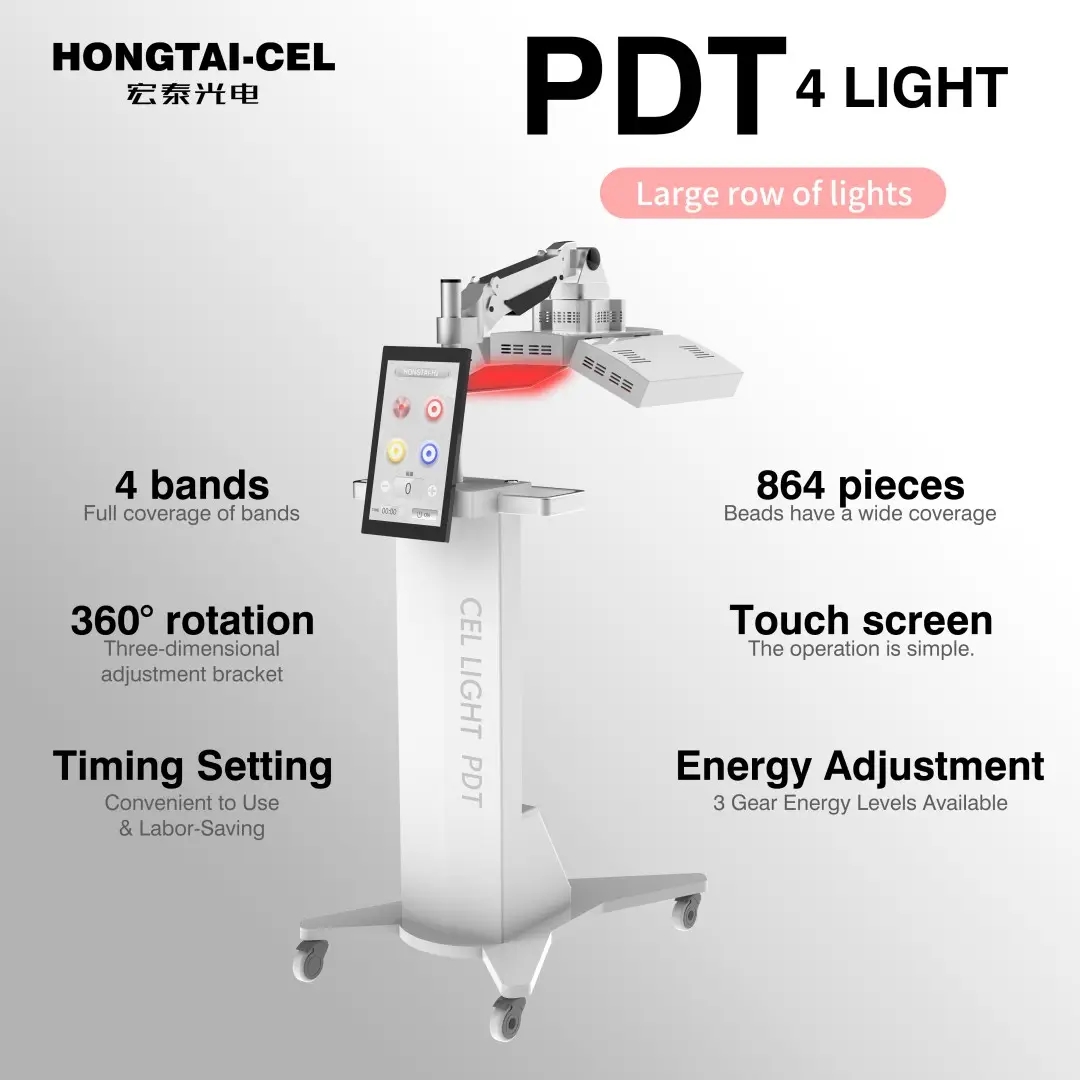
Selecting the optimal wavelength for your PDT LED light therapy machine determines the success of your treatment outcomes and client satisfaction. Different wavelengths penetrate skin at varying depths and trigger distinct biological responses, making wavelength selection a critical factor in achieving therapeutic goals. Understanding how specific wavelengths interact with cellular processes enables practitioners to customize treatments for acne management, anti-aging protocols, wound healing, and skin rejuvenation procedures.
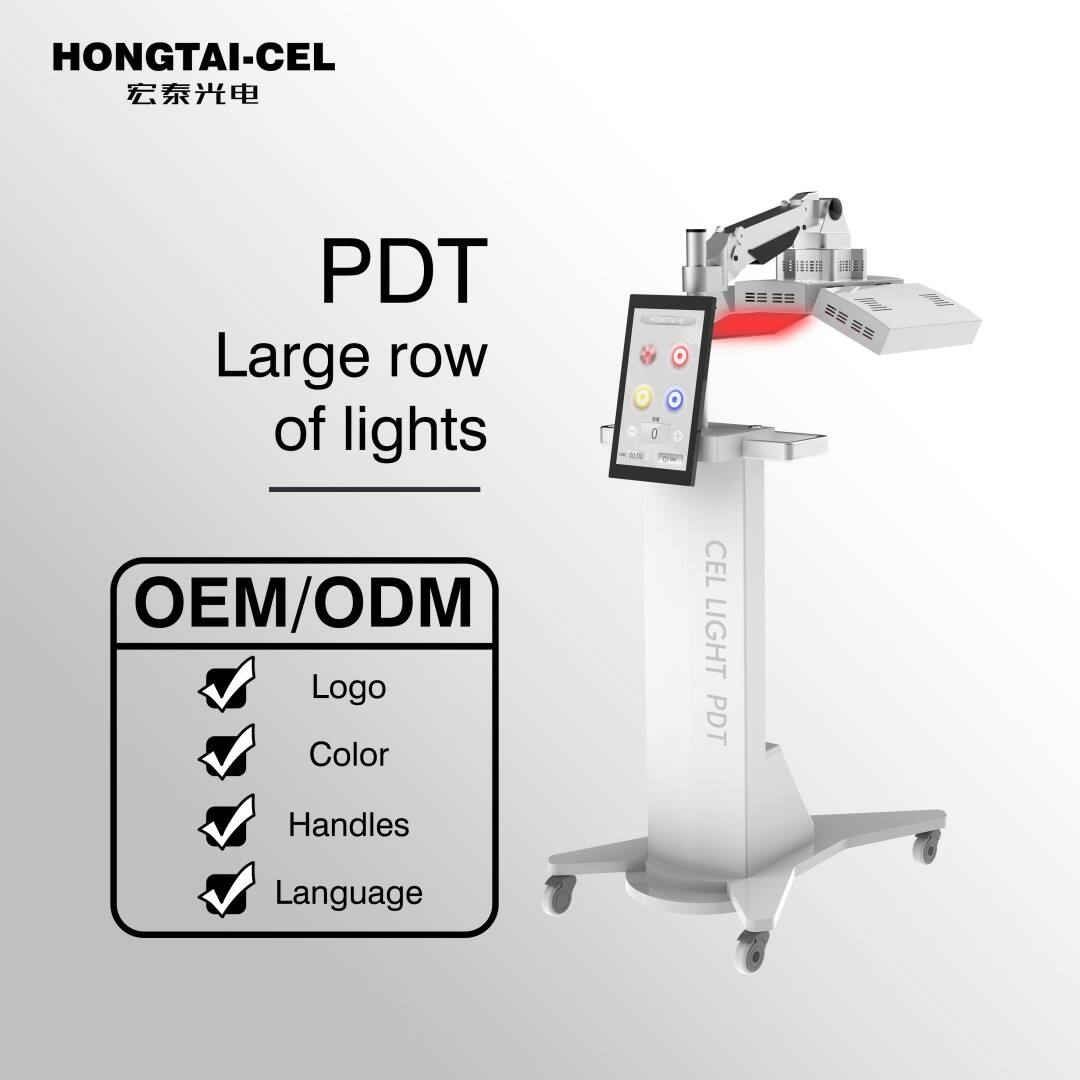
Professional aestheticians and dermatologists rely on evidence-based wavelength selection protocols to maximize treatment efficacy while ensuring client safety. The wavelength spectrum available in modern pdt led light therapy machine units typically ranges from 415nm to 850nm, with each range offering unique therapeutic benefits. Proper wavelength selection requires understanding skin photobiology, treatment objectives, client skin type, and desired penetration depth to create effective treatment protocols.
Understanding Wavelength Penetration Depths and Cellular Targeting
Blue Light Wavelengths for Surface-Level Treatments
Blue light wavelengths between 415nm and 445nm provide excellent penetration for superficial skin treatments, particularly targeting acne-causing bacteria in the sebaceous glands. When selecting a PDT LED light therapy machine for acne treatments, blue wavelengths effectively eliminate Propionibacterium acnes through photodynamic reactions that produce reactive oxygen species. These shorter wavelengths penetrate approximately 1-2mm into the skin, making them ideal for addressing surface-level concerns without affecting deeper tissue structures.
Professional treatment protocols using blue wavelengths typically require 15-20 minute exposure sessions to achieve bactericidal effects. The wavelength selection process should consider client skin sensitivity, as blue light can cause temporary photosensitivity reactions in some individuals. Practitioners using a PDT LED light therapy machine for acne management often combine blue wavelengths with other spectrum options to address both bacterial elimination and inflammatory reduction simultaneously.
Blue wavelength effectiveness depends on proper dosimetry calculations that account for power density, treatment duration, and client skin phototype. When evaluating PDT LED light therapy machine options, ensure the device provides consistent blue wavelength output across the treatment surface to maintain uniform therapeutic effects. Surface-level treatments benefit from wavelengths that maintain therapeutic intensity without excessive heat generation that could compromise client comfort during extended sessions.
Red Light Wavelengths for Deep Tissue Stimulation
Red light wavelengths ranging from 630nm to 700nm offer superior penetration depths of 8-10mm, making them essential for stimulating cellular regeneration and collagen production in deeper skin layers. Selecting red wavelengths for your PDT LED light therapy machine enables practitioners to target fibroblasts, improve circulation, and promote wound healing through enhanced mitochondrial function. These wavelengths effectively stimulate adenosine triphosphate production, accelerating cellular repair mechanisms and tissue regeneration processes.
Professional anti-aging protocols rely heavily on red wavelength selection to achieve measurable improvements in skin texture, elasticity, and overall appearance. The selection criteria for PDT LED light therapy machine wavelengths should prioritize devices offering precise red spectrum control between 660nm and 670nm for optimal collagen stimulation. Red wavelengths also demonstrate significant effectiveness in reducing inflammation and promoting healing in post-procedure recovery applications.
Treatment planning with red wavelengths requires consideration of cumulative dose effects, as these wavelengths build therapeutic benefits through repeated exposure sessions. PDT LED light therapy machine selection should evaluate red wavelength stability and power consistency to ensure reliable treatment outcomes. Practitioners often incorporate red wavelengths into comprehensive treatment protocols that address both immediate skin concerns and long-term rejuvenation objectives.
Infrared Wavelength Applications and Selection Criteria
Near-Infrared Wavelengths for Enhanced Circulation
Near-infrared wavelengths between 700nm and 850nm provide the deepest tissue penetration available in PDT LED light therapy machine applications, reaching depths of 15-20mm to stimulate blood flow and lymphatic drainage. These wavelengths excel at promoting circulation, reducing inflammation, and supporting tissue oxygenation at the cellular level. When selecting infrared capabilities for your PDT LED light therapy machine, consider applications requiring enhanced healing, pain reduction, and improved tissue metabolism.
Professional protocols utilizing near-infrared wavelengths often target muscle recovery, joint stiffness, and chronic inflammatory conditions that benefit from deep tissue stimulation. The selection process for PDT LED light therapy machine infrared capabilities should evaluate power output consistency and thermal management to prevent overheating during extended treatment sessions. Near-infrared wavelengths work synergistically with shorter wavelengths to create comprehensive treatment protocols addressing multiple skin and tissue concerns simultaneously.
Treatment outcomes with near-infrared wavelengths depend on proper exposure timing and power density calculations specific to the target tissue depth. PDT LED light therapy machine selection should prioritize devices offering programmable infrared protocols that allow practitioners to customize treatment parameters based on client needs and treatment objectives. These wavelengths require careful monitoring to ensure therapeutic benefits without thermal damage to sensitive skin areas.
Combined Wavelength Protocols for Comprehensive Treatment
Multi-wavelength treatment protocols maximize the therapeutic potential of PDT LED light therapy machine applications by combining different spectrum ranges to address complex skin conditions. Professional practitioners select wavelength combinations based on specific treatment goals, such as pairing blue wavelengths for bacterial elimination with red wavelengths for healing acceleration. This approach enables comprehensive treatment outcomes that single-wavelength protocols cannot achieve independently.
Sequential wavelength delivery through advanced PDT LED light therapy machine systems allows practitioners to customize treatment phases targeting different aspects of skin health. The selection criteria should include devices capable of seamless wavelength transitions and programmable exposure sequences that maintain therapeutic effectiveness throughout the treatment session. Combined protocols often demonstrate superior results in complex conditions requiring both antimicrobial action and tissue regeneration.
Treatment planning with multiple wavelengths requires understanding the synergistic effects between different spectrum ranges and their cumulative impact on cellular processes. PDT LED light therapy machine selection should evaluate the device's ability to maintain consistent power output across all wavelength ranges while preventing unwanted interference between different light sources. Professional protocols benefit from wavelength combinations that enhance treatment efficacy while reducing overall session duration.
Client Assessment and Wavelength Matching Protocols
Skin Type Considerations in Wavelength Selection
Proper wavelength selection for PDT LED light therapy machine treatments requires comprehensive assessment of client skin phototype, sensitivity levels, and existing skin conditions. Different skin types respond variably to specific wavelengths, with darker skin tones typically requiring modified exposure parameters to prevent hyperpigmentation or other adverse reactions. Professional practitioners must evaluate melanin content, skin thickness, and underlying vascular patterns when determining optimal wavelength protocols.
Fitzpatrick skin type classification provides essential guidance for PDT LED light therapy machine wavelength selection, as Types I-II typically tolerate higher intensities while Types V-VI require conservative approaches. The assessment process should include patch testing with selected wavelengths to evaluate individual client responses before implementing full treatment protocols. Skin type matching ensures therapeutic benefits while minimizing risks associated with inappropriate wavelength selection.
Professional treatment protocols adapt wavelength parameters based on client skin characteristics, including age-related changes in collagen density and cellular regeneration capacity. PDT LED light therapy machine selection should offer flexible wavelength adjustment capabilities that accommodate diverse client populations and varying skin conditions. Customized wavelength protocols demonstrate superior outcomes compared to standardized approaches that ignore individual skin characteristics.
Treatment Objective-Based Wavelength Selection
Effective wavelength selection aligns specific therapeutic objectives with appropriate spectrum ranges available in PDT LED light therapy machine systems. Acne treatment protocols prioritize blue wavelengths for bacterial elimination, while anti-aging applications emphasize red and near-infrared wavelengths for collagen stimulation and cellular regeneration. Treatment planning requires clear objective definition to guide wavelength selection and optimize therapeutic outcomes.
Professional practitioners develop wavelength selection matrices that match specific skin concerns with evidence-based spectrum recommendations for PDT LED light therapy machine applications. Wound healing applications typically benefit from red wavelength dominance, while pigmentation concerns may require careful wavelength selection to avoid exacerbating existing discoloration. Objective-based selection ensures targeted therapeutic action and measurable treatment outcomes.
Treatment success depends on maintaining consistency between wavelength selection and therapeutic goals throughout the entire treatment series. PDT LED light therapy machine protocols should incorporate progress monitoring and wavelength adjustment capabilities based on client response and evolving treatment objectives. Professional standards require documentation of wavelength selection rationale and outcome correlation to optimize future treatment planning.
Technical Specifications and Performance Evaluation
Power Density and Wavelength Stability Assessment
Professional evaluation of PDT LED light therapy machine wavelength performance requires measurement of power density consistency across the treatment surface and wavelength stability throughout extended operation periods. Therapeutic effectiveness depends on maintaining precise wavelength output within specified parameters, as variations can significantly impact treatment outcomes. Technical specifications should include power density measurements in milliwatts per square centimeter and wavelength accuracy tolerances.
Quality PDT LED light therapy machine systems maintain wavelength stability within ±5nm of specified output throughout the operational lifespan of LED components. The evaluation process should include thermal stability testing to ensure wavelength consistency during extended treatment sessions when device temperatures may fluctuate. Professional-grade devices incorporate thermal management systems that prevent wavelength drift and maintain therapeutic effectiveness across varying operating conditions.
Performance validation protocols for PDT LED light therapy machine wavelength output should include spectral analysis and power measurements at regular intervals to ensure continued therapeutic effectiveness. Device selection criteria must prioritize systems offering measurable and consistent wavelength output that maintains therapeutic parameters throughout the device lifespan. Professional applications require documented wavelength performance specifications and regular calibration procedures.
Treatment Area Coverage and Wavelength Distribution
Effective PDT LED light therapy machine wavelength selection must consider treatment area coverage and uniform wavelength distribution across the target surface. Professional treatments require consistent wavelength delivery to all areas within the treatment field to ensure uniform therapeutic effects and prevent undertreated regions. Device evaluation should include measurement of wavelength uniformity across the entire treatment surface area.
Treatment protocols benefit from PDT LED light therapy machine systems that provide overlapping wavelength coverage patterns to eliminate gaps or variations in therapeutic intensity. The selection process should evaluate device specifications for treatment area dimensions, wavelength overlap zones, and edge-to-center uniformity ratios. Professional standards require wavelength distribution uniformity within ±10% across the entire treatment surface.
Clinical effectiveness depends on matching treatment area requirements with PDT LED light therapy machine wavelength coverage capabilities to ensure comprehensive therapeutic delivery. Device selection should consider client positioning requirements and treatment area accessibility when evaluating wavelength distribution patterns. Professional protocols require documentation of treatment coverage patterns and wavelength distribution uniformity for quality assurance purposes.
FAQ
What wavelength range provides the best results for acne treatment with PDT LED light therapy machines?
Blue wavelengths between 415nm and 445nm deliver optimal results for acne treatment by specifically targeting Propionibacterium acnes bacteria in sebaceous glands. These wavelengths penetrate 1-2mm into skin tissue and generate reactive oxygen species that eliminate acne-causing bacteria. Professional protocols typically combine blue wavelengths with red wavelengths (630-670nm) to address both bacterial elimination and inflammatory reduction for comprehensive acne management.
How do I determine the appropriate wavelength for anti-aging treatments?
Anti-aging treatments benefit most from red wavelengths between 660-670nm and near-infrared wavelengths up to 850nm for maximum collagen stimulation and cellular regeneration. Red wavelengths penetrate 8-10mm to reach fibroblasts and stimulate adenosine triphosphate production, while near-infrared wavelengths enhance circulation and tissue oxygenation. The selection should consider client age, skin thickness, and specific anti-aging objectives such as wrinkle reduction or skin texture improvement.
Can different skin types use the same wavelength settings on PDT LED light therapy machines?
Different skin types require customized wavelength parameters based on Fitzpatrick classification and individual melanin content levels. Lighter skin types (I-II) typically tolerate higher wavelength intensities, while darker skin types (V-VI) need reduced power settings to prevent hyperpigmentation. Professional protocols recommend patch testing with selected wavelengths and adjusting exposure duration and intensity based on individual skin response rather than using standardized settings across all skin types.
What factors should I consider when selecting a multi-wavelength PDT LED light therapy machine?
Multi-wavelength device selection should evaluate wavelength range coverage, power density consistency across all wavelengths, programmable protocol capabilities, and thermal management systems. Consider treatment versatility requirements, client population characteristics, and the ability to combine wavelengths for comprehensive treatment protocols. Professional-grade devices should offer wavelength stability within ±5nm, uniform distribution across treatment areas, and documented performance specifications for each wavelength range included in the system.
Table of Contents
- Understanding Wavelength Penetration Depths and Cellular Targeting
- Infrared Wavelength Applications and Selection Criteria
- Client Assessment and Wavelength Matching Protocols
- Technical Specifications and Performance Evaluation
-
FAQ
- What wavelength range provides the best results for acne treatment with PDT LED light therapy machines?
- How do I determine the appropriate wavelength for anti-aging treatments?
- Can different skin types use the same wavelength settings on PDT LED light therapy machines?
- What factors should I consider when selecting a multi-wavelength PDT LED light therapy machine?