
 EN
EN



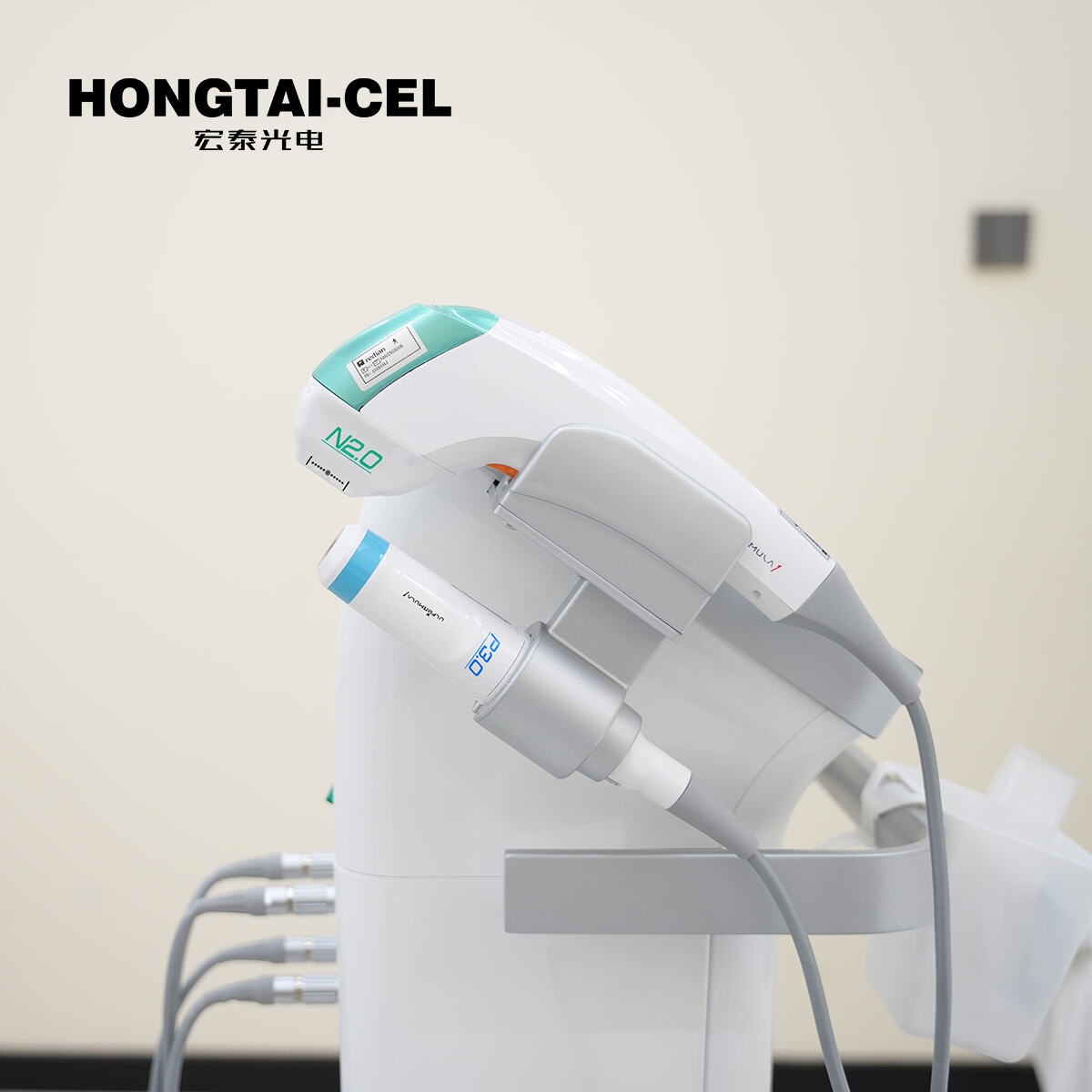
Wybór odpowiedniego urządzenia HIFU dla Twojej kliniki podnoszenia skóry stanowi kluczową decyzję biznesową, która bezpośrednio wpływa na wyniki zabiegów, satysfakcję klientów oraz rentowność praktyki. Technologia High-Intensity Focused Ultrasound zrewolucjonizowała nieinwazyjne zabiegi podciągania skóry, jednak skuteczność Twoich procedur w dużej mierze zależy od wybranego systemu dostosowanego do specyficznych potrzeb Twojej kliniki, demografii pacjentów i wymagań operacyjnych. Zrozumienie specyfikacji technicznych, możliwości terapeutycznych oraz praktycznych czynników rozróżniających poszczególne urządzenia HIFU jest niezbędne do podjęcia świadomej inwestycji, która będzie służyć Twojej praktyce przez wiele lat.
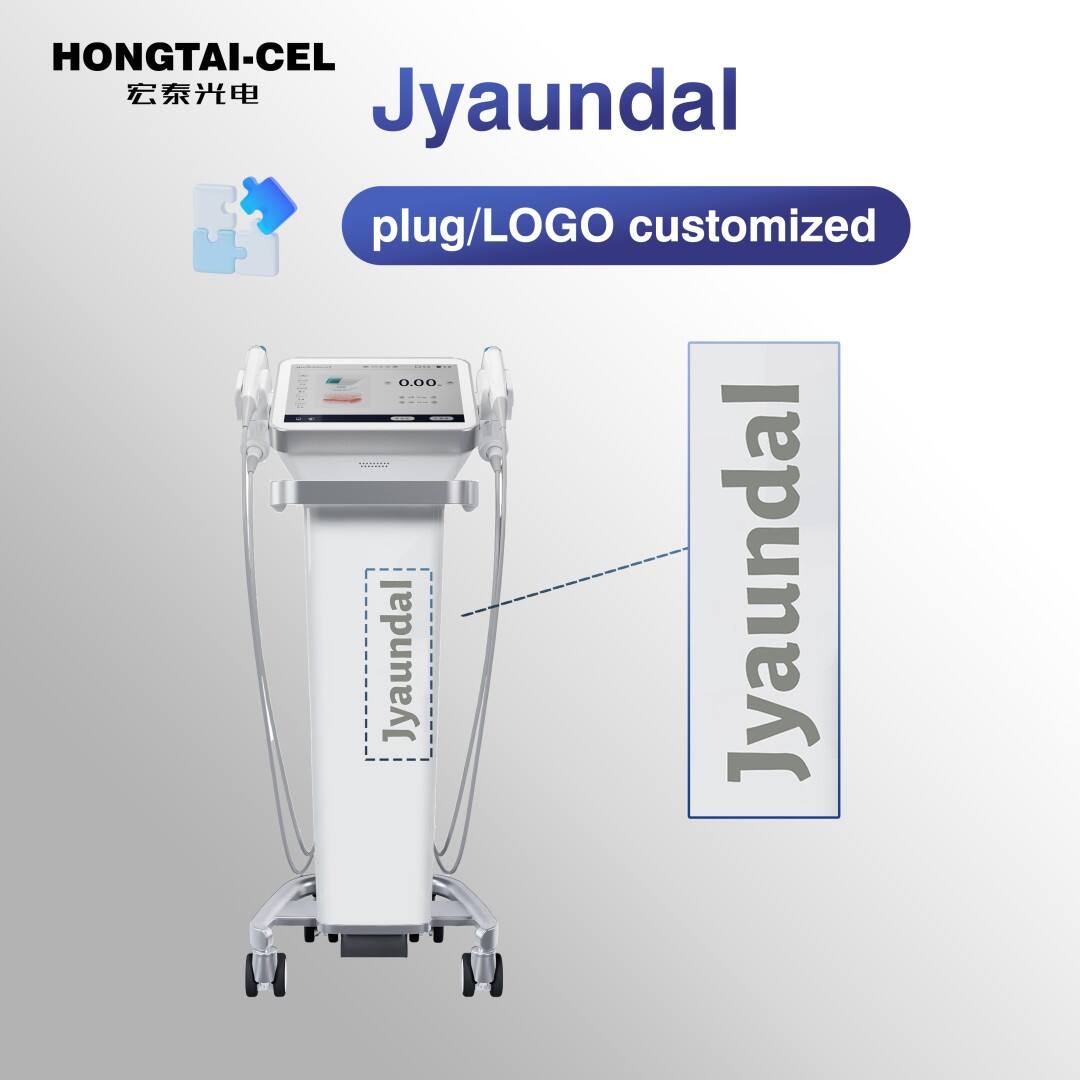
Proces wyboru optymalnego urządzenia HIFU wymaga starannego przeanalizowania wielu czynników technicznych i biznesowych, które będą decydować o powodzeniu w dostarczaniu skutecznych zabiegów podnoszenia skóry. Od zrozumienia możliwości głębokości penetrowania fal ultradźwiękowych i specyfikacji mocy wyjściowej po uwzględnienie cech zapewniających komfort pacjenta oraz wszechstranność zabiegów – każdy aspekt procesu doboru urządzenia odgrywa kluczową rolę w zdolności Twojej kliniki do przyciągania i utrzymywania klientów, a także w utrzymaniu konkurencyjnej pozycji na rynku medycyny estetycznej. Odpowiednia strategia doboru urządzenia HIFU polega na zrównoważeniu natychmiastowych potrzeb klinicznych z długoterminowymi celami rozwoju, aby zapewnić, że inwestycja przyniesie stałe zwroty.
Specyfikacje techniczne definiujące wydajność urządzenia HIFU
Zrozumienie częstotliwości fal ultradźwiękowych oraz opcji głębokości penetrowania
Zakres częstotliwości wybranego urządzenia HIFU określa głębokość przenikania tkanki oraz precyzję dostarczania energii podczas zabiegów liftingu skóry. Większość profesjonalnych urządzeń HIFU działa w zakresie częstotliwości od 2 do 10 MHz, przy czym niższe częstotliwości zapewniają głębsze przenikanie, umożliwiając leczenie podstawowych warstw skóry, a wyższe częstotliwości pozwalają na leczenie bardziej powierzchowne. Przy ocenie potencjalnych systemów należy rozważyć urządzenia oferujące wiele opcji częstotliwości, co pozwala Twojej klinice dostosowywać zabiegi do indywidualnej grubości skóry pacjenta, obszarów docelowych oraz pożądanych efektów liftingu.
Zakres głębokości penetracji zwykle wynosi od 1,5 mm do 4,5 mm, przy czym niektóre zaawansowane modele urządzeń HIFU oferują dodatkowe ustawienia głębokości w celu kompleksowego modelowania twarzy i ciała. Możliwość regulacji głębokości penetracji w trakcie sesji leczenia umożliwia specjalistom celowe oddziaływanie na konkretne warstwy tkanki, w których produkcja kolagenu przebiega najskuteczniej. Ta elastyczność staje się szczególnie ważna przy leczeniu różnorodnych grup pacjentów o różnych typach skóry, wieku oraz cechach anatomicznych, wymagających spersonalizowanych podejść terapeutycznych.
Specyfikacje mocy wyjściowej i parametry bezpieczeństwa
Specyfikacje wydajności energetycznej urządzenia HIFU bezpośrednio wpływają na skuteczność leczenia oraz bezpieczeństwo pacjenta podczas zabiegów podnoszenia skóry. Moc wyjściowa zwykle mieści się w zakresie od 0,1 do 2,0 dżula na centymetr kwadratowy, przy czym dostępne są ustawienia regulowane, umożliwiające specjalistom dostosowanie intensywności zabiegu do indywidualnej tolerancji pacjenta oraz pożądanych efektów. Wyższe wartości mocy wyjściowej zazwyczaj zapewniają bardziej widoczne efekty podnoszenia, jednak wymagają starannej kalibracji, aby uniknąć niepożądanych reakcji lub dyskomfortu pacjenta podczas sesji leczenia.
Zaawansowane systemy urządzeń HIFU zawierają funkcje monitorowania w czasie rzeczywistym, które śledzą dostarczanie energii oraz odpowiedź tkanki w trakcie sesji leczenia. Do tych funkcji bezpieczeństwa należą m.in. automatyczne mechanizmy wyłączenia w przypadku nadmiernego nagrzewania się, systemy monitorowania temperatury zapobiegające uszkodzeniom termicznym oraz sterowanie z użyciem sprzężenia zwrotnego, zapewniające spójne rozprowadzanie energii w obszarach leczenia. Przy wyborze urządzenia należy nadać pierwszeństwo systemom oferującym kompleksowe protokoły bezpieczeństwa, zachowując przy tym elastyczność dostosowywania parametrów leczenia do indywidualnych potrzeb pacjenta.
Zasięg leczenia oraz funkcje precyzyjnej kontroli
Obszar objęty zabiegiem oraz możliwości precyzyjnej kontroli urządzenia HIFU mają istotny wpływ na wydajność procedury i spójność osiąganych rezultatów. Średnice główek przetworników zwykle zawierają się w zakresie od 5 mm do 25 mm: większe główki umożliwiają szybsze objęcie obszaru zabiegowego w przypadku zastosowań na ciele, podczas gdy mniejsze główki zapewniają zwiększoną precyzję w delikatnych obszarach twarzy. Rozważ urządzenia wyposażone w wiele opcji główek przetworników, co pozwoli Twojej klinice zoptymalizować czas zabiegów, zachowując przy tym szczegółową kontrolę niezbędną do skutecznego podnoszenia skóry.
Nowoczesne systemy urządzeń HIFU często zawierają protokoły leczenia wspomaganego, które pomagają wykonawcom zachować spójne odstępy i wzory nachodzenia podczas zabiegów. Te systemy wspomagania mogą obejmować wyświetlacze wizualne, sygnały dźwiękowe lub zintegrowane narzędzia pomiarowe zapewniające jednolite rozprowadzanie energii w strefach leczenia. Funkcje precyzyjnej kontroli stają się szczególnie wartościowe przy leczeniu obszarów wymagających szczególnej uwagi ze względu na struktury anatomiczne, np. wokół oczu lub wzdłuż linii żuchwy, gdzie dokładne umiejscowienie energii jest kluczowe dla osiągnięcia naturalnego efektu liftingu.
Zastosowania kliniczne i ocena wszechstranności zabiegów
Możliwości liftingu i modelowania twarzy
Przy ocenie opcji urządzeń HIFU do zastosowań na twarzy należy rozważyć systemy oferujące specjalizowane protokoły dla różnych obszarów twarzy, w tym czoła, okolicy okołookiej, policzków, linii żuchwy oraz szyi. Najskuteczniejsze urządzenia zapewniają możliwość dostosowania parametrów leczenia dla każdej strefy twarzy, uwzględniając znaczne różnice w grubości skóry i gęstości tkanki w tych obszarach. Warto zwrócić uwagę na systemy wyposażone w specjalne głowice przeznaczone do modelowania konturów twarzy, ponieważ te dedykowane akcesoria często zapewniają większą precyzję i komfort pacjenta podczas delikatnych zabiegów na twarzy.
Zaawansowany urządzenie HIFU systemy mogą również oferować możliwości mikro-skupionego ultradźwięku, które docierają do niezwykle precyzyjnych warstw tkanki, zapewniając subtelne efekty liftingowe. Technologia ta okazuje się szczególnie wartościowa w leczeniu pacjentów starszych, którzy wymagają łagodnych interwencji, oraz młodszych pacjentów poszukujących zabiegów profilaktycznych. Możliwość dostarczania skupionej energii ultradźwiękowej w różnym natężeniu pozwala praktykom na dostosowanie zabiegów do wieku pacjenta, stanu skóry oraz celów estetycznych.
Zastosowania w modelowaniu sylwetki i podciąganiu skóry
Wielofunkcyjność wybranego urządzenia HIFU powinna wykraczać poza zastosowania twarzowe i obejmować skuteczne możliwości modelowania sylwetki. Leczenie obszarów ciała zwykle wymaga innych parametrów energii oraz innych podejść terapeutycznych niż zabiegi na twarzy, co sprawia, że niezbędne są urządzenia o odpowiednim wyjściowym poziomie mocy oraz obszarze działania dostosowanym do większych stref leczenia. Należy ocenić systemy oferujące dedykowane protokoły leczenia obszarów ciała, takich jak brzuch, ramiona, uda i pośladki – miejsca, w których najczęściej występuje luźność skóry.
Zastosowania urządzeń HIFU skupionych na ciele często wymagają wyższych mocy wyjściowych oraz większej głębokości penetrowania, aby skutecznie dotrzeć do warstw tłuszczu podskórnych i stymulować przebudowę kolagenu w obszarach o większej grubości tkanki. Należy rozważyć urządzenia zapewniające wsparcie terapeutyczne w zastosowaniach do leczenia ciała, w tym zalecane ustawienia mocy, wzory zabiegów oraz odstępy między sesjami, które maksymalizują efekty przy jednoczesnym zachowaniu bezpieczeństwa pacjenta. Możliwość oferowania kompleksowych zabiegów twarzy i ciała za pomocą jednego systemu urządzenia HIFU może znacznie poszerzyć zakres usług kliniki oraz zwiększyć jej potencjał przychodowy.
Protokoły leczenia kombinowanego oraz opcje integracji
Współczesne praktyki estetyczne coraz częściej opierają się na połączeniowych podejściach terapeutycznych, które integrują wiele technologii w celu uzyskania lepszych rezultatów. Przy wyborze urządzenia HIFU należy rozważyć systemy, które uzupełniają istniejące wyposażenie oraz protokoły terapeutyczne. Niektóre urządzenia oferują wstępnie zaprogramowane protokoły połączeniowe, które koordynują zabiegi HIFU z innymi modalnościami, takimi jak radiofrekwencja, mikroigłowanie lub zabiegi iniekcyjne, w celu maksymalizacji efektów podnoszenia i zwężania skóry.
Możliwości integracji urządzenia HIFU mogą obejmować także kompatybilność z oprogramowaniem do zarządzania gabinetem, systemami dokumentacji zabiegów oraz technologiami monitorowania pacjentów. Takie funkcje integracyjne mogą usprawnić operacje kliniczne, zapewniając przy tym kompleksowe śledzenie przebiegu terapii oraz dokumentację osiągniętych rezultatów. Należy rozważyć urządzenia oferujące opcje łączności oraz możliwości eksportu danych, które są zgodne z obecnymi systemami zarządzania gabinetem oraz wymaganiami regulacyjnymi dotyczącymi dokumentacji.
Doświadczenie pacjenta i uwagi dotyczące jego komfortu
Funkcje zarządzania bólem i zwiększania komfortu
Komfort pacjenta podczas zabiegów HIFU ma istotny wpływ na satysfakcję klientów oraz przestrzeganie zaleceń lekarza dotyczących przebiegu terapii, dlatego funkcje zwiększające komfort stanowią kluczowy kryterium wyboru urządzenia. Nowoczesne systemy urządzeń HIFU wykorzystują różne technologie minimalizujące dyskomfort podczas zabiegu, w tym systemy chłodzenia chroniące powierzchnię skóry podczas dostarczania energii, mechanizmy wibracyjne odciągające uwagę od odczuwanych wrażeń oraz precyzyjną kontrolę energii zapobiegającą powstawaniu gorących stref lub nadmiernego nagrzewania. Ocenić należy urządzenia pod kątem ich zdolności do skutecznego przeprowadzania zabiegów przy jednoczesnym zapewnieniu komfortu pacjenta przez cały czas trwania procedury.
Doświadczenie związane z leczeniem zależy również od czasu trwania procedury oraz wydajności systemów dostarczania energii. Krótszy czas leczenia zazwyczaj poprawia satysfakcję pacjentów i pozwala na obsłużenie większej liczby pacjentów w obciążonych środowiskach klinicznych. Należy rozważyć urządzenia HIFU, które zapewniają równowagę między szybkością leczenia a jego skutecznością, gwarantując przy tym, że skrócenie czasu procedury nie wpływa negatywnie na wyniki leczenia. Niektóre zaawansowane systemy oferują funkcję szybkiego skanowania, która może znacznie skrócić czas leczenia, zachowując przy tym kompleksowe pokrycie obszarów docelowych.
Opcje personalizacji dla różnorodnych grup pacjentów
Wasza klinika prawdopodobnie obsługuje pacjentów o różnorodnych typach skóry, w różnym wieku oraz z różnymi problemami estetycznymi, co wymaga urządzenia HIFU, które umożliwia dostosowanie zabiegów do tej różnorodności dzięki możliwościom personalizacji. Szukaj systemów oferujących regulowane parametry dla różnych typów skóry, w tym modyfikacje przeznaczone dla ciemniejszych odcieni skóry, które mogą wymagać innych ustawień energii w celu zapobieżenia zmianom barwnikowym. Możliwość dostosowywania zabiegów na podstawie indywidualnych cech pacjenta zapewnia optymalne rezultaty i jednoczesne minimalizuje ryzyko niepożądanych reakcji.
Dostosowanie do pacjenta obejmuje również wybór obszaru leczenia oraz preferencje dotyczące intensywności zabiegu. Niektórzy pacjenci mogą woleć stopniowe poprawy przy zastosowaniu zabiegów o niższej intensywności, podczas gdy inni mogą wybrać bardziej agresywne podejście z wyższymi ustawieniami mocy. Wybierz urządzenie HIFU zapewniające wystarczającą elastyczność, aby spełnić te preferencje, zachowując jednocześnie standardy bezpieczeństwa. Dostępność wielu protokołów leczenia oraz poziomów intensywności umożliwia specjalistom dostosowywanie zabiegów do indywidualnych progów komfortu pacjentów oraz ich celów estetycznych.
Monitorowanie zabiegu i systemy natychmiastowej informacji zwrotnej
Zaawansowane systemy urządzeń HIFU często zawierają funkcje monitorowania w czasie rzeczywistym, które zwiększają zarówno bezpieczeństwo zabiegu, jak i poczucie zaufania pacjenta podczas procedury. Te systemy monitoringu mogą śledzić temperaturę tkanki, spójność dostarczanej energii oraz zakres leczenia, zapewniając optymalne rezultaty i zapobiegając nadmiernemu leczeniu lub niepożądanych reakcjach. Wizualne systemy informacji zwrotnej pokazujące postęp zabiegu mogą pomóc pacjentowi zrozumieć przebieg procedury i czuć się bardziej komfortowo w obecności tej technologii.
Informacje zwrotne w czasie rzeczywistym przynoszą korzyści również lekarzom, zapewniając natychmiastowe dane na temat skuteczności zabiegu oraz odpowiedzi tkanki. Te informacje umożliwiają korektę parametrów leczenia w czasie rzeczywistym, zapewniając optymalne dostarczanie energii przez cały czas trwania zabiegu. Należy rozważyć urządzenia HIFU oferujące kompleksowe możliwości monitorowania, ponieważ te funkcje mogą znacznie zwiększyć precyzję zabiegu i bezpieczeństwo pacjenta, a także zapewnić cenne materiały dokumentacyjne do rejestracji zabiegów i śledzenia wyników.
Czynniki związane z wdrożeniem biznesowym i operacyjnym
Analiza początkowych inwestycji oraz zwrotu z inwestycji
Inwestycja finansowa wymagana do zakupu wysokiej jakości urządzenia HIFU stanowi istotną decyzję, która wymaga starannego przeanalizowania zarówno kosztów początkowych, jak i długoterminowego potencjału przychodów. Cena zakupu początkowego zwykle zawiera się w przedziale od umiarkowanych inwestycji dla podstawowych systemów do znacznych inwestycji dla zaawansowanych platform wielofunkcyjnych. Przy ocenie dostępnych opcji należy uwzględnić całkowity koszt posiadania urządzenia, w tym koszty instalacji, szkoleń, konserwacji oraz materiałów eksploatacyjnych, a nie ograniczać się wyłącznie do ceny zakupu początkowego.
Obliczenia zwrotu z inwestycji powinny uwzględniać przewidywaną liczbę zabiegów w Twojej klinice, strukturę cenową oraz popyt na usługi HIFU w Twoim regionie. Systemy o wyższej przepustowości mogą uzasadniać większe początkowe inwestycje, jeśli Twoja klinika jest w stanie obsłużyć większą liczbę pacjentów i wprowadzić wyższe opłaty za zabiegi. Rozważ urządzenia oferujące ścieżki uaktualnienia lub opcje modułowej rozbudowy, umożliwiające rozpoczęcie działania z podstawowymi funkcjami i stopniowe dodawanie nowych możliwości w miarę rozwoju praktyki oraz generowania dodatkowych przychodów z zabiegów HIFU.
Wymagania szkoleniowe oraz uwagi dotyczące krzywej uczenia się
Złożoność obsługi wybranego urządzenia HIFU ma bezpośredni wpływ na wymagania szkoleniowe dla personelu klinicznego oraz na szybkość, z jaką praktyka może rozpocząć generowanie przychodów z wykorzystania tego systemu. Niektóre urządzenia charakteryzują się intuicyjnym interfejsem i przewodnimi protokołami leczenia, które minimalizują czas szkolenia, podczas gdy inne mogą wymagać obszernych programów edukacyjnych i certyfikacji. Dokonaj oceny programów szkoleniowych oferowanych przez producentów, w tym szkoleń związanych z początkową instalacją urządzenia, możliwości dalszego kształcenia oraz wsparcia klinicznego w okresie wdrożenia.
Rozważ krzywą uczenia się związaną z różnymi opcjami urządzeń HIFU oraz wpływ tej krzywej na zdolność Państwa kliniki do osiągania od początku leczenia spójnych efektów terapeutycznych. Systemy oferujące kompleksowe programy szkoleniowe oraz ciągłą pomoc techniczną zwykle umożliwiają szybsze nabywanie kompetencji przez personel medyczny. Przy porównywaniu poszczególnych urządzeń należy wziąć pod uwagę koszty czasu poświęconego na szkolenia, potencjalne straty przychodów w okresie nauki oraz dostępność wsparcia ze strony producenta. Niektórzy producenci oferują szkolenia praktyczne, moduły edukacyjne w formie online oraz możliwości dalszego kształcenia, które mogą stopniowo wzmocnić kompetencje zespołu.
Czynniki związane z konserwacją, obsługą techniczną i trwałością
Długoterminowa niezawodność i wymagania serwisowe urządzenia HIFU znacząco wpływają na koszty operacyjne oraz dostępność zabiegów w Twojej klinice. Przeanalizuj harmonogramy konserwacji, wymagania serwisowe oraz dostępność części zamiennych dla różnych systemów, aby ocenić bieżące zobowiązania operacyjne związane z każdą z dostępnych opcji. Niektóre urządzenia wymagają minimalnej konserwacji rutynowej, podczas gdy inne mogą potrzebować regularnej kalibracji, wymiany głowicy ultradźwiękowej lub aktualizacji oprogramowania, co może wpływać na harmonogram pracy kliniki oraz jej rentowność.
Wsparcie producenta pod względem jakości i dostępności powinno również wpływać na decyzję, ponieważ problemy techniczne lub usterki sprzętu mogą znacząco zakłócić możliwość zapewnienia przez Państwa klinikę spójnych zabiegów HIFU. Należy rozważyć producentów posiadających sprawdzone sieci serwisowe, szybko reagujące wsparcie techniczne oraz kompleksowe programy gwarancyjne chroniące inwestycję. Trwałość technologii oraz zaangażowanie producenta w regularne aktualizacje oprogramowania oraz rozbudowę funkcji mogą również wpływać na okres użytkowania urządzenia HIFU oraz jego długotrwałą konkurencyjność na dynamicznie rozwijającym się rynku technologii estetycznych.
Często zadawane pytania
Jakie ustawienia energii należy zastosować przy pierwszych zabiegach HIFU z nowym urządzeniem?
Rozpocznij od zalecanych przez producenta ostrożnych ustawień energii i stopniowo zwiększaj intensywność w oparciu o tolerancję pacjenta oraz odpowiedź tkanki. Większość specjalistów zaczyna od niższych wartości energii, zwykle w zakresie 0,5–0,7 dżula, a następnie dostosowuje je w górę w miarę zdobywania doświadczenia. Zawsze priorytetem jest bezpieczeństwo i komfort pacjenta podczas nabierania pewności w obsłudze nowego urządzenia HIFU.
Jak często należy wymieniać lub serwisować głowice urządzenia HIFU?
Harmonogram wymiany głowic zależy od producenta oraz intensywności użytkowania, ale zwykle mieści się w zakresie od 20 000 do 100 000 zabiegów, w zależności od konkretnego modelu urządzenia. Monitoruj wydajność głowicy poprzez regularne sprawdzanie kalibracji i wymieniaj jej elementy zgodnie z wytycznymi producenta, aby zapewnić spójność zabiegów oraz bezpieczeństwo pacjentów.
Czy mogę skutecznie stosować swoje urządzenie HIFU zarówno w zabiegach na twarzy, jak i na ciele?
Wiele nowoczesnych urządzeń HIFU oferuje wszechstronność w zastosowaniu zarówno do zabiegów na twarzy, jak i na ciele dzięki różnym opcjom głowic oraz regulowanym parametrom. Należy jednak upewnić się, że wybrany system zawiera odpowiednie głowice i ustawienia mocy energetycznej do planowanych obszarów leczenia. Zabiegi na ciele wymagają zazwyczaj wyższych mocy wyjściowych oraz innych głębokości penetracji niż zabiegi na twarzy.
Jakie certyfikaty szkoleniowe są wymagane do obsługi profesjonalnego urządzenia HIFU?
Wymagania szkoleniowe zależą od lokalizacji geograficznej oraz producenta urządzenia, jednak większość profesjonalnych systemów HIFU wymaga ukończenia szkoleń specyficznych dla danego producenta. Programy te obejmują zazwyczaj teoretyczne zapoznanie z technologią ultradźwięków, praktyczne szkolenie z obsługi urządzenia oraz protokoły bezpieczeństwa. Należy sprawdzić obowiązujące przepisy lokalne oraz wymagania producenta, aby zapewnić zgodność ze wszystkimi stosownymi standardami certyfikacyjnymi.
Spis treści
- Specyfikacje techniczne definiujące wydajność urządzenia HIFU
- Zastosowania kliniczne i ocena wszechstranności zabiegów
- Doświadczenie pacjenta i uwagi dotyczące jego komfortu
- Czynniki związane z wdrożeniem biznesowym i operacyjnym
-
Często zadawane pytania
- Jakie ustawienia energii należy zastosować przy pierwszych zabiegach HIFU z nowym urządzeniem?
- Jak często należy wymieniać lub serwisować głowice urządzenia HIFU?
- Czy mogę skutecznie stosować swoje urządzenie HIFU zarówno w zabiegach na twarzy, jak i na ciele?
- Jakie certyfikaty szkoleniowe są wymagane do obsługi profesjonalnego urządzenia HIFU?