
 EN
EN



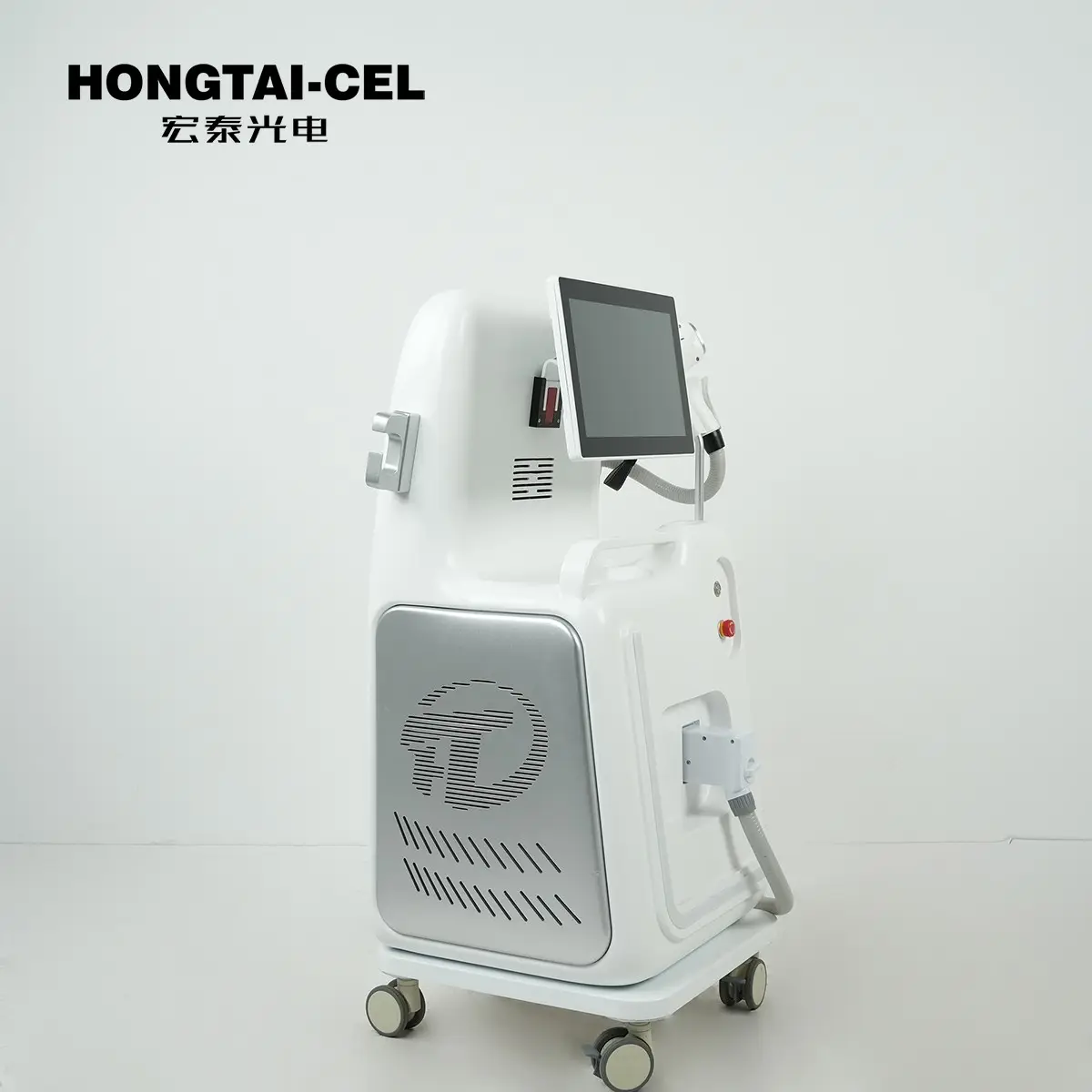
Түсіну диодты лазерлік эпиляция және түктің алынуы әртүрлі тері түрлері үшін ең тиімді жұмыс істейтін жүйе — қауіпсіз және тиімді нәтижелерге қол жеткізу үшін маңызды. Таңдау процесі лазерлік толқын ұзындығын, энергия параметрлерін және тері пигментациясының сипаттамаларын мұқият ескеруді қажет етеді, сондықтан ең жақсы емдеу нәтижелерін қамтамасыз ету үшін және кері әсерлердің қаупін азайту үшін.
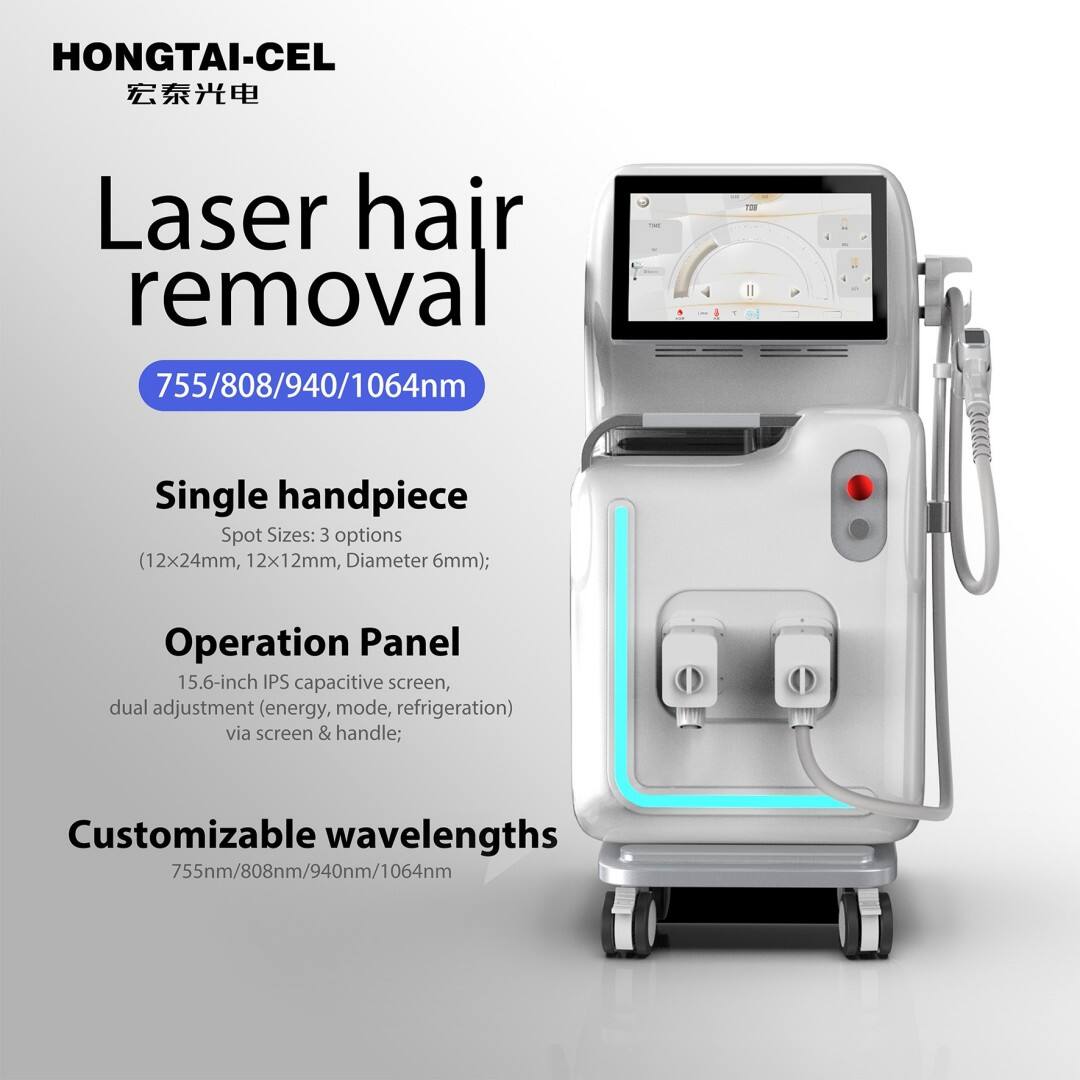
Диодты лазерлік эпиляциялық түкті алу технологиясы мен әртүрлі тері түрлерінің үйлесімділігі селективті фототермолиз және меланинның сіңіру үлгілерінің негізгі принциптеріне байланысты. Терінің әртүрлі фототиптері түкті азайтуға жету үшін және емдеу процесі бойынша терінің қауіпсіздігін сақтау үшін нақты лазерлік параметрлер мен емдеу протоколдарын қажет етеді.
Тері типінің классификациясы және лазермен үйлесімділік
Емдеу жоспарын құру үшін Фицпатрик шкаласы бойынша бағалау
Фицпатрик тері типі шкаласы диодты лазерлік эпиляциялық түкті алу параметрлерін анықтау үшін негізгі негіз болып табылады. I және II тері типтері — бұлар қоңырлауға өте аз ұшырайтын, жеңіл күйген терілер, олар әдетте жоғары энергия тығыздығын қолданатын стандартты диодты лазерлік эпиляциялық түкті алу протоколдарына өте жақсы жауап береді.
Тері типтері III және IV әртүрлі күнге қарағанда қоюлану қабілеті бар орташа тонды теріні білдіреді және гиперпигментацияны болдырмау үшін дәл есептелген диодты лазерлік эпиляциялық шашты алып тастау параметрлерін қажет етеді. Бұл тері типтері гиперпигментацияны болдырмау үшін реттелген энергия деңгейлері мен ұзартылған емдеу аралықтарынан пайда болады, бірақ тиімді шашты азайту нәтижелерін сақтайды.
Тері типтері V және VI эпидермистегі меланин мөлшерінің көбеюіне байланысты диодты лазерлік эпиляциялық шашты алып тастау үшін ерекше қиындықтар туғызады. Бұл тері типтері қауіпсіз және тиімді емдеу нәтижелерін қамтамасыз ету үшін төменгі энергия тығыздығы, ұзақ импульс ұзақтығы және жақсартылған салқындату механизмдері бар арнайы протоколдарды қажет етеді.
Емдеу таңдауына әсер ететін меланиннің таралуы
Меланиннің әртүрлі тері түрлеріндегі таралуы мен концентрациясы диодты лазерлік эпиляциялық түкті алып тастау жүйелерін таңдауға тікелей әсер етеді. Эпидермистегі меланиннің минималды деңгейіне ие жарық тері түрлерінде лазерлік энергия негізінен талшықтық меланинге бағытталғандықтан, тері пигментациясымен қатарлық жасамай-ақ агрессивті емдеу параметрлерін қолдануға болады.
Орташа тері тондарында эпидермистегі орташа деңгейдегі меланин ескерілетін және бір уақытта түктің фолликулдарына жеткілікті энергия беретін диодты лазерлік эпиляциялық түкті алып тастау тәсілдері қажет. Емдеу терезесі тараяды, сондықтан қауіпсіздікті және тиімділікті сақтау үшін параметрлерді дәл таңдау қажет.
Қараңғы тері түрлерінде эпидермистің қызуын азайтуға және фолликулдарға тиімді әсер етуге бағытталған аса мамандандырылған диодты лазерлік эпиляциялық түкті алып тастау протоколдары қажет. Бұл негізінен ұзын толқын ұзындығын, кеңейтілген импульс ұзақтығын және нәтижелі нәтижелерге қол жеткізу үшін жетілдірілген салқындату технологияларын қолдануды қамтиды.
Әртүрлі тері түрлері үшін толқын ұзындығын таңдау критерийлері
755 нм александрит лазерын қолдану аясы
Диодты лазерлік эпиляциялық түкті алу жүйелерінде 755 нм толқын ұзындығы меланинды өте жақсы сіңіреді және I–III дәрежелі жарық тері түрлері үшін ең қолайлы болып табылады. Бұл толқын ұзындығы жарықтан орташа дейінгі тері тондарында түктің фолликулына дәл түсуін қамтамасыз етеді және эпидермисті қорғау үшін қабылданған қауіпсіздік шектерін сақтайды.
Жіңішке дене түктілігінен орташаға дейінгі түктілік пен жарық тері түсі бар адамдар 755 нм диодты лазерлік эпиляциялық түкті алу технологиясымен ең жақсы нәтижеге қол жеткізеді. Қысқа толқын ұзындығы түктің фолликулындағы меланинге энергияны тиімді сіңіруге қолайлы, сонымен қатар шашырау әсерін азайтып, емдеу әсерін жинақтап ұстайды.
Дегенмен, IV және одан жоғары тері түрлері әдетте диодты лазерлік эпиляциялық түкті алып тастау процедуралары үшін қауіпсіз альтернативті толқын ұзындықтарын талап етеді. Эпидермистің қызуының арту қаупі мен потенциалды гиперпигментация 755 нм толқын ұзындығын арнайы протоколдарсыз қараңғырақ тері тондары үшін аз қолайлы етеді.
808 нм Диодты Лазердің Көптеген Қолданыс Мүмкіндіктері
808 нм толқын ұзындығы — тері түрлерінің кең спектрі бойынша диодты лазерлік эпиляциялық түкті алып тастау үшін алтын стандарт болып табылады, себебі ол тереңдікке жету мен меланинге сіңу сипаттамаларында теңдестірілген. Бұл толқын ұзындығы нақты пациенттің жеке сипаттамаларына дұрыс реттелген кезде II–V тері түрлері үшін өте жақсы емдеу көптеген қолданыс мүмкіндіктерін қамтамасыз етеді.
Орташа тері тондары 808 нм диодты лазерлік эпиляциялық түкті алып тастау жүйелерінен ерекше пайда көреді, себебі бұл толқын ұзындығы фолликулдарды мақсатты түрде әсер етуге жеткілікті болса да, эпидермистің қызуының қаупін азайтады. Сіңу мен тереңдікке жету арасындағы оптималды тепе-теңдік 808 нм толқын ұзындығын көптеген пациенттер тобы үшін өте тиімді етеді.
808 нм диодты лазерлік эпиляциялық түкті алып тастау технологиясының әртүрлілігі бір ғана емдеу платформасында әртүрлі тері түрлеріне сәйкес параметрлерді реттеуге мүмкіндік береді. Бұл көптеген әртүрлі тері сипаттамалары бар науқастарды қабылдайтын медициналық орындар үшін оның қолданылуын жеңілдетеді.
қараңғы тері түрлері үшін 1064 нм Nd:YAG лазері
1064 нм толқын ұзындығы диодты лазерлік эпиляциялық түкті алып тастауда V және VI тері түрлерінің қажеттіліктерін нақты қанағаттандырады. Бұл ұзын толқын тереңірек тінге проникацияланады және эпидермистегі меланинге қатысты сіңіру деңгейін төмендетеді, сондықтан көптеген пигменттенген тері үшін емдеу қауіпсіздігі жоғарылады.
Қараңғы тері тонды науқастар 1064 нм толқын ұзындығын қолдану арқылы сәтті түкті азайтуға қол жеткізеді. диодты лазерлік эпиляция және түктің алынуы қауіпсіздікті қамтамасыз етуге баса назар аударатын, бірақ клиникалық тиімділікті сақтайтын протоколдар. Кеңейтілген толқын ұзындығы эпидермистегі пигментация көбеюіне қарамастан, фолликулдарды тиімді түрде мақсаттауға мүмкіндік береді.
1064 нм толқын ұзындығын, сәйкес салқындату механизмдерін және импульс ұзақтығын таңдау арқылы бұрыннан қиын болып келген тері типтері үшін қауіпсіз диодты лазерлік эпиляциялық шаштарды алу процедураларын жүргізуге болады. Бұл жетістік тұрақты шаштарды азайту шешімін іздейтін әртүрлі науқастар популяциясы үшін емдеу қолжетімділігін қатты кеңейтті.
Тері типі бойынша параметрлерді оптимизациялау стратегиялары
Энергия тығыздығын реттеу
Әртүрлі тері типтері бойынша қауіпсіз және тиімді диодты лазерлік эпиляциялық шаштарды алу үшін оптималды энергия тығыздығын таңдау — негізгі принцип болып табылады. I және II типтегі ақ терілер әдетте 20–40 Дж/см² аралығындағы жоғары энергия тығыздығын қабылдайды, бұл процедураның ыңғайлылығын сақтай отырып, өте жақсы шаштарды азайту нәтижелерін қамтамасыз етеді.
Орташа түсті тері типтері III және IV диодты лазерлік эпиляциялық шаштарды алу емдік шаралары үшін әдетте 15–25 Дж/см² аралығындағы орташа энергия тығыздығы протоколдарын қажет етеді. Бұл төмендетілген энергиялық тәсіл эпидермистің артық қызуын болдырмауға көмектеседі, бірақ тұрақты шаштарды азайту нәтижелері үшін жеткілікті фолликулярлық зақымды қамтамасыз етеді.
Қараңғырақ тері типтері V және VI қауіпсіз диодты лазерлік эпиляциялық шаштарды алу қолданбалары үшін әдетте 10–20 Дж/см² аралығындағы сақтықты қамтитын энергия тығыздығы тәсілдерін қажет етеді. Бұл төмен энергия деңгейлері жылулық зақымдан қорғайды және дәйекті емдік аралықтар мен протоколдармен қосылған кезде клиникалық тұрғыдан маңызды шаштарды азайту нәтижелерін береді.
Импульс ұзақтығы және салқындату интеграциясы
Импульс ұзақтығын таңдау әртүрлі тері типтерінде диодты лазерлік эпиляциялық түкті алу әдісінің қауіпсіздігі мен тиімділігіне маңызды әсер етеді. Қысқа импульс ұзақтығы жарық тері типтері үшін жақсы жұмыс істейді, себебі жылдам энергия беру тіршілік ететін түктің түбірлерін тиімді түрде шарттайды, ал бұл мақсатты тіндерге артық жылу таратылуынсыз жүзеге асады.
Орташа тері тондары диодты лазерлік эпиляциялық түкті алып тастау протоколдарында орташа импульс ұзақтығын орнатуға пайдалы, бұл энергияны бақыланған түрде беруге мүмкіндік береді және жылу шашылуы үшін жеткілікті уақыт қамтамасыз етеді. Бұл тепе-теңдікке негізделген тәсіл емдеудің тиімділігін сақтай отырып, эпидермистің зақымдану қаупін азайтады.
Қараңғы тері түрлері диодты лазерлік эпиляциялық түкті алып тастау кезінде кеңейтілген импульс ұзақтығын және алдыңғы қадамдағы салқындату механизмдерін қажет етеді. Ұзақ импульстер түктің фолликулдарын бірте-бірте қыздыруға мүмкіндік береді, ал интеграцияланған салқындату жүйелері емдеу процесінің барлық кезеңінде эпидермисті жылулық зақымданудан қорғайды.
Емдеу протоколын жекелендіру
Сеанс аралығын жоспарлау
Терапиялық аралықты жоспарлау диодты лазерлік эпиляциялық түкті алып тастау процедуралары кезінде тері типінің сипаттамалары мен жазылу реакцияларын мұқият ескеруді талап етеді. Жарық тері типтері әдетте стандартты 4-6 апталық аралықтарды қолданады, бұл түктің циклының дұрыс өсуін қамтамасыз етіп, бір уақытта емдік нәтижелердің максималды болуы үшін емдік қозғалысты сақтайды.
Орташа тері типтері диодты лазерлік эпиляциялық түкті алып тастау сеанстары арасында 6-8 апталық сәл ұзартылған аралықтарды қолданғанда пайдалы болуы мүмкін, бұл кейінгі емдік эритеманың толық жойылуын қамтамасыз етеді және жинақталған жылулық әсерлерді болдырмауға көмектеседі. Бұл сақтық шарасы қауіпсіздікті сақтай отырып, емдік тиімділікті де сақтайды.
Қараңғы тері типтері диодты лазерлік эпиляциялық түкті алып тастау емдері арасында 8-10 апталық ұзартылған аралықтарды қажет етеді, бұл қабыну кейінгі гиперпигментация қаупін азайтады және сеанстар арасында терінің дұрыс жазылуын қамтамасыз етеді. Науқасты бақылау — жеке реакция үлгілеріне қарай аралықтарды реттеу үшін өте маңызды.
Алдын ала және кейінгі емдеу протоколдары
Диодты лазерлік эпиляциялық түкті алу процедуралары үшін алдын ала дайындық әртүрлі тері типтеріне байланысты әртүрлі болады. Жарық тері типтері әдетте стандартты күннен қорғану протоколдарын және қосымша сақтық шараларынсыз, тек қалыпты емдеу нұсқаулықтарына сәйкес негізгі тері дайындығын қажет етеді.
Орташа тері типтері диодты лазерлік эпиляциялық түкті алу сеансдарына дейін кеңейтілген күннен қорғану мерзімдері мен мүмкін болатын жергілікті дайындық режимдерін қамтитын жақсартылған алдын ала емдеу протоколдарынан пайдаға ие болады. Бұл қосымша сақтық шаралары емдеудің нәтижелерін оптималды деңгейге көтеруге және кері әсерлердің қаупін азайтуға көмектеседі.
Қараңғы тері типтері диодты лазерлік эпиляциялық түкті алу процедураларынан кейінгі емдеу кезіндегі қамқорлық туралы нақты пациентке түсіндірумен қатар, кеңейтілген күннен қорғану, теріні ақартатын заттармен жергілікті дайындық жасау сияқты толық алдын ала емдеу протоколдарын қажет етеді.
Қауіпсіздікке қатысты сұрақтар және қауіптерді басқару
Кері әсерлердің алдын алу
Диодты лазерлік эпиляция кезінде тері түріне байланысты қолайсыз реакцияларды болдырмау үшін терінің нақты түріне тән қауп-қатерлерді және оларды жоюға бағытталған сәйкес шараларды терең түсіну қажет. Жарық тері түрлері үшін дұрыс калибрленген жүйелермен емдеу кезінде қауп-қатерлер аз болады, бірақ артық емдеу нәтижесінде уақытша эритема немесе сирек кездесетін гипопигментация пайда болуы мүмкін.
Орташа тері түрлері диодты лазерлік эпиляция кезінде орташа деңгейдегі қауп-қатерлерге ие болады, негізгі қауп — қабынуға байланысты гиперпигментация. Дұрыс параметрлерді таңдау мен емдеуден кейінгі күтім протоколдары осы қауп-қатерлерді тиімді төмендетеді және емдеудің пайдасын сақтайды.
Қараңғы тері түрлері диодты лазерлік эпиляция кезінде жылулық зақымдану мен пигменттік өзгерістерге қатты ұшырайтындықтан, қауп-қатерлерді басқару бойынша күшейтілген протоколдарды қолдану қажет. Сақтық шараларын қолдану, сондай-ақ арнайы салқындату мен бақылау протоколдары қауіпсіз емдеу жеткізуді қамтамасыз етеді.
Бақылау және реакцияларды басқару
Диодты лазерлік эпиляциялық түкті алу процедуралары кезінде тиімді бақылау протоколдары терінің реакциясын нақты уақытта бағалауға және қажет болған жағдайда параметрлерді реттеуге мүмкіндік береді. Жарық тері типтері әдетте болжанатын реакциялар көрсетеді, сондықтан процедураның барлық сеанстары бойынша стандартты бақылау протоколдары қолданылады.
Орташа тері типтері диодты лазерлік эпиляциялық түкті алу процедуралары кезінде кеңейтілген бақылаудан пайда табады; осы кезде терінің дереу реакциясына назар аударылуы және процедуралар кезінде артық эритема немесе дискомфорт пайда болған жағдайда параметрлерді реттеу қажет.
Қараңғы тері типтері диодты лазерлік эпиляциялық түкті алу процедуралары бойынша интенсивті бақылауды талап етеді, соның ішінде процедуралардан кейінгі дереу бағалау мен кез-келген жағымсыз реакцияларды уақтылы анықтау және шешу үшін құрылымдалған бақылау протоколдары қамтылады.
Жиі қойылатын сұрақтар
Барлық тері типтері диодты лазерлік эпиляциялық түкті алу процедураларын қауіпсіз түрде ала ала ма?
Диодты лазерлік эпиляциялық түкті алу әдісін барлық тері түрлерінде жүргізуге болады, бірақ оның қауіпсіздігі мен тиімділігі тері пигментациясы мен лазерлік жүйенің сипаттамаларына қатты тәуелді. І-ІІІ дәрежелі жарық тері түрлері әдетте стандартты протоколдармен өте жақсы нәтижелерге қол жеткізеді, ал IV-VI дәрежелі қараңғы тері түрлері қауіпсіз емдеу үшін арнайы толқын ұзындықтарын, сақтық шараларын қамтитын параметрлерді және тәжірибелі мамандарды талап етеді.
Мен өзімнің тері түріме ең жақсы диодты лазер толқын ұзындығын қалай анықтай аламын?
Оптималды диодты лазерлік эпиляциялық түкті алу толқын ұзындығы Фицпатрик бойынша тері түріңіздің классификациясына байланысты. Ақшылдан орташа тері түрлері әдетте 755 нм немесе 808 нм толқын ұзындықтарынан пайда көреді, ал қараңғы тері түрлері қауіпсіз емдеу үшін 1064 нм толқын ұзындығын талап етеді. Тері түріңізді бағалау мен сынақ аймағын бағалау кіретін кәсіби кеңес сіздің жеке сипаттарыңызға ең қолайлы толқын ұзындығы мен параметрлерді анықтауға көмектеседі.
Жарық және қараңғы тері түрлері арасындағы негізгі емдеу протоколдарының айырмашылығы қандай?
Жарық тері түрлері диодты лазерлік эпиляциялық түкті алу процедуралары кезінде жоғары энергия тығыздығын, қысқа импульс ұзақтығын және стандартты емдеу аралықтарын көтере алады. Қараңғы тері түрлері керісінше, кем энергиялық параметрлерді, ұзақ импульс ұзақтығын, кеңейтілген салқындату мерзімдерін, сессиялар арасындағы ұзақ аралықтарды және емдеуден бұрын және кейінгі кешірілетін кеңістіктік бақылау протоколдарын талап етеді; бұл қолайсыз реакцияларды болдырмау үшін қажет және емдеудің тиімділігін сақтауға мүмкіндік береді.
Диодты лазерлік эпиляциялық түкті алу процедурасын мүлдем жасамауға тиісті тері түрлері бар ма?
Өте қараңғы тері типі VI-ге ие адамдар үшін диодты лазерлік эпиляциялық түкті алу әдісінің қауіпсіз нұсқалары шектеулі болуы мүмкін, сондықтан олар тек 1064 нм толқын ұзындығы бар мамандандырылған жабдықтар мен жетілдірілген салқындату жүйелерін қолданатын, өте тәжірибелі мамандардан ғана емдеу алғаны дұрыс. Активті тері аурулары, соңғы уақытта құндыздану немесе белгілі бір медициналық аурулары бар адамдар тері типіне қарамастан, аурулар толық түзетілгенше емдеуді ылғи кейінге қалдыруы керек.
Мазмұны
- Тері типінің классификациясы және лазермен үйлесімділік
- Әртүрлі тері түрлері үшін толқын ұзындығын таңдау критерийлері
- Тері типі бойынша параметрлерді оптимизациялау стратегиялары
- Емдеу протоколын жекелендіру
- Қауіпсіздікке қатысты сұрақтар және қауіптерді басқару
-
Жиі қойылатын сұрақтар
- Барлық тері типтері диодты лазерлік эпиляциялық түкті алу процедураларын қауіпсіз түрде ала ала ма?
- Мен өзімнің тері түріме ең жақсы диодты лазер толқын ұзындығын қалай анықтай аламын?
- Жарық және қараңғы тері түрлері арасындағы негізгі емдеу протоколдарының айырмашылығы қандай?
- Диодты лазерлік эпиляциялық түкті алу процедурасын мүлдем жасамауға тиісті тері түрлері бар ма?