
 EN


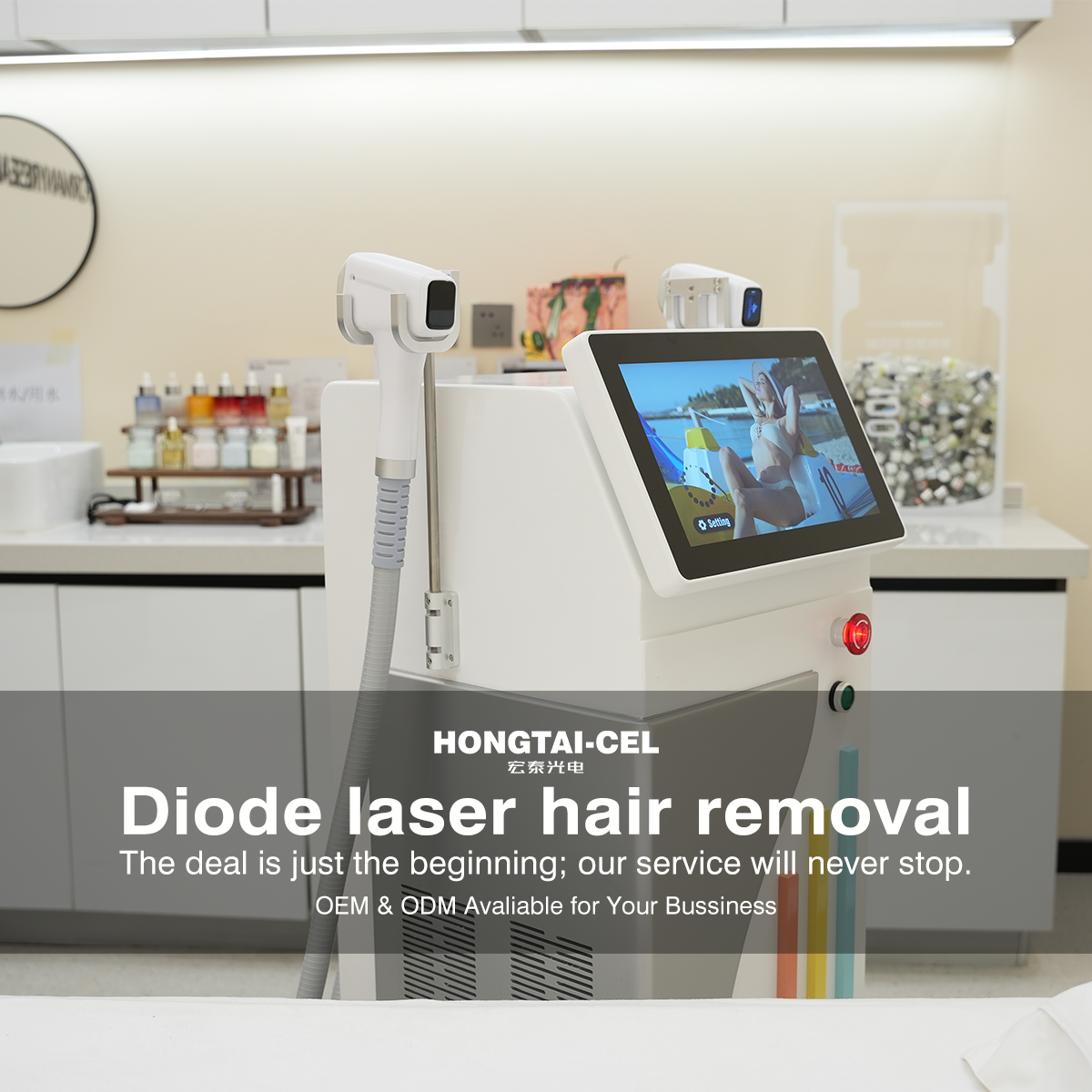
Selecting the right types of laser hair removal for your clinic is one of the most critical decisions you will make as a practice owner or aesthetic professional. The landscape of types of laser hair removal has evolved significantly over the past decade, offering clinicians multiple options to serve diverse patient needs and skin types. Understanding the distinct advantages and limitations of each types of laser hair removal technology will help you make an informed investment that maximizes both patient satisfaction and clinical outcomes.

The clinical efficacy of types of laser hair removal depends on several interconnected factors including wavelength, pulse duration, cooling mechanisms, and how well the technology matches your target demographic. Clinics operating in competitive markets cannot afford to stock outdated or poorly matched types of laser hair removal systems. This guide examines the primary types of laser hair removal available today, helping you evaluate which aligns best with your practice goals, patient population, and revenue objectives.
Diode Laser Hair Removal Systems
Why Diode Technology Dominates Professional Practice
Diode-based types of laser hair removal have become the most widely adopted technology in professional clinics worldwide. Operating at an 808-nanometer wavelength, diode systems deliver energy deep into the hair follicle while minimizing thermal damage to surrounding skin tissue. The types of laser hair removal using diode technology excel at treating darker skin tones compared to earlier generation systems, making them particularly valuable for practices serving ethnically diverse patient populations.
The practical advantages of diode types of laser hair removal extend beyond wavelength selection. Most modern diode systems incorporate advanced cooling technologies such as integrated contact cooling or air-cooling mechanisms that allow faster treatment cycles and improved patient comfort. These types of laser hair removal devices typically feature larger spot sizes, enabling clinicians to cover greater treatment areas in less time, which directly improves clinic throughput and revenue potential. The consistency and predictability of diode types of laser hair removal have made them the clinical standard across dermatology and aesthetic medicine.
Clinical Applications and Treatment Flexibility
Diode types of laser hair removal systems perform exceptionally well on coarse, dark terminal hair found on the legs, underarms, bikini area, and facial regions. The wavelength penetrates sufficiently to reach hair follicles at various depths while the pulse-width settings allow customization for different hair thickness and skin phototypes. Many clinics choose diode types of laser hair removal specifically because they achieve permanent hair reduction results with fewer treatment sessions compared to historical alternatives, reducing patient treatment time and appointment volume requirements.
Treatment planning with these types of laser hair removal requires understanding that multiple passes across the same area may be necessary for optimal results, particularly on coarser hair or darker skin tones. The reliability of diode types of laser hair removal results has generated strong patient loyalty, as individuals experience consistent hair reduction across sequential sessions. Modern diode types of laser hair removal machines now include customizable wavelengths in some models, with options ranging from 755 to 1064 nanometers, providing clinicians with flexibility to adapt treatment parameters to individual patient needs.
Alexandrite Laser Hair Removal Technology
Superior Performance on Lighter Skin Tones
Alexandrite represents a distinct category among types of laser hair removal, operating at a 755-nanometer wavelength that delivers excellent results particularly on lighter to medium skin tones. The types of laser hair removal using alexandrite technology penetrate effectively to target hair follicles while maintaining a favorable safety margin for epidermal structures. Clinics serving patient populations with Fitzpatrick skin types I through III often find alexandrite types of laser hair removal to be their preferred platform, as the wavelength offers rapid treatment cycles and minimal recovery downtime.
The types of laser hair removal based on alexandrite technology feature inherent advantages in speed and precision. Treatment areas clear quickly with visible hair shedding beginning within one to three weeks post-session. The wavelength selectivity of alexandrite types of laser hair removal means the technology generates fewer side effects such as post-inflammatory hyperpigmentation, which is especially important when treating darker skin tones within the appropriate Fitzpatrick range. Many established aesthetic practices maintain alexandrite types of laser hair removal systems specifically to serve their lighter-complexioned patient base efficiently.
Complementary Role in Multi-Technology Clinics
Some clinics strategically maintain both alexandrite and diode types of laser hair removal systems to maximize their ability to serve the full spectrum of skin types. This dual-technology approach to types of laser hair removal allows clinicians to select the optimal wavelength for each individual patient, improving treatment outcomes and patient satisfaction rates. While the capital investment in multiple types of laser hair removal platforms requires careful financial planning, the competitive advantage and revenue uplift from superior clinical results often justify the expenditure in competitive markets.
Alexandrite types of laser hair removal excel in addressing fine or light terminal hair that may respond less predictably to longer wavelengths. The versatility of maintaining multiple types of laser hair removal options within one clinic creates a patient experience advantage, as practitioners can customize treatment selection to achieve optimal results. This comprehensive approach to types of laser hair removal strengthens patient retention and enables clinics to expand their service offerings beyond basic hair removal into comprehensive aesthetic medicine.
Nd:YAG Laser Hair Removal for Specialized Applications
Deep Penetration for Challenging Cases
Nd:YAG represents the longest wavelength among primary types of laser hair removal technologies, operating at 1064 nanometers with penetration depth exceeding that of diode and alexandrite options. The types of laser hair removal utilizing Nd:YAG technology are particularly valuable for treating patients with darker skin tones, deeply embedded hair follicles, and body areas where standard types of laser hair removal have proven challenging. The extended wavelength of Nd:YAG types of laser hair removal reduces melanin absorption in the epidermis, thereby reducing the risk of burns and post-inflammatory hyperpigmentation.
Clinics that invest in Nd:YAG types of laser hair removal expand their capacity to treat underserved patient populations and address complex cases referred from other practices. The types of laser hair removal based on Nd:YAG technology require more precise technique and parameter adjustment compared to shorter-wavelength options, making it essential that clinical staff receive comprehensive training. However, the expanded patient accessibility that advanced types of laser hair removal like Nd:YAG provides often generates significant competitive differentiation and patient referral volume.
Specialized Treatment Protocols
Nd:YAG types of laser hair removal systems typically require longer pulse durations and carefully selected fluence levels to achieve safety and efficacy simultaneously. These types of laser hair removal devices often incorporate sophisticated cooling mechanisms since the deeper penetration and reduced epidermal absorption can still generate thermal effects at the skin surface. Training clinicians on proper parameter selection for Nd:YAG types of laser hair removal represents an investment that yields returns through improved patient outcomes and reduced adverse event rates.
The types of laser hair removal represented by Nd:YAG technology serve as the preferred choice when treating Asian, Hispanic, and deeply pigmented African skin types where shorter-wavelength types of laser hair removal carry higher risk profiles. Incorporating Nd:YAG types of laser hair removal into your clinic's technology portfolio positions your practice as a sophisticated, inclusive aesthetic provider capable of delivering safe and effective results across the entire diversity spectrum of patient presentations.
FAQ
Which types of laser hair removal work best for darker skin?
Nd:YAG and longer-wavelength diode types of laser hair removal systems are optimal for darker skin tones due to reduced epidermal melanin absorption. These types of laser hair removal minimize post-inflammatory hyperpigmentation risk while delivering effective hair follicle destruction. Proper technique and parameter adjustment are essential when using any types of laser hair removal on darker skin.
Are different types of laser hair removal equally effective?
Different types of laser hair removal excel in different clinical scenarios. Diode and alexandrite types of laser hair removal perform exceptionally well on lighter to medium skin tones with varying hair types, while Nd:YAG types of laser hair removal provide superior safety for darker skin. The most effective types of laser hair removal for your clinic depends on your patient population and treatment goals.
How many treatment sessions do types of laser hair removal require?
Most types of laser hair removal achieve significant hair reduction within 6 to 8 treatment sessions spaced 4 to 8 weeks apart, depending on hair growth cycles and types of laser hair removal technology selected. Individual variability means some patients require additional sessions. The types of laser hair removal you choose influences both the treatment timeline and the consistency of results across your patient population.