
 EN
EN


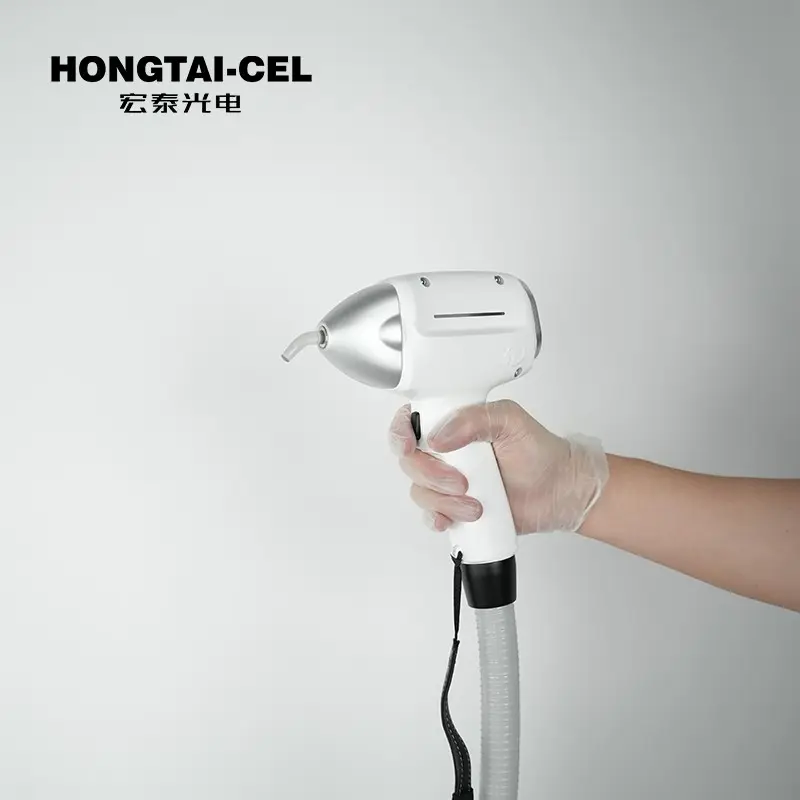
The financial viability of diode laser epilation systems represents one of the most significant investment decisions salon owners face today. With initial equipment costs ranging from tens of thousands to over a hundred thousand dollars, determining whether diode laser epilation offers genuine cost-effectiveness requires careful analysis of revenue potential, operational expenses, and long-term profitability metrics that extend far beyond the upfront purchase price.
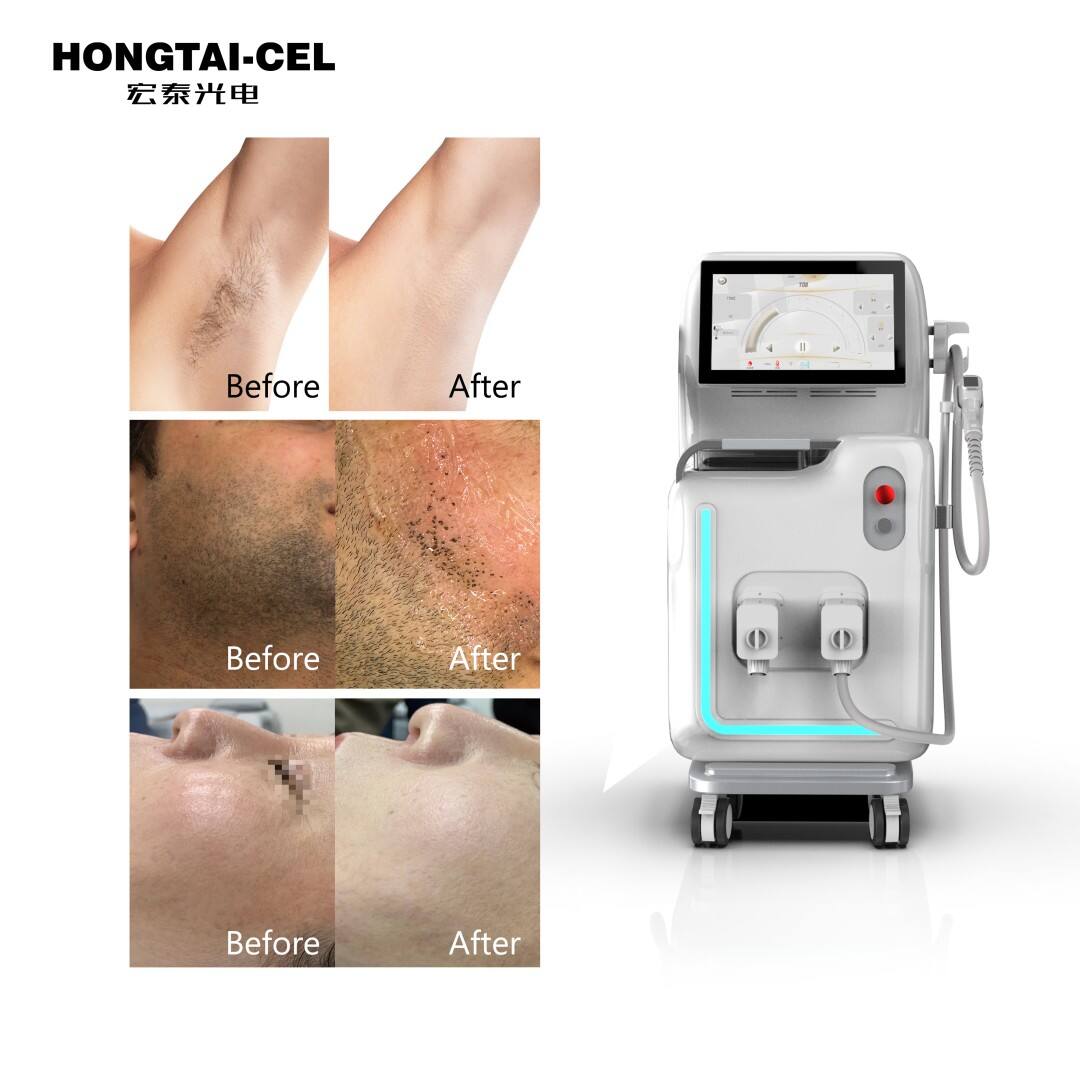
Modern salon economics demand sophisticated revenue diversification strategies, and diode laser epilation has emerged as a premium service category that commands higher prices while delivering consistent client retention rates. The cost-effectiveness equation for diode laser epilation involves multiple variables including treatment volume capacity, energy efficiency, maintenance requirements, staff training investments, and the ability to generate recurring revenue streams through multi-session treatment packages that characterize professional hair removal services.
Revenue Generation Potential of Diode Laser Epilation Systems
Premium Service Pricing Structure
Diode laser epilation enables salons to position themselves in the premium beauty services market, typically charging between $100 to $500 per treatment session depending on body area coverage and regional market conditions. Unlike traditional hair removal methods that generate one-time service revenue, diode laser epilation creates predictable income streams through treatment packages that typically require 6 to 12 sessions per client. This recurring revenue model significantly improves cash flow predictability and customer lifetime value calculations.
The premium pricing structure for diode laser epilation reflects both the technology investment required and the superior results clients achieve compared to conventional alternatives. Salons implementing diode laser epilation services often experience average revenue per client increases of 300 to 500 percent compared to traditional waxing or threading services. This dramatic revenue enhancement directly impacts the cost-effectiveness calculation by reducing payback periods and improving return on investment metrics.
Treatment Capacity and Throughput Efficiency
Modern diode laser epilation systems offer exceptional treatment efficiency, enabling skilled technicians to complete full-leg treatments in approximately 45 to 60 minutes. This operational efficiency allows salons to maximize appointment scheduling density while maintaining service quality standards. High-performance diode laser epilation equipment can facilitate 8 to 12 treatments per day, generating substantial daily revenue that accelerates equipment cost recovery.
The throughput capacity of diode laser epilation systems becomes particularly cost-effective when salons achieve consistent booking rates above 70 percent. At optimal utilization levels, quality diode laser epilation equipment can generate monthly revenues exceeding $15,000 to $25,000, creating compelling financial justification for the initial investment. Treatment speed advantages also enable salons to serve more clients within standard operating hours, improving overall business productivity.
Operational Cost Analysis for Diode Laser Epilation
Energy Consumption and Utility Expenses
Advanced diode laser epilation systems demonstrate superior energy efficiency compared to older laser technologies, typically consuming 2,000 to 3,000 watts during active treatment periods. Modern energy management features including standby modes and optimized cooling systems help minimize electricity costs while maintaining consistent performance levels. Monthly utility expenses for diode laser epilation equipment typically range from $150 to $300 depending on treatment volume and local electricity rates.
Energy efficiency improvements in contemporary diode laser epilation systems contribute significantly to long-term cost-effectiveness by reducing operational overhead. Smart power management capabilities automatically adjust energy consumption based on treatment requirements, optimizing performance while controlling utility expenses. These efficiency features become increasingly valuable as treatment volumes grow and energy costs represent a larger portion of operational budgets.
Maintenance and Service Requirements
Professional diode laser epilation systems require structured maintenance programs to ensure consistent performance and extend equipment lifespan. Routine maintenance typically includes cooling system servicing, optical component cleaning, and calibration verification performed quarterly or semi-annually. Annual maintenance costs for quality diode laser epilation equipment generally range from $2,000 to $5,000, representing a manageable operational expense when compared to revenue generation potential.
Preventive maintenance strategies for diode laser epilation systems significantly reduce unexpected repair costs and treatment downtime that could impact salon profitability. Comprehensive service agreements often include priority technical support, replacement parts coverage, and performance optimization services that protect the investment value. Well-maintained diode laser epilation equipment typically operates reliably for 8 to 12 years, providing excellent long-term cost amortization.
Client Retention and Business Growth Impact
Treatment Package Revenue Stability
Diode laser epilation creates inherent client retention advantages through multi-session treatment requirements that generate committed revenue streams spanning 12 to 18 months per client. Treatment packages typically require upfront payment or financing arrangements that improve cash flow while ensuring client completion rates. This revenue stability enables salons to better predict income and plan business expansion investments.
The subscription-like revenue model created by diode laser epilation packages provides financial stability that traditional one-time services cannot match. Clients investing in comprehensive treatment packages demonstrate higher overall satisfaction rates and become advocates for additional salon services. This cross-selling opportunity amplifies the cost-effectiveness of diode laser epilation by increasing total customer value beyond the hair removal services alone.
Competitive Market Positioning
Salons offering professional diode laser epilation services differentiate themselves from competitors relying solely on temporary hair removal methods. This competitive advantage enables premium positioning and attracts quality-conscious clients willing to invest in long-term beauty solutions. Market differentiation through diode laser epilation often results in reduced price competition and improved profit margins across all salon services.
The reputation enhancement associated with offering advanced diode laser epilation technology creates marketing advantages that extend beyond the direct service revenue. Clients seeking cutting-edge beauty treatments often become loyal customers for multiple services, improving overall business profitability. Professional diode laser epilation capabilities also enable salons to attract high-value corporate partnerships and referral relationships with medical practices.
Return on Investment Timeline Analysis
Equipment Cost Amortization Strategies
Typical diode laser epilation equipment investments range from $40,000 to $120,000 depending on system capabilities and manufacturer specifications. Conservative financial projections based on 60 percent utilization rates suggest payback periods of 18 to 36 months for quality diode laser epilation systems. Aggressive marketing and optimal scheduling can accelerate payback timelines to 12 to 24 months in favorable market conditions.
Strategic financing options for diode laser epilation equipment can improve cash flow management while enabling immediate revenue generation. Equipment leasing arrangements typically require lower upfront investments and provide tax advantages that improve overall cost-effectiveness calculations. Successful salons often reinvest diode laser epilation profits into additional equipment or facility expansion, creating sustainable growth cycles.
Long-Term Profitability Projections
Five-year financial projections for diode laser epilation services typically demonstrate cumulative profits exceeding initial equipment investments by 300 to 500 percent. These projections assume consistent treatment demand, appropriate pricing strategies, and effective marketing execution. Long-term profitability becomes particularly attractive when salons achieve market leadership positions and maintain premium pricing power.
The cumulative financial benefits of diode laser epilation extend beyond direct service revenue to include enhanced salon valuation for potential sale transactions. Established diode laser epilation practices represent valuable business assets that improve overall enterprise worth. This asset appreciation provides additional return on investment that enhances the overall cost-effectiveness equation for salon owners considering long-term wealth building strategies.
FAQ
What is the typical payback period for diode laser epilation equipment in salon settings?
Most salon owners can expect to recover their diode laser epilation equipment investment within 18 to 36 months under normal operating conditions. Salons achieving higher utilization rates and premium pricing can accelerate payback periods to 12 to 24 months. The payback timeline depends on treatment volume, local market pricing, and operational efficiency factors that vary by location and business management practices.
How does diode laser epilation profitability compare to traditional hair removal services?
Diode laser epilation typically generates 3 to 5 times higher revenue per client compared to traditional waxing or threading services. While initial equipment investment is substantial, the recurring revenue from treatment packages and premium pricing creates superior long-term profitability. Traditional services require ongoing supply costs and generate lower margins, making diode laser epilation more cost-effective over time.
What ongoing costs should salons budget for diode laser epilation operations?
Ongoing operational costs for diode laser epilation include monthly utility expenses of $150 to $300, annual maintenance costs of $2,000 to $5,000, staff training investments, and consumable supplies. These operational expenses typically represent 15 to 25 percent of gross revenue, leaving substantial profit margins for equipment cost recovery and business growth investments.
Can smaller salons justify the investment in diode laser epilation technology?
Smaller salons can achieve cost-effectiveness with diode laser epilation by focusing on efficient scheduling, strategic marketing, and premium service positioning. Entry-level professional systems starting around $40,000 can generate positive returns when operated at 50 to 60 percent capacity. Success factors include thorough market analysis, appropriate financing, and commitment to professional training and service excellence standards.
Table of Contents
- Revenue Generation Potential of Diode Laser Epilation Systems
- Operational Cost Analysis for Diode Laser Epilation
- Client Retention and Business Growth Impact
- Return on Investment Timeline Analysis
-
FAQ
- What is the typical payback period for diode laser epilation equipment in salon settings?
- How does diode laser epilation profitability compare to traditional hair removal services?
- What ongoing costs should salons budget for diode laser epilation operations?
- Can smaller salons justify the investment in diode laser epilation technology?