
 EN
EN



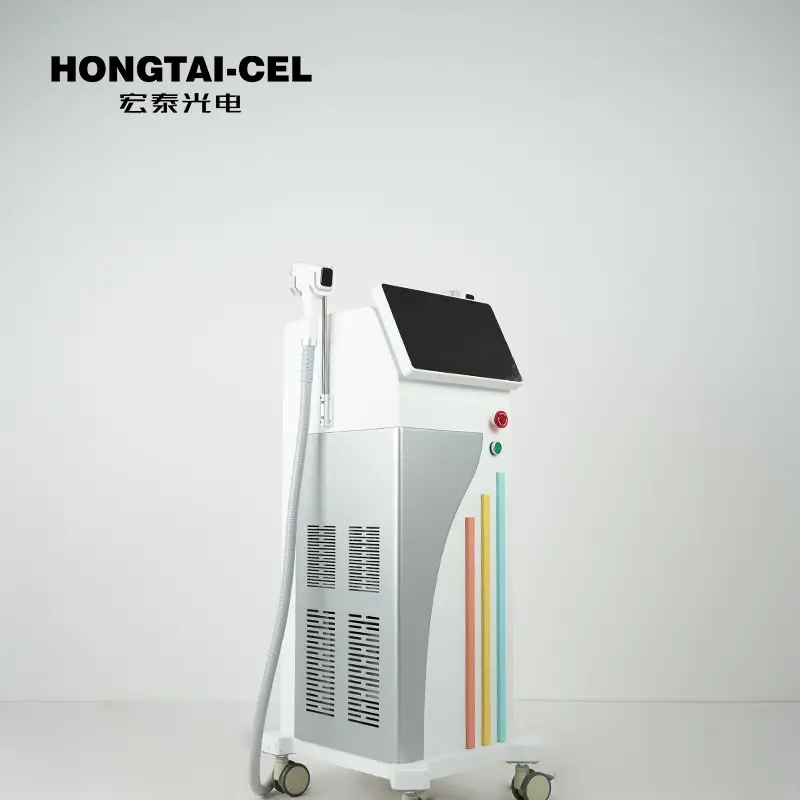
Selecting the right diode laser epilation hair removal system requires understanding multiple technical specifications, treatment capabilities, and business requirements that directly impact your clinic's success. The choice between different diode laser systems affects treatment efficacy, client satisfaction, operational costs, and long-term profitability, making this decision crucial for any aesthetic practice considering permanent hair reduction services.
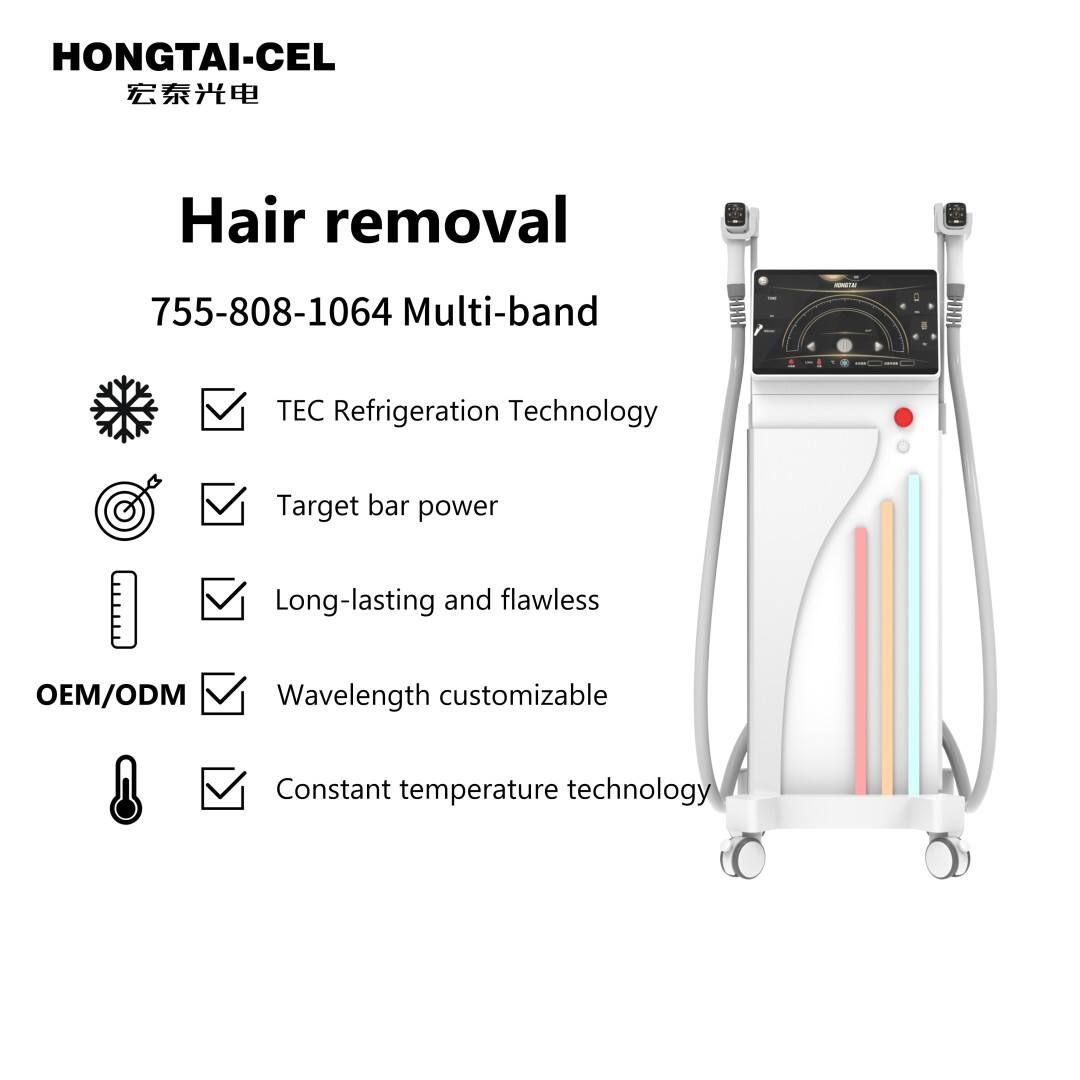
Modern diode laser epilation hair removal technology offers various configurations, wavelengths, and features that determine treatment versatility and effectiveness across different skin types and hair colors. Understanding how to evaluate laser specifications, cooling systems, spot sizes, and safety features enables practitioners to choose systems that align with their target clientele, treatment volume expectations, and specific clinical requirements for optimal patient outcomes.
Understanding Diode Laser Technology Fundamentals
Wavelength Selection and Hair Targeting Mechanism
Diode laser epilation hair removal systems typically operate at 808nm wavelength, which provides optimal melanin absorption in hair follicles while minimizing epidermal damage. This wavelength penetrates deeper into the dermis compared to other laser types, making it effective for treating coarse, dark hair in various body areas. The selective photothermolysis principle allows the laser energy to target melanin-rich hair follicles while preserving surrounding skin tissue through controlled thermal damage.
Some advanced diode laser epilation hair removal systems incorporate dual or triple wavelength technology, combining 755nm, 808nm, and 1064nm wavelengths to address different hair colors and skin types more effectively. The 755nm wavelength targets fine and light hair, while 1064nm wavelength safely treats darker skin tones with reduced risk of hyperpigmentation or thermal injury.
Understanding the physics behind diode laser epilation hair removal helps practitioners evaluate which wavelength configuration best serves their patient demographics. Systems with adjustable wavelength settings provide greater treatment flexibility but require higher initial investment and ongoing maintenance considerations.
Pulse Duration and Energy Delivery Control
Pulse duration parameters significantly influence treatment safety and efficacy in diode laser epilation hair removal applications. Longer pulse durations allow heat to distribute more evenly throughout the hair follicle while minimizing peak temperatures that could damage surrounding tissue. Most professional systems offer adjustable pulse widths ranging from 10ms to 400ms to accommodate different hair thicknesses and treatment areas.
Energy fluence settings determine the amount of laser energy delivered per square centimeter during each pulse. Effective diode laser epilation hair removal requires sufficient fluence to damage hair follicles while maintaining safety margins based on skin type, hair color, and treatment area sensitivity. Systems with precise fluence control enable practitioners to customize treatments for optimal results with minimal adverse effects.
Advanced diode laser epilation hair removal systems incorporate motion technology that allows continuous treatment movement across large body areas. This approach distributes energy more evenly, reduces treatment discomfort, and improves efficiency compared to traditional stamp-and-move techniques.
Cooling System Evaluation and Safety Features
Contact Cooling Technology Assessment
Effective cooling systems are essential for safe and comfortable diode laser epilation hair removal treatments. Contact cooling technology maintains optimal skin temperature before, during, and after laser pulse delivery to prevent thermal injury and reduce patient discomfort. Sapphire contact cooling tips provide consistent temperature control and enhance patient tolerance during extended treatment sessions.
Temperature monitoring capabilities in professional diode laser epilation hair removal systems ensure consistent cooling performance throughout treatment sessions. Systems with real-time temperature feedback adjust cooling intensity automatically based on skin response and ambient conditions, maintaining optimal treatment parameters for safety and efficacy.
Evaluating cooling system reliability includes assessing maintenance requirements, replacement part availability, and cooling capacity during high-volume treatment schedules. Robust cooling systems minimize downtime and ensure consistent treatment quality across multiple daily sessions.
Safety Protocols and Protective Features
Comprehensive safety features distinguish professional-grade diode laser epilation hair removal systems from basic devices. Skin type detection sensors automatically adjust treatment parameters based on patient skin tone, reducing the risk of complications in diverse patient populations. Emergency stop functions and fail-safe mechanisms protect against equipment malfunctions or operator errors.
Eye protection systems and safety interlocks prevent accidental laser exposure during diode laser epilation hair removal procedures. Some advanced systems include motion sensors that disable laser emission when the handpiece loses skin contact, ensuring precise energy delivery only when properly positioned.
Documentation and tracking capabilities help practices maintain treatment records and monitor patient progress throughout diode laser epilation hair removal treatment series. Electronic patient files enable practitioners to track parameters, responses, and adjustments for optimal individualized care.
Treatment Versatility and Clinical Applications
Spot Size Options and Coverage Efficiency
Spot size selection significantly impacts treatment efficiency and precision in diode laser epilation hair removal applications. Large spot sizes ranging from 12mm x 20mm to 15mm x 25mm enable rapid coverage of extensive body areas like legs, back, and chest, reducing overall treatment time and improving practice efficiency.
Smaller spot sizes provide enhanced precision for facial treatments, bikini lines, and other detailed areas requiring careful energy placement. Interchangeable handpiece systems allow practitioners to select optimal spot sizes based on treatment area requirements without compromising safety or effectiveness.
Evaluating spot size capabilities helps determine whether a diode laser epilation hair removal system can efficiently serve your practice's expected treatment mix. Systems offering multiple spot size options provide greater flexibility but may require higher initial investment and training requirements.
Skin Type Compatibility and Treatment Range
Fitzpatrick skin type compatibility determines the patient demographic range your diode laser epilation hair removal system can safely treat. Traditional 808nm diode lasers work effectively on skin types I-V, while newer wavelength combinations extend safe treatment to skin type VI with appropriate parameter adjustments.
Hair color responsiveness varies across different diode laser epilation hair removal technologies. Dark, coarse hair responds most effectively to standard wavelengths, while light brown and blonde hair may require specialized wavelength combinations or alternative treatment approaches for satisfactory results.
Treatment area versatility includes evaluating system performance on different body regions with varying hair density, skin sensitivity, and anatomical considerations. Professional diode laser epilation hair removal systems should demonstrate consistent results across facial, body, and intimate treatment areas.
Business and Operational Considerations
Treatment Throughput and Revenue Potential
Treatment speed directly impacts practice profitability and patient scheduling capacity with diode laser epilation hair removal services. High-repetition rate systems enable faster coverage of large treatment areas, increasing daily patient volume and revenue generation potential. Motion technology further enhances efficiency by reducing treatment times compared to traditional pulsed approaches.
Energy delivery consistency maintains treatment quality during high-volume sessions without performance degradation. Professional diode laser epilation hair removal systems should demonstrate stable output parameters throughout extended operating periods to ensure predictable treatment outcomes and patient satisfaction.
Calculating return on investment requires analyzing treatment pricing potential, patient demand, and operational costs including consumables, maintenance, and facility requirements. Higher-capacity diode laser epilation hair removal systems typically justify premium pricing through enhanced efficiency and treatment quality.
Maintenance Requirements and Long-term Costs
Maintenance scheduling and service requirements significantly impact the total cost of ownership for diode laser epilation hair removal equipment. Systems requiring frequent calibration, part replacement, or specialized service may increase operational costs and treatment downtime beyond initial purchase considerations.
Consumable costs including cooling tips, filters, and calibration targets should be evaluated as ongoing operational expenses. Some diode laser epilation hair removal systems utilize proprietary consumables that may limit supply sources and increase long-term costs compared to systems using standard components.
Warranty coverage and service support availability affects system reliability and practice continuity. Comprehensive service agreements and local technical support minimize downtime risks and ensure consistent diode laser epilation hair removal service availability for scheduled patients.
FAQ
What wavelength is most effective for diode laser epilation hair removal treatments?
The 808nm wavelength is most commonly used for diode laser epilation hair removal because it provides optimal melanin absorption in hair follicles while minimizing epidermal damage. Some advanced systems combine multiple wavelengths (755nm, 808nm, 1064nm) to treat different hair colors and skin types more effectively, with 755nm targeting fine hair and 1064nm safely treating darker skin tones.
How do I determine the right spot size for different treatment areas?
Larger spot sizes (12mm x 20mm to 15mm x 25mm) are ideal for extensive body areas like legs, back, and chest to maximize treatment efficiency and reduce session time. Smaller spot sizes provide better precision for facial treatments, bikini lines, and detailed areas requiring careful energy placement. Choose systems with interchangeable handpieces to accommodate diverse treatment requirements without compromising safety or effectiveness.
What safety features are essential in professional diode laser epilation hair removal systems?
Essential safety features include skin type detection sensors for automatic parameter adjustment, emergency stop functions, fail-safe mechanisms against equipment malfunctions, eye protection systems, safety interlocks preventing accidental exposure, and motion sensors that disable laser emission when handpiece loses skin contact. These features protect both patients and operators while ensuring precise energy delivery during treatments.
How does cooling technology affect treatment comfort and safety?
Advanced cooling systems maintain optimal skin temperature before, during, and after laser pulse delivery to prevent thermal injury and reduce patient discomfort. Sapphire contact cooling tips with real-time temperature monitoring provide consistent cooling performance and automatically adjust intensity based on skin response. Effective cooling systems enable practitioners to use higher energy settings safely while maximizing patient comfort during extended treatment sessions.
Table of Contents
- Understanding Diode Laser Technology Fundamentals
- Cooling System Evaluation and Safety Features
- Treatment Versatility and Clinical Applications
- Business and Operational Considerations
-
FAQ
- What wavelength is most effective for diode laser epilation hair removal treatments?
- How do I determine the right spot size for different treatment areas?
- What safety features are essential in professional diode laser epilation hair removal systems?
- How does cooling technology affect treatment comfort and safety?