
 EN
EN


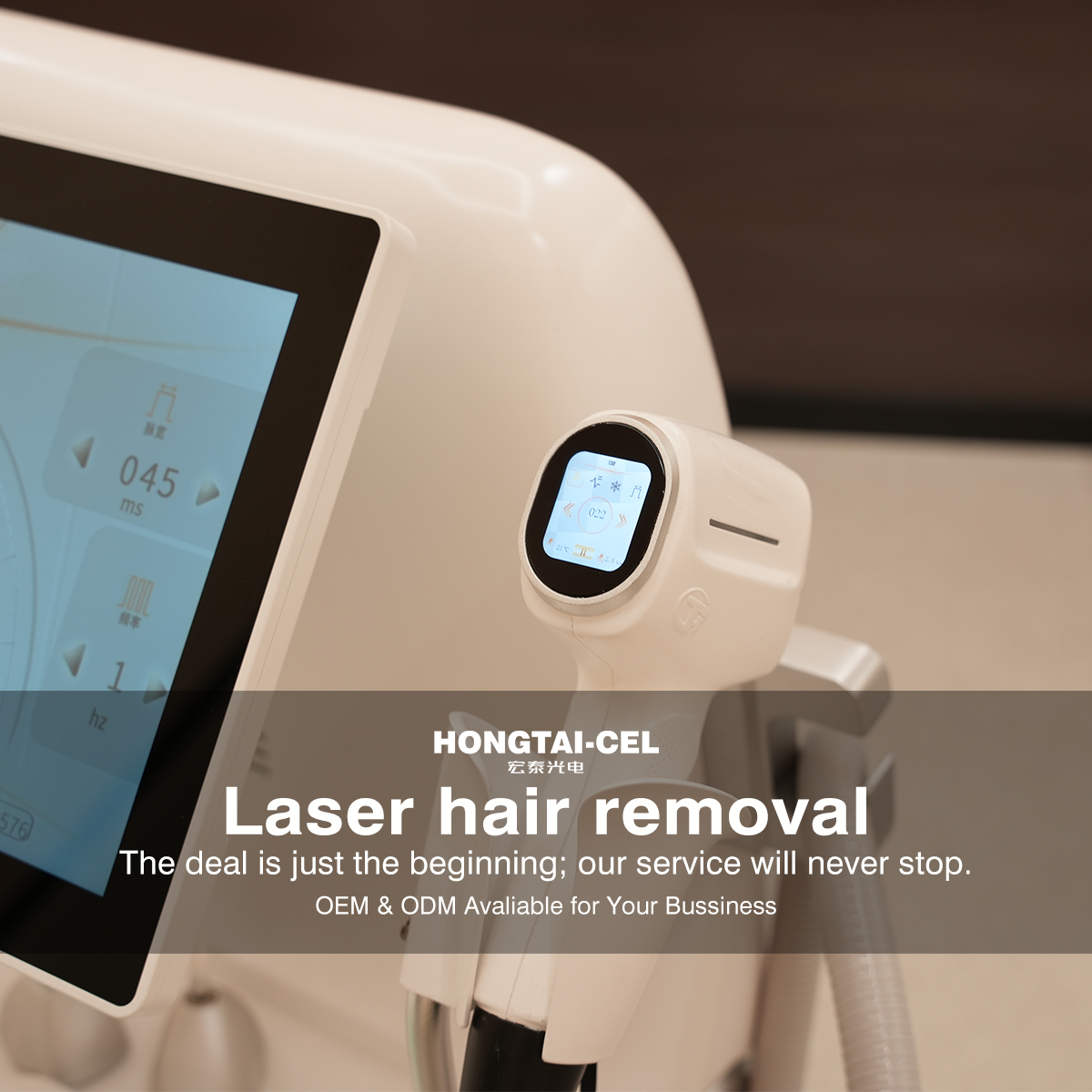
Eligere rectam ad depilandum per laser diodum machina pro variis cutibus unum est ex maximis iudiciis quae practici aesthetici et domini salorum facere debent. Difficultas in eo consistit, ut instrumentum inveniant quod tutum et efficax sit ad tractandos clientes per totum spectrum typorum cutis Fitzpatrick, a pallidissimis coloribus usque ad fusciorem cutem. Vera versatilis machina Diode Laser pro Epilationem debet coniungere plures longitudes undarum, systemata refrigerationis provecta, et facultates analysium cutis subtilissimas, ut effectus constantes praestet dum minuatur periculum complicationum, ut hyperpigmentatio aut ustiones.

Responsum ad quaestionem de machina diodica laseris pro epilatione quae omnibus typis cutis conveniat pendet a peculiaribus proprietatibus technologicis quae permittunt personalizationem tutam tractationis. Moderni systemata diodica multispectralia quae spectrums 755 nm, 808 nm et 1064 nm includunt solutionem maxime completam praebent, quoniam unumquodque spectrum diversa aspecta inter pilos et cutem spectat. Spectrum alexandriti 755 nm optime agit in typis cutis clarioribus cum pilis tenuibus; spectrum diodi 808 nm optimam aequilibrium praebet pro typis cutis mediis; spectrum Nd:YAG 1064 nm tuto tractat typus cutis fuscius profunde penetrando et absorptionem melanini in epidermide minuendo.
Selectio Spectri Critica pro Universalis Compatibilitatis Cutis
Intellectus Absorptionis Melanini et Parametrorum Tutelae
Principium fundamentale subiectorum pilorum tutae per omnes species cutis in cognitione coefficientium absorptionis melanini ad diversas longitudes undarum consistit. Machina diodica pro subiectoribus pilorum, quae ad usum universalem designata est, flexibilitatem longitudinis undarum praebere debet, ut contentum melanini in folliculis pilorum et in cute circumiacente congruat. Species cutis clarioris, quae magnam differentiam inter melaninum pilorum et cutis habent, optime ad breviores longitudes undarum, ut 755 nm, respondent, quae absorptionem fortem in melanino pilorum praebent dum calefactionem epidermidis minuunt.
Pro medium-tonis cutaneis, quae typice ad typum Fitzpatrick III et IV referuntur, longitudo undae 808 nm est norma aurea in machinis diodorum laser pro epilatione. Haec longitudo undae optima profunditas penetrationis praebet, simul cum sufficienti selectivitate inter melaninum folliculorum pilorum et melaninum epidermidis servata. Characteristica absorptionis aequilibrata permittit efficacem destructionem pilorum sine excesu damni thermalis in textu cutaneo circumiacente.
Typi cutanei fuscius longissimam longitudo undae optionem, 1064 nm, requirunt ut tutela et efficacia assecurarentur. Haec longitudo undae absorptionem melanini epidermidis minuit, dum tamen sufficientem transfusionem energiae ad folliculos pilorum retinet. Systema comprehensivum machinae diodorum laser pro epilatione, quod hanc longitudo undae includit, tuto tractare potest typus Fitzpatrick V et VI, qui antea difficiles aut inadmissibiles pro epilatione laser habebantur.
Beneficia Integrationis Multi-Wavelength
Systemata machinarum ad depilandum per diodum laserem progressa, quae simul plures longitudes undarum emittunt, praestant meliora effecita quam machinae unius longitudinis undarum. Combinatio longitudinum undarum 755 nm, 808 nm et 1064 nm in una sessione tractationis permittit practicis ut diversa pilorum genera, profunda et fases crescentiae intra unam regionem contrectent. Haec ratio efficaciam tractationis maximizat dum variationes naturales in characteristicis pilorum, quae etiam intra singulas regiones tractationis exstant, accommodat.
Ignitio successiva vel simulanea plurium longitudinum undarum etiam latiores limites tutelae praebet, quia energiam thermalem per diversas profunditates textuum et spectra absorptionis distribuit. Haec distributio energiae temperaturas culminis in quacumque singula stratum textus minuit, periculum laesionis thermalis minuens dum efficacia therapeutica manet. Talis subtilis administratio longitudinum undarum magnus progressus est in arte machinarum ad depilandum per diodum laserem.
Praeclara Technologia Frigefaciendi ad Tractationem Tutam
Requirimenta Systematis Frigefaciendi per Contactum
Efficiens protectio epidermidis durante operatione machinae diodicae ad depilandum capillos exigit systemata frigefaciendi subtilia quae possint temperaturam cutis intra limites tutos retinere per totum cyclum tractationis. Systemata frigefaciendi per contactum utentia sapphiron aut alia materia thermice conductiva praebent extractionem caloris e superficie cutis statim, permittentes densitates energiae altiores sine damno epidermidi. Systema frigefaciendi debet attingere temperaturas usque ad -10°C ut protecat idonee typos cutis fuscos.
Tempus et duratio refrigerationis respectu impulsum laseris administrati criticam habent vim in tutelam curae trans varias cutis species. Praerefrigeratio, refrigeratio parallela durante impulsum administratum, et phasēs postrefrigerationis accurate coordinandae sunt ut epidermis optime protegatur dum caloris follicularis conservatio adhuc assecuratur. Apparatus bene concinnatus pro depilatione per diodum laserem refrigerationem intelligibilem incorporat quae parametres refrigerationis adiustat secundum electionem parametrorum curae et analysim typi cutis.
Adaptatio Refrigerationis Dynamica
Moderni apparatus pro depilatione per diodum laserem systemata refrigerationis dynamicae praebent quae intensitatem et durationem refrigerationis automato adiustant secundum monitorationem realis temporis responsionis cutis. Haec adiuncta ratio optima tutela cuiusque individui typi cutis assecurat sine necessitate adiustamenti manualis inter curationes. Systema continuo temperaturam cutis observat et parametres refrigerationis automato modulat ut condiciones thermicae securae serventur.
Refrigeratio dynamica etiam permittit tractationem regionum sensibilium quae fortasse requirunt protectionem augendam, ut regiones faciales aut loca cutem naturaliter tenuiorem habentia. machina Diode Laser pro Epilationem facultas parametrorum refrigerationis ad diversas sedes anatomicas in eodem sessione adaptandorum magnus progressus est in flexibilitate et securitate tractationis.
Functiones Analysium Cutis et Adaptationis Tractationis
Detectio Integra Typi Cutis
Optima machina diodica ad depilandum omnium typorum cutem technologiam analysium cutis automatam includit quae obiective determinat typum Fitzpatrick cutis et parametra tractationis idonea suggerit. Haec technologia saepissime analysis spectroscopica vel imaginum provectarum utitur ad melaninum in area tractanda metiendum et distribuendum. Talis aestimatio obiectiva coniecturas excludit et possibilitatem erroris practici in electione parametrorum minuit.
Systemata analysium cutis provecta etiam characteristicas capillorum, ut colorem, crassitudinem, et densitatem, aestimant, ut rationes tractationum optime adhibeantur. Machina diodica ad depilationem capillorum hanc analysim universalem utitur, ut combinationes longitudo undae, densitates energiae, et durationes pulsuum aptas automatio seligat pro quaque combinatione cutis et capillorum. Haec adaptatio automata qualitatem tractationis constanter servat, quocumque practicionis peritia.
Monitoratio Tractationis in Tempore Reali
Capacitates monitorationis continuae durante operatione machinae diodicae ad depilationem capillorum praebent auxilium securitatis additum pro tractationibus omnium generum cutis. Monitoratio temperaturae cutis in tempore reali, mensura impedimentorum, et systemata optica feedback permittunt immutare tractationem statim, si parametri extra limites tutos devient. Haec systemata monitorationis signa prima reactionis adversae detegere possunt et tractationem automatio mutare aut sistere possunt, ut iniuria praeveniatur.
Data monitoria praebent etiam valorem feedback pro optimisatione et documentacione tractationis. Progressiva observatio responsionis cutis permittit practicis ad perfeccionandum protocolla tractationis pro singulis clientibus et ad aedificandum historias tractationum comprehensivas. Haec ratio data-driven operationis machinae diodicae ad depilandum capillos meliorat tam secutatem quam efficaciam.
Designum Ergonomicum et Considerationes Practicae
Versatilitas et Commoditas Handpiece
Machina diodica ad depilandum capillos, quae apta est omnibus typis cutis, requirit designa handpiece quae accommodent varias scenas tractationis dum tamen conservant commoditatem practici durante usu prolongato. Plures optiones magnitudinis loci permittunt tractationem efficacem tam magnorum regionum corporis quam regionum faciei exactarum. Constructio handpiece levis cum superficiebus ergonomicis ad tenendum minuit fatigationem operatoris et meliorat praecisionem tractationis.
Systema refrigerationis manubrii temperaturas operativas commodas servare debet, etiam dum sessiones usus continuus aguntur. Efficiens dissipatio caloris manubrium a nimia calefactione prohibet, quae consistentiam curae vel commodum operatoris minuere posset. Machinae ad depilandum per diodum laserem, quae arte elaboratae sunt, circuitus refrigerationis internos et exchangeos caloris includunt, ut optimus effectus manubrii per onerosa programmate curarum servetur.
Interfacies Usoris et Flexibilitas Programmationis
Interfacies usoribus perspicua medicos permittit ut cito ad parametra curae accedant et ea mutent pro diversis typis cutis, sine interruptione fluxus operis. Protocolla curae praeprogrammata pro variis combinationibus typorum cutis et pilorum initia praebent ad personalizationem, simul permittentes medicis peritis ut parametra secundum necessitates singulorum clientium subtiliter adaptent. Interfacies machinae ad depilandum per diodum laserem claram informationem visualem de omnibus parametris curae essentialibus praebere debet.
Praecepta programmationis adiecta permittunt practicos creare et servare protocollos curae ad personam pro populis clientium specificis aut praedilectionibus curandi. Haec flexibilitas permittit optimisationem rationum curandi ex experientia propria clinica et ex demographicis clientium. Logica parametrorum completa et observatio historiarum curarum subveniunt ad praescripta qualitatis et ad exigentias regulativas.
FAQ
Quae combinationes longitudinum undarum sunt necessariae in machina diodica laser pro depilatione capillorum ut omnes species cutis tractentur?
Optima machina diodica laser pro depilatione capillorum pro omnibus speciebus cutis tres longitudines undarum continere debet: 755 nm pro speciebus cutis levi cum pilis tenuibus, 808 nm pro speciebus cutis mediis, et 1064 nm pro speciebus cutis obscurioribus. Haec combinatio trium longitudinum undarum optima tutela et efficacia per totam scalae Fitzpatrick praebet, simul varia capillorum characteristica et profunda curarum accommodans.
Quomodo systemata refrigerationis in machinis diodorum laserum ad depilandum diversa genera cutis protegunt?
Praeclara systemata refrigerationis in machinis diodorum laserum ad depilandum omnia genera cutis protegunt per refrigerationem per contactum quae temperaturam usque ad -10°C attingere potest, iunctam cum adaptatione refrigerationis dynamica quae automaticē secundum reactionem cutis variatur. Systema refrigerationis praerefrigerationem, refrigerationem parallelam durante tractamento, et postrefrigerationem praebet ut temperātūrae epidermīs sēcūrae manēant dum calefactiō therapeutica folliculōrum pilōrum servātur.
Num una machina diodorum laserum ad depilandum tūtē tam cutem valdē pallidam quam valdē nigrām tractāre potest?
Ita, machinae modernae ad depilandum per diodum laser multi-longitudinis undae tuto tractare possunt totum spectrum a pelle valde clara ad valde fuscam, si recte sint configuratae cum optionibus convenientium longitudinum undarum, systematibus refrigerationis provectis, et facultatibus automaticae analysios cutis. Clavis est accessus ad longitudinem undae 1064nm pro tutela pellis fuscae, simul cum brevioribus longitudinibus undarum pro optima cura pellis clarae.
Quae praesidia tutelae praeponenda sunt, cum machina diodi laser ad depilandum seligitur pro cliens variis?
Praesidia tutelae necessaria includunt detectionem automaticam typi cutis, supervisionem temperaturae in tempore reali, adaptationem refrigerationis dynamicam, varias optiones longitudinum undarum, et integram notitiam parametrorum curae. Haec praesidia coniunctim operantur ut periculum minuatur in omnibus typis cutis, dum efficacia curae retinetur et documentatio praebetur pro certitudine qualitatis et ad observantiam regulamentorum.
Index Contentorum
- Selectio Spectri Critica pro Universalis Compatibilitatis Cutis
- Praeclara Technologia Frigefaciendi ad Tractationem Tutam
- Functiones Analysium Cutis et Adaptationis Tractationis
- Designum Ergonomicum et Considerationes Practicae
-
FAQ
- Quae combinationes longitudinum undarum sunt necessariae in machina diodica laser pro depilatione capillorum ut omnes species cutis tractentur?
- Quomodo systemata refrigerationis in machinis diodorum laserum ad depilandum diversa genera cutis protegunt?
- Num una machina diodorum laserum ad depilandum tūtē tam cutem valdē pallidam quam valdē nigrām tractāre potest?
- Quae praesidia tutelae praeponenda sunt, cum machina diodi laser ad depilandum seligitur pro cliens variis?