
 EN
EN


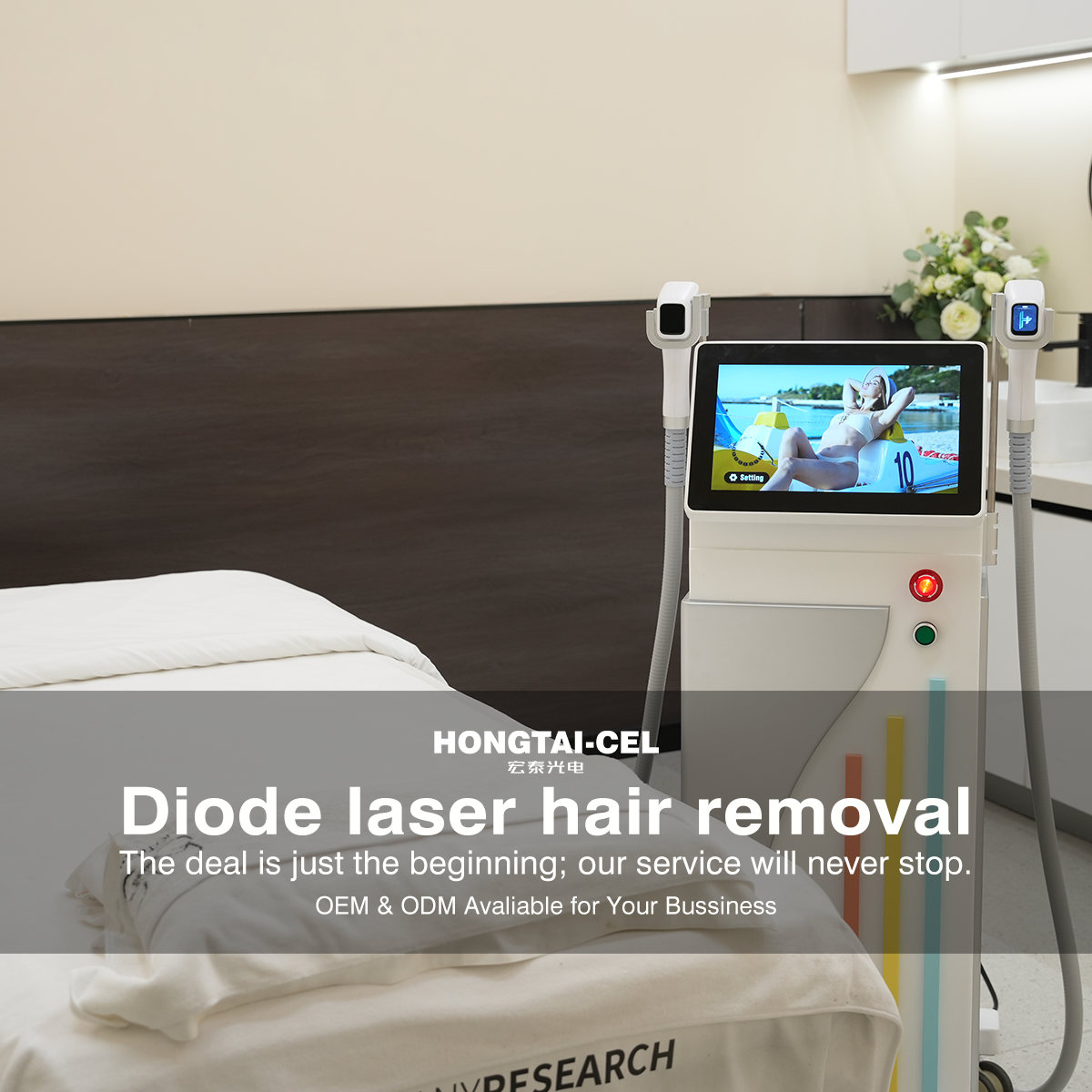
تعتمد فعالية علاج إزالة الشعر بالليزر إلى حدٍ كبير على فهم كيفية تفاعل أنواع تقنيات إزالة الشعر بالليزر المختلفة مع خصائص الشعر والبشرة المتنوعة. ويعمل كل نوع من أنواع الليزر عند أطوال موجية محددة ويستخدم آليات مختلفة تؤثر بشكل مباشر على نتائج العلاج، ما يجعل اختيار التكنولوجيا المناسبة أمراً حاسماً لتحقيق أفضل النتائج. ويُدرك أخصّاصو التجميل المحترفون وأطباء الجلدية أن مطابقة نظام الليزر المناسب مع احتياجات العميل الفردية يشكّل الأساس الذي تقوم عليه بروتوكولات إزالة الشعر الناجحة.

تتضمن العلاقة بين اختيار تكنولوجيا الليزر ونجاح العلاج تفاعلات معقدة بين عمق اختراق الطول الموجي، ومعدلات امتصاص الميلانين، وأنماط توزيع الطاقة الحرارية. وتُنتج أنواع مختلفة من أنظمة إزالة الشعر بالليزر درجات متفاوتة من الكفاءة في تدمير البصيلات، ومستويات الراحة أثناء العلاج، وعدد الجلسات المطلوبة، ما يحدد في النهاية سرعة نتائج تقليل الشعر ودوامها. ويُمكِّن فهم هذه الاختلافات التكنولوجية الممارسين من تخصيص أساليب العلاج بما يحقِّق أقصى فعالية ممكنة مع تقليل الآثار الجانبية إلى أدنى حدٍّ ممكن عبر شرائح العملاء المتنوعة.
خصائص الطول الموجي وتأثيرها المباشر على النتائج
مواصفات أداء ليزر الألكسندريت
ليزر الألكسندرايت العامل عند طول موجي يبلغ 755 نانومتر يُعَدُّ أحد أكثر أنواع تقنيات إزالة الشعر بالليزر استخداماً، وخصوصاً فعّالٌ لدى الأشخاص ذوي البشرة الفاتحة والشعر الداكن. ويوفِّر الطول الموجي الأقصر لأنظمة الليزر المستندة إلى الألكسندرايت معدلات امتصاص استثنائية للميلانين، ما يسمح بنقلٍ سريعٍ للطاقة إلى بصيلات الشعر مع الحفاظ على أعماق اختراق نسبية ضحلة. وهذه الخاصية المتعلقة بالطول الموجي تجعل ليزر الألكسندرايت فعّالاً للغاية في علاج الشعر الناعم إلى المتوسط القوام في المناطق الوجهية ومناطق الجسم التي تتطلب دقةً عاليةً في الاستهداف.
تؤثر انتقائية الميلانين عند الطول الموجي 755 نانومتر مباشرةً على سرعة العلاج وعدد الجلسات المطلوبة، حيث يلاحظ العديد من العملاء خفضًا ملحوظًا في كثافة الشعر بعد ثلاث إلى خمس جلسات علاج. ومع ذلك، فإن قدرة أنظمة الليزر الألكسندرايت على استهداف الميلانين بفعاليةٍ عالية تزيد أيضًا من خطر حدوث فرط التصبغ لدى أنواع البشرة الداكنة، ما يحد من نطاق استخدامها مقارنةً بالبدائل ذات الأطوال الموجية الأطول. وعادةً ما تُظهر نتائج العلاج بالليزر الألكسندرايت تحسُّنًا مرئيًّا أسرع، لكنها تتطلب تقييمًا دقيقًا لدرجة لون البشرة لتفادي المضاعفات.
اختراق الليزر الثنائي وفعاليته
توفر أنظمة الليزر الثنائي العاملة عند الطول الموجي 808 نانومتر خصائص اختراق متوازنة تجعلها خيارات مرنة بين مختلف أنواع إزالة الشعر بالليزر التقنيات التي تُحقِّق نتائج فعَّالة عبر نطاق أوسع من درجات لون البشرة. وتتيح الطول الموجي المتوسط استهداف بصيلات الشعر بشكل أعمق مع الحفاظ على تمييز كافٍ للملانين لتفادي ارتفاع حرارة البشرة السطحية بشكل مفرط. ويترتب على هذا التوازن نتائج علاجية متسقة لدى الأشخاص ذوي درجات لون البشرة المتوسطة، الذين قد لا يكونون مرشَّحين مثاليين لأنظمة الأطوال الموجية الأقصر.
وتظهر النتائج العلاجية المحقَّقة باستخدام أنظمة الليزر الثنائي (الدايود) بطول موجي ٨٠٨ نانومتر انخفاضًا ثابتًا وتدرُّجيًّا في نمو الشعر بعد ست إلى ثماني جلسات، وتكمن فعاليتها الخاصة في إزالة أنواع الشعر الخشنة التي تظهر عادةً في مناطق الساقين والذراعين والجذع. كما أن قدرة أطوال موجات الليزر الثنائي على الاختراق العميق تُعدُّ مفيدةً جدًّا في استهداف البصيلات السميكة العميقة الجذور، والتي قد لا تصل إليها الأطوال الموجية الأقصر بكفاءة كافية. وتشير الدراسات السريرية إلى أن علاجات الليزر الثنائي تؤدي إلى خفض دائم في نمو الشعر بنسبة تتراوح بين ٨٥٪ و٩٥٪ عند اتباع بروتوكولات العلاج وفق الإرشادات الصحيحة.
ملف سلامة ونتائج ليزر النيوديميوم: يتربيوم-ألومينيوم-غارنيت (Nd:YAG)
تمثل أجهزة الليزر Nd:YAG التي تستخدم طول موجة 1064 نانومتر أطول طول موجي متاح بين الأنواع القياسية لأنظمة إزالة الشعر بالليزر، وتوفّر أعمق قدرة اختراق مع معدلات امتصاص أقل للميلانين. وتجعل هذه الخاصية في طول الموجة أنظمة Nd:YAG مناسبةً بشكل خاص لعلاج البشرة الداكنة، حيث قد تسبّب الأطوال الموجية الأقصر ضررًا حراريًّا للأنسجة المحيطة. وبما أن انتقائية الميلانين تكون أقل في هذه الحالة، فإنها تتطلب مستويات طاقة أعلى، وعادةً ما تؤدي إلى تقدّم مرئي أبطأ مقارنةً بالبدائل ذات الأطوال الموجية الأقصر.
غالبًا ما تتطلب نتائج العلاج باستخدام أنظمة النيوديميوم: يتربيوم-ألومينيوم-غرنات (Nd:YAG) ثمانية إلى اثني عشر جلسةً للوصول إلى مستويات مماثلة من تقليل الشعر، لكن ملف السلامة الخاص بها لتنوُّع أنواع البشرة يجعلها خياراتٍ ضرورية في المنشآت العلاجية الشاملة. وتكمن الفعالية الكبيرة لهذه الأنظمة في قدرتها على الاختراق العميق، وهي فعَّالةٌ بشكلٍ خاصٍ في علاج أنواع الشعر الخشنة والمقاومة التي قد لا تستجيب بشكلٍ كافٍ لخيارات الطول الموجي الأخرى. وعلى الرغم من أن التقدُّم في العلاج قد يكون أبطأ، فإن انخفاض خطر حدوث مضاعفات واتساع نطاق إمكانية الاستخدام عبر مختلف درجات لون البشرة يجعل أنظمة Nd:YAG مكوِّناتٍ قيمةً في النُّهُج العلاجية المتنوِّعة.
تأثير مدة النبضة وكمية الطاقة المُسلَّمة على نجاح العلاج
فوائد وقيود مدة النبضة القصيرة
تستخدم أنواع مختلفة من أنظمة إزالة الشعر بالليزر إعدادات متفاوتة لمدة النبضة، والتي تؤثِّر تأثيراً كبيراً على راحة الجلسة ونتائج الفعالية العلاجية. وتُوفِّر مدد النبض القصيرة، التي تتراوح عادةً بين ٣ و١٠ ملي ثانية، طرقات طاقة مركَّزة تؤدّي إلى تسخين سريع للجُريبات مع تقليل انتشار الحرارة إلى الأنسجة المحيطة قدر الإمكان. ويُعتبر هذا النهج فعّالاً بشكل خاص في حالة الشعر الناعم إلى المتوسط، حيث يُمكِن استهداف الطاقة بدقة لتدمير الجُريبات دون التسبُّب في إزعاجٍ مفرط.
غالبًا ما تُنتج أنظمة النبضات القصيرة، التي تُوصِل الطاقة بشكل مركّز، نتائج مرئية فورية، حيث يسقط الشعر المعالَج عادةً خلال أسبوعٍ إلى أسبوعين بعد جلسات العلاج. ومع ذلك، قد يؤدي إدخال الطاقة الشديدة إلى زيادة شعور المريض بعدم الراحة أثناء العلاج، وقد يتطلّب استخدام إعدادات طاقة أكثر اعتدالًا لدى الأشخاص ذوي الحساسية العالية. وعادةً ما تُظهر النتائج السريرية المحقَّقة باستخدام بروتوكولات النبض القصير انخفاضًا أسرع في كثافة الشعر في المراحل الأولى، لكنها قد تتطلّب جلسات إضافية للتعامل الفعّال مع البصيلات الموجودة في مراحل نمو مختلفة.
ديناميكية العلاج بنبضات طويلة المدة
تتميز بعض أنواع طرق إزالة الشعر بالليزر بإعدادات ممتدة لمدّة النبضة، التي تتراوح بين ٢٠ و١٠٠ ملي ثانية، وتهدف هذه الإعدادات إلى تحسين راحة المريض أثناء العلاج مع الحفاظ على فعالية استهداف الجريبات الشعرية. ويسمح تسليم الطاقة لفترة أطول بالتسخين التدريجي للهياكل الشعرية، مما يقلل من درجات الحرارة القصوى مع ضمان إحداث ضرر حراري كافٍ في خلايا الجريبات. وتبين أن هذه الطريقة مفيدةٌ بشكل خاصٍ في علاج المناطق الحساسة من الجسم أو لدى الأشخاص ذوي تحمل الألم المنخفض.
غالبًا ما تُظهر نتائج العلاج باستخدام أنظمة النبضات الطويلة أنماطًا تدريجية أكثر في تقليل الشعر، مع ملاحظة أفضل النتائج عادةً بعد ست إلى عشر جلسات علاج. وتؤدي طريقة إدخال الطاقة الألطف إلى تقليل الآثار الجانبية الفورية مثل الاحمرار والتورُّم، لكنها قد تتطلب جرعات إجمالية أعلى من الطاقة لتحقيق معدلات تدمير مماثلة لجريبات الشعر. وغالبًا ما تُظهر بروتوكولات النبض الطويل نتائج متفوِّقة في علاج أنواع الشعر الفاتح أو الدقيق التي قد لا تمتص كمية كافية من الطاقة من المدة القصيرة للنبض.
مزايا تقنية عرض النبض المتغير
تضم أنظمة إزالة الشعر بالليزر المتقدمة خصائص عرض عرض نبضي متغير تسمح للممارسين بتخصيص أنماط تسليم الطاقة وفقًا لخصائص الشعر والجلد الفردية. وتتيح هذه المرونة التكنولوجية تحسين معايير العلاج لمختلف مناطق الجسم ضمن جلسات علاج واحدة، مما يُحسّن الفعالية إلى أقصى حد مع الحفاظ على معايير السلامة. ويمكن لأنظمة النبض المتغيرة ضبط تسليم الطاقة ليتوافق مع أوقات الاسترخاء الحراري للجريبات، ما يحسّن دقة العلاج.
تُرْجِحُ قابلية التكيُّف لتكنولوجيا عرض النبضة المتغيِّر تحسُّن نتائج العلاج لدى مجموعات العملاء المتنوعة، حيث يُبلِّغ الممارسون عن معدلات رضا أعلى وانخفاض في عدد الجلسات المطلوبة. وغالبًا ما تظهر نتائج العلاج أنماطًا أكثر اتساقًا في تقليل الشعر عندما تتطابق معايير النبضة مع الخصائص المحددة للشعر، مما يؤدي إلى جداول زمنية أكثر قابلية للتنبؤ بها للعلاج. كما أن القدرة على تعديل تسليم الطاقة في الوقت الفعلي تسمح بتحسين العلاج أثناء تغير خصائص الشعر طوال سلسلة الجلسات.
دمج نظام التبريد وتحسين النتائج
أثر تكنولوجيا التبريد بالتماس
يؤثِّر دمج أنظمة التبريد داخل أنواع مختلفة من أجهزة إزالة الشعر بالليزر تأثيراً كبيراً على راحة المريض أثناء العلاج والنتائج السريرية، وذلك من خلال حماية الأنسجة البشرية بينما يسمح بتوصيل طاقة أعلى إلى الجُريبات المستهدفة. وتتيح أنظمة التبريد بالتماس، التي تحافظ على درجة حرارة سطح الجلد بين ٤ و١٠°م، للممارسين استخدام إعدادات طاقة أكثر عدوانية دون التسبب في ضرر حراري للأنسجة المحيطة. ويُترجم هذا القدرة التبريدية مباشرةً إلى تحسُّن في فعالية العلاج من خلال تعزيز اختراق الطاقة.
تُظهر نتائج العلاج باستخدام أنظمة التبريد المتكاملة التي تعمل بالاتصال المباشر تقدّمًا أسرع في تقليل نمو الشعر، وذلك بفضل القدرة على الحفاظ على كثافات طاقة أعلى طوال جلسات العلاج. كما يقلل التبريد المتسق لسطح الجلد من الاستجابات الالتهابية بعد العلاج، ما يؤدي إلى فترات تعافٍ أقصر ورضاً أكبر من قِبل العملاء. وتُشير الدراسات السريرية إلى أن دمج نظام التبريد بشكل سليم يمكن أن يزيد من مستويات الطاقة القابلة للتحقيق بنسبة ٢٠–٣٠٪ مقارنةً بالأنظمة غير المزودة بالتبريد، مما يؤثر مباشرةً على فعالية العلاج.
نظام التبريد بالهواء وأنظمة الكريوجين
تستخدم أنواع مختلفة من أنظمة إزالة الشعر بالليزر أساليب تبريد متنوعة، ومن بينها التبريد بالهواء المُجبر ونظم رش الكريوجين، وكلٌّ منها يقدِّم مزايا مميَّزة لتحسين العلاج. ويوفِّر التبريد بالهواء المُجبر خفضًا مستمرًّا في درجة حرارة السطح أثناء جلسات العلاج، ما يمكِّن من توصيل طاقة عالية باستمرار مع الحفاظ على حماية البشرة السطحية. أما أنظمة رش الكريوجين فتوفر قدرة دقيقة على التبريد المسبق، مما يهيِّئ أنسجة الجلد لامتصاص طاقة الليزر مع تقليل الإجهاد الحراري إلى أدنى حدٍّ ممكن.
يؤثر اختيار تقنية التبريد المناسبة بشكل مباشر على نتائج العلاج من خلال تأثيرها في المعايير الطاقية القابلة للتحقيق ومستويات راحة المريض. فغالبًا ما تتيح أنظمة التبريد بالهواء جلسات علاج أطول مع انخفاض مستوى الانزعاج، بينما توفر أنظمة التبريد بالكرايو حماية متفوقة أثناء إرسال النبضات عالية الطاقة. وعادةً ما تتحسَّن نتائج العلاج عندما تُطابَق أنظمة التبريد بدقة مع خصائص طول موجة الليزر ومستويات الحساسية الفردية للجلد، مما يخلق الظروف المثلى لاستهداف الجريبات.
صيانة نظام التبريد وأداؤه
تتطلب فعالية أنظمة التبريد المدمجة في أنواع مختلفة من معدات إزالة الشعر بالليزر صيانةً منتظمةً لضمان تحقيق أفضل نتائج علاجية وسلامة العملاء. ويمكن أن تؤثر تدهور أداء نظام التبريد تأثيراً كبيراً على فعالية العلاج من خلال الحد من المعايير الطاقية القابلة للتحقيق وزيادة مخاطر المضاعفات. ويضمن المعايرة المنتظمة والصيانة الدورية لمكونات التبريد التحكمَ المتسق في درجة الحرارة طوال بروتوكولات العلاج.
يمكن أن تتأثر نتائج العلاج تأثراً شديداً عندما تفشل أنظمة التبريد في الحفاظ على نطاقات درجات الحرارة المحددة، مما يؤدي إلى انخفاض القدرة على توصيل الطاقة وزيادة عدد جلسات العلاج المطلوبة. ويُمكّن التشغيل السليم لنظام التبريد الممارسين من الحفاظ على معايير العلاج المتسقة عبر الجلسات المتعددة، مما يضمن أنماطاً متوقعةً في تقليل نمو الشعر. وترتبط الاستثمارات في تكنولوجيا التبريد عالية الجودة وبروتوكولات الصيانة الدورية ارتباطاً مباشراً بتحسين معدلات نجاح العلاج والحد من تكرار الأحداث السلبية.
اعتبارات منطقة العلاج ومطابقة التكنولوجيا
متطلبات تكنولوجيا إزالة شعر الوجه
يتطلب اختيار أنواع مناسبة من أنظمة إزالة الشعر بالليزر لمنطقة الوجه مراعاةً دقيقةً لحساسية الجلد وخصائص الشعر ومتطلبات الدقة الفريدة لهذه المنطقة. ويتميز شعر الوجه عادةً بنعومته وتنوُّع أنماط نموه مقارنةً بشعر الجسم، ما يستدعي استخدام أنظمة ليزر تمتلك قدرةً فائقةً على التمييز بين الميلانين وتمكِّن من ضبط معايير الطاقة حسب الحاجة. كما أن القرب من الهياكل الحساسة مثل العينين والأغشية المخاطية يؤثر كذلك في معايير اختيار التكنولوجيا.
غالبًا ما تُظهر نتائج العلاج على مناطق الوجه تحسُّنًا مرئيًّا أسرع بسبب كثافة الشعر الأعلى ومراحل النمو النشطة، لكنها تتطلَّب أساليب أكثر تحفُّظًا في استخدام الطاقة لتفادي المضاعفات. وغالبًا ما توفر أنظمة الطول الموجي القصيرة دقةً فائقةً في علاجات الوجه، بينما تصبح أنظمة التبريد المدمجة ضروريةً للتحكم في الإحساس بعدم الراحة في المناطق الحساسة. وعادةً ما تُظهر النتائج السريرية خفضًا ملحوظًا في كثافة الشعر بعد أربع إلى ست جلسات علاج عند تطبيق التكنولوجيا المناسبة المُطابَقة للحالة.
كفاءة علاج المناطق الجسمية الكبيرة
تتفاوت مستويات الكفاءة بين أنواع أنظمة إزالة الشعر بالليزر المختلفة عند علاج المناطق الواسعة من الجسم مثل الساقين أو الظهر أو منطقة الصدر، حيث تصبح سرعة العلاج وثبات تسليم الطاقة العاملين الرئيسيين في هذه الحالة. وتؤثر قدرة النظام على استخدام بقعة ضوئية كبيرة ومعدلات تكرار النبضات السريعة تأثيراً كبيراً في مدة جلسة العلاج والاقتصاد الكلي للعلاج. وعادةً ما تتضمّن الأنظمة المصمَّمة لعلاج المناطق الواسعة ميزات مثل تقنية الاستشعار الحركي وملفات شعاعية متجانسة.
غالبًا ما تتطلب نتائج العلاج في المناطق الواسعة من الجسم ثمانية إلى عشر جلسات بسبب تباين كثافة الشعر وتوزُّع مراحل النمو المختلفة عبر مناطق العلاج. ويُمكِّن اختيار أنظمة ذات قدرة عالية ومزودة بقدرات تبريد فعَّالة الممارسين من الحفاظ على توصيل طاقةٍ متسقةٍ عبر مناطق العلاج الواسعة مع التحكم في مدة الجلسة. وعادةً ما تتحسَّن نتائج العلاج عندما توفر الأنظمة توزيعًا متجانسًا للطاقة وقدرةً متسقةً على تداخل البقع العلاجية عبر مناطق العلاج الواسعة.
بروتوكولات علاج المناطق الحساسة
يتطلب علاج المناطق الحساسة من الجسم، مثل منطقة البكيني والإبطين والمناطق الحميمة، أساليب متخصصة بين أنواع مختلفة من تقنيات إزالة الشعر بالليزر، وذلك لتحقيق توازنٍ بين الفعالية وراحة العميل ومتطلبات السلامة. وغالبًا ما تتميز هذه المناطق بزيادة في الحساسية تجاه التحفيز الحراري، مع احتوائها على أنواع شعر خشنة تتطلب طاقة كافية لاستهداف الجريبات بشكل فعّال. ولذلك يكتسب اختيار التقنية المناسبة أهميةً بالغةً لتحقيق نتائج مُرضية مع الحفاظ على تحمل العلاج.
تؤدي العلاجات في المناطق الحساسة غالبًا إلى نتائج ممتازة في تقليل الشعر، وذلك بسبب خصائص الشعر الخشن الذي يمتص طاقة الليزر بسهولة، لكنها تتطلب ضبطًا دقيقًا لمستوى الطاقة لتفادي الإحساس المفرط بالانزعاج. وغالبًا ما تُحقِّق الأنظمة المزودة بتبريد متفوق وقابلية ضبط عرض النبضة المتغير أفضل النتائج في علاج المناطق الحساسة. وتُشير الخبرة السريرية إلى أن نجاح العلاج في المناطق الحساسة يرتبط ارتباطًا وثيقًا بخبرة المعالج واختيار التكنولوجيا المناسبة وفقًا لخصائص العميل الفردية.
الأسئلة الشائعة
كيف تؤثر الطول الموجي المختلف لأنواع أجهزة إزالة الشعر بالليزر على سرعة العلاج؟
تؤثر الأطوال الموجية المختلفة مباشرةً على سرعة العلاج من خلال معدلات امتصاص الميلانين المتباينة والخصائص الاختراقية لها. وعادةً ما تحقق أنظمة الليزر ذات الطول الموجي القصير مثل نظام الياقوت ذي الطول الموجي ٧٥٥ نانومتر نتائج مرئية أسرع بسبب استهدافها العدائي للميلانين، حيث تظهر تحسّنًا ملحوظًا غالبًا بعد ٣–٥ جلسات. أما الأطوال الموجية الأطول مثل نظام الليزر Nd:YAG ذي الطول الموجي ١٠٦٤ نانومتر فهي تتطلب ٨–١٢ جلسة لتحقيق نتائج مماثلة، لكنها توفر علاجًا أكثر أمانًا للبشرة الداكنة. ويوفّر الطول الموجي لليزر الثنائي (الدايويد) البالغ ٨٠٨ نانومتر أداءً متوازنًا مع سرعات علاج معتدلة تتراوح بين ٦–٨ جلسات لتحقيق أفضل النتائج.
ما أنواع إزالة الشعر بالليزر الأنسب لأنواع البشرة المختلفة؟
تتفاوت درجة التوافق بين لون البشرة وأطوال الموجات الليزرية المختلفة بشكل كبير، حيث تكون الأطوال الموجية الأقصر أكثر ملاءمةً للبشرة الفاتحة، بينما تكون الأطوال الموجية الأطول أكثر أمانًا وفعاليةً للبشرة الداكنة. وتُعتبر أجهزة الليزر الألكسندريت (755 نانومتر) مثاليةً لعلاج أنواع البشرة حسب تصنيف فيتزباتريك I-III، في حين تُستخدم أجهزة ليزر النيوديميوم: ياج (1064 نانومتر) بأمانٍ على أنواع البشرة IV-VI. أما أجهزة ليزر الدايود (808 نانومتر) فتوفر مرونةً في العلاج عبر أنواع البشرة II-V، ما يجعلها خيارات شائعةً لدى مزودي الخدمة الذين يتعاملون مع شرائح متنوعة من العملاء. ويضمن التقييم الدقيق لنوع البشرة تحقيق أفضل النتائج مع تقليل مخاطر المضاعفات إلى أدنى حدٍّ ممكن.
هل تتطلب بعض أنواع إزالة الشعر بالليزر عدد جلسات علاج أكبر من غيرها؟
تتفاوت متطلبات الجلسات بشكل كبير بين تقنيات الليزر المختلفة نظراً لاختلاف خصائص تسليم الطاقة وخصائص الطول الموجي الخاصة بها. وعادةً ما تتطلب أنظمة الليزر الألكسندريت جلسات أقل عدداً (من ٤ إلى ٦ جلسات) بسبب استهدافها العدائي للميلانين، بينما قد تحتاج أنظمة الليزر الـNd:YAG إلى ٨–١٢ جلسة لتحقيق مستويات مماثلة من إزالة الشعر. كما تؤثر مساحة المنطقة المعالَجة وخصائص الشعر والاستجابات الفردية أيضاً في العدد الإجمالي للجلسات المطلوبة، مع الحاجة عادةً إلى جلسات صيانة دورية بغض النظر عن نوع الليزر المختار في البداية.
كيف تؤثر تقنية التبريد في أنظمة الليزر المختلفة على نتائج العلاج؟
يُحسِّن دمج نظام التبريد نتائج العلاج بشكلٍ ملحوظٍ من خلال تمكين تسليم طاقة أعلى مع حماية أنسجة البشرة من التلف الحراري. وتسمح الأنظمة المزودة بتبريد فعّال بزيادة شدة الطاقة بنسبة ٢٠–٣٠٪، ما يحسّن مباشرةً معدلات تدمير الجريبات ويقلل من إجمالي عدد جلسات العلاج المطلوبة. ولأنظمة التبريد بالاتصال المباشر، والتبريد بالهواء، وأنظمة الكريوجين مزايا مميزة كلٌّ منها، حيث يمكّن التبريد المناسب من تطبيق بروتوكولات علاجية أكثر قوةً مع الحفاظ على معايير السلامة وتحسين مستوى راحة العميل.